

Hyperbaric Oxygen Therapy Near You: Benefits for Wound Healing & Recovery
Bariatric Surgery in Riverside, CA: What You Should Know
Bariatric surgery in Riverside, CA, also called metabolic and weight-loss surgery, is designed to help people lose weight by changing how the digestive system works. Depending on the procedure, it may reduce stomach size, change how food moves through the intestines, or do both. For many adults living with obesity, it is considered after other approaches, such as diet and exercise, have not led to lasting results.
At Mission Surgical Clinic, bariatric surgery is presented as part of a broader surgical practice that serves Riverside and surrounding communities. The clinic emphasizes minimally invasive techniques, patient-focused care, and support from consultation through recovery.
Who May Be a Candidate for Bariatric Surgery?
Not everyone with excess weight is a candidate. In general, adults may be considered for bariatric surgery if they have a BMI of 40 or higher, a BMI of 35 or higher with obesity-related health problems such as type 2 diabetes, heart disease, or sleep apnea, or a BMI of 30 or higher with difficult-to-control type 2 diabetes. A surgeon will also review medical history, lifestyle factors, and overall health before recommending surgery.
Mission Surgical Clinic’s own bariatric page also notes that eligibility is typically based on BMI and obesity-related conditions, and that preparation often includes medical and psychological evaluation. That matters because good bariatric outcomes depend on more than the operation itself.
A quick reality check
Bariatric surgery is not a shortcut. It is a medical treatment for obesity, and it works best when patients are ready to follow a long-term plan that includes nutrition changes, movement, follow-up care, and regular communication with the care team.
Common Bariatric Surgery Options
The most common procedures in the United States are the gastric sleeve, gastric bypass, and the adjustable gastric band, with the duodenal switch used less often. The right option depends on your health needs, weight-loss goals, and surgeon guidance.
Mission Surgical Clinic discusses the same major options on its bariatric page, including gastric sleeve, gastric bypass, adjustable gastric band, and biliopancreatic diversion with duodenal switch.
Gastric sleeve
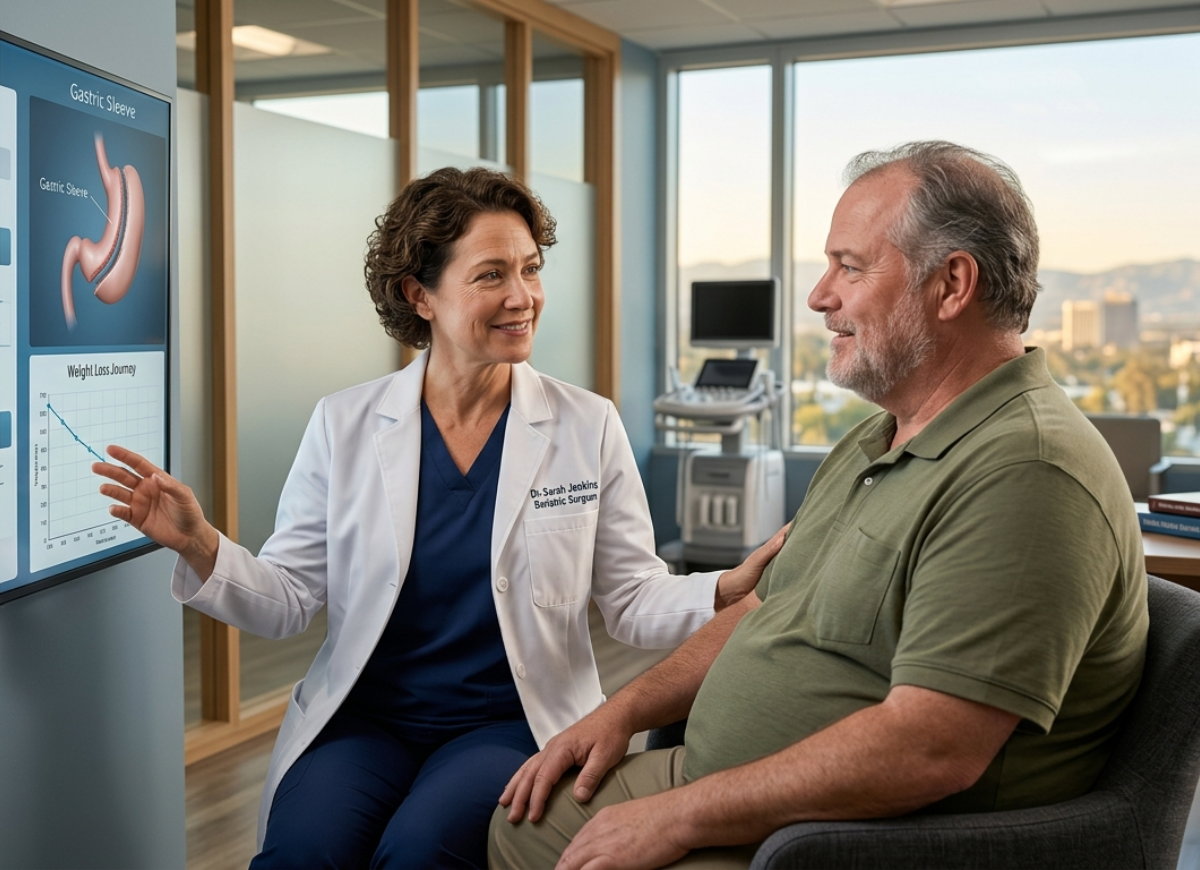
Gastric sleeve surgery removes a large portion of the stomach, leaving a smaller, tube-shaped stomach. It helps limit how much you can eat and may also affect hormones involved in appetite and metabolism. NIDDK notes that it is one of the most commonly performed bariatric procedures in the U.S.
Gastric bypass
Gastric bypass creates a small stomach pouch and reroutes part of the small intestine. This reduces food intake and changes how the body processes food. It is often used for people who need significant weight loss and metabolic improvement, though it is more complex than sleeve surgery.
Adjustable gastric band
This procedure places an inflatable band around the upper stomach to create a small pouch. It is now less commonly used in the U.S. because it tends to produce less weight loss and has more complication-related follow-up needs than sleeve or bypass surgery.
What Benefits Can Bariatric Surgery Offer?
The biggest benefit is often meaningful, sustained weight loss. But the impact can reach far beyond the scale. Bariatric surgery is associated with improvement in obesity-related conditions, including type 2 diabetes, heart disease risk, and sleep apnea. The American Society for Metabolic and Bariatric Surgery also reports major reductions in the risk of death related to heart disease, diabetes, and cancer after surgery.
Mission Surgical Clinic’s bariatric content also highlights long-term weight reduction, improved cardiovascular health, and potential improvement in quality of life after surgery. Those outcomes are best understood as part of a larger health journey, not a one-day fix.
Health and daily-life improvements may include
Better blood sugar control, especially for type 2 diabetes. Lower strain on the heart and joints. Easier movement and a more active routine. A more structured approach to long-term weight management.
What Risks and Recovery Realistically Look Like
Like all major surgery, bariatric procedures carry risks. Mission Surgical Clinic notes short-term risks such as infection, blood clots, and anesthesia reactions, along with longer-term concerns like nutritional deficiencies, gallstones, hernias, and low blood sugar. NIDDK also emphasizes that recovery and outcomes vary by procedure and patient.
Recovery is usually more than physical healing. Patients often need to adjust meal size, choose nutrient-dense foods, stay active, and attend follow-up visits. These habits are a core part of success after surgery, not an optional extra.
What preparation often includes
Mission Surgical Clinic says preparation may include: medical history review, physical examination, psychological evaluation, and diet and lifestyle changes before surgery. That kind of preparation helps the surgical team plan safely and helps patients build habits that support better long-term results.
Why Minimally Invasive Surgery Matters
Mission Surgical Clinic states that bariatric surgeries are typically performed using minimally invasive techniques, or laparoscopy. This approach is commonly used to reduce surgical disruption and support a smoother recovery when appropriate.
On the clinic’s main site, bariatric procedures are described as advanced surgeries performed with minimally invasive techniques to support safer weight loss, faster recovery, and improved long-term health.
For patients, that often means a more manageable post-op experience, but the exact recovery timeline still depends on the procedure and the individual.
What Makes Mission Surgical Clinic Relevant for Riverside Patients
Mission Surgical Clinic serves Riverside and nearby locations, including Corona, Barstow, Murrieta, Loma Linda, and Apple Valley. The clinic says its surgeons are committed to high-quality patient care and that the office staff is trained to assist patients through the surgical process.
The provider team includes board-certified and fellowship-trained surgeons, including Dr. Arash Rahimi for bariatric and general surgery. The clinic also highlights extensive experience in minimally invasive and robotic techniques across its surgical team.
That matters because bariatric surgery is a decision best made with an experienced surgical team that can evaluate your health, explain options clearly, and support follow-up care.
What to Expect When You Move Forward
The best first step is a consultation. During that visit, the surgeon can help determine whether you may qualify, which procedure may fit your needs, and what preparation will look like for you. NIDDK recommends discussing the type of surgery that may be best with your doctor because the right choice depends on several factors.
Mission Surgical Clinic also notes accepted insurances and advises patients to contact the office before visiting if they have coverage or payment questions. That makes early planning easier and helps avoid surprises.
Questions worth asking at your visit
Am I a candidate based on my BMI and health history? Which surgery best fits my goals and medical needs? What will recovery and follow-up care involve? What nutrition and lifestyle changes will I need after surgery?
Final Thoughts
For many people, bariatric surgery is not just about losing weight. It is about improving health, reducing risk, and creating a more sustainable path forward. In Riverside, Mission Surgical Clinic presents bariatric surgery as part of a patient-centered surgical approach that includes evaluation, minimally invasive techniques, and ongoing support.
If you are exploring bariatric surgery in Riverside, CA, the next helpful move is a professional consultation. A qualified surgeon can help you understand your options, your eligibility, and the kind of long-term commitment that gives surgery the best chance to work well.
Call Mission Surgical Clinic to learn more about your options and next steps.
Frequently Asked Questions
1. How do I know if I qualify for bariatric surgery in Riverside, CA?
You may qualify for bariatric surgery in Riverside, CA if you have a BMI of 40 or higher, or a BMI of 35 or higher with obesity-related conditions such as type 2 diabetes, high blood pressure, or sleep apnea. A consultation with a qualified bariatric surgeon is the best way to determine eligibility.
2. What is the most common bariatric surgery procedure?
The gastric sleeve is currently one of the most commonly performed bariatric procedures. It reduces stomach size, helps control portion intake, and can support significant long-term weight loss when paired with healthy lifestyle changes.
3. How much weight can I lose after bariatric surgery?
Weight loss results vary depending on the procedure, your starting weight, and your commitment to post-surgery lifestyle changes. Many patients experience significant weight reduction within the first 12 to 18 months after surgery.
4. Is bariatric surgery safe?
Bariatric surgery is generally considered safe when performed by experienced surgeons using modern minimally invasive techniques. Like any surgery, it carries risks, which is why a full medical evaluation and careful preparation are essential.
5. How long is the recovery after bariatric surgery?
Recovery depends on the procedure performed and your overall health. Many patients return to light daily activities within 1 to 2 weeks, while full recovery and adjustment to dietary changes may take several weeks to months.
Related posts


