

Non-Healing Wound Treatment: Advanced Therapies to Improve Recovery Faster
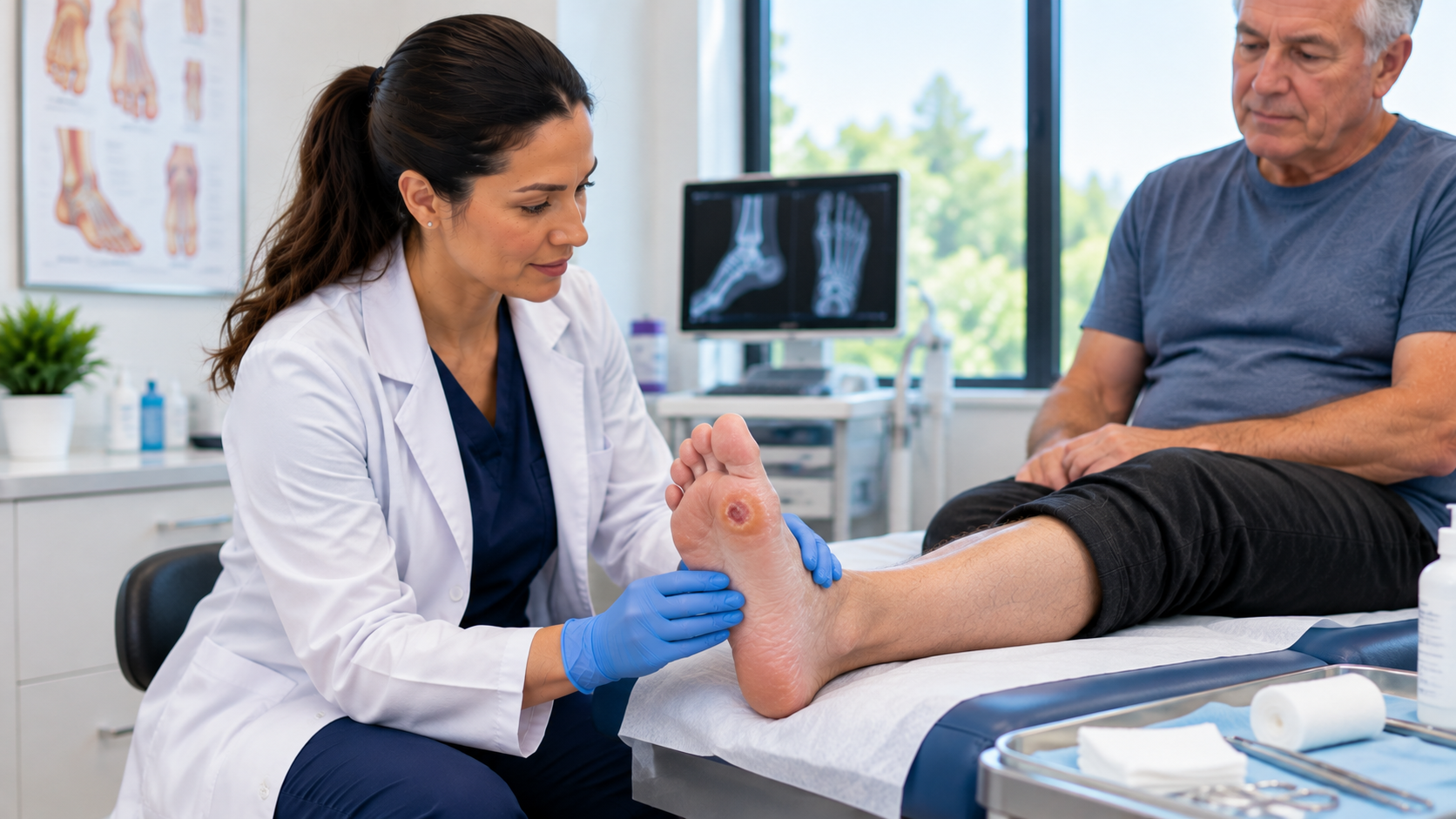
You didn’t feel the blister form. You didn’t feel the sock rubbing against your heel all day, or the small cut from stepping on something you never saw. That’s often how it starts with diabetic wounds. Not with pain, but with silence.
By the time you notice something is wrong, the wound might already be days old. Maybe it’s draining. Maybe the skin around it looks discolored. Maybe you’re only finding it now because you happened to check your feet, or because your sock had a spot of blood on it that shouldn’t be there.
If you live with diabetes, this scenario is more common than you might think, and it’s exactly why specialized care matters so much.
The truth is, diabetes changes the way your body handles wounds on almost every level. High blood sugar can damage the nerves in your feet, so you may not feel an injury happening. Diabetes can also contribute to poor circulation and impair aspects of the body’s immune response, which can make wounds harder to heal and infections more difficult to control.
The good news is that diabetic wound care has become highly specialized. Today’s treatments focus on healing the wound, protecting your foot structure, and, just as importantly, helping prevent the next wound from happening at all.
If you’ve been searching for diabetic wound care near me in Riverside, you’re taking a step that can genuinely protect your long term mobility and health. This guide covers why diabetic wounds behave differently, the warning signs to watch for, how they’re treated, and how to find the right specialized care near you.
Key Takeaways
Diabetic wound care is specialized treatment for wounds affected by diabetes-related nerve damage, poor circulation, and a weakened immune response.
Diabetic neuropathy often means wounds go unnoticed in their earliest, most treatable stage, which makes daily foot checks essential.
Diabetic foot ulcers usually develop on pressure points from unnoticed friction, poorly fitting shoes, or minor injuries.
Diabetes can increase the risk of wound infection and make infections more difficult to manage, so diabetic wounds generally need faster, more specialized attention than typical cuts or scrapes.
Treatment often combines debridement, infection management, offloading pressure, and blood sugar management, alongside vascular evaluation when circulation is a concern.
Healing outcomes vary based on factors such as wound depth, infection, circulation, pressure offloading, blood glucose control, and overall health, which is why consistent, coordinated care matters.
Why Diabetic Wounds Are Different
Diabetes affects the body in ways that make wound healing more complicated, and understanding why is the first step toward better care.
Nerve Damage (Diabetic Neuropathy)
High blood sugar over time can damage the small nerves in the feet and legs, reducing the ability to feel pain, heat, pressure, or friction. This means an injury that would normally cause someone to stop and take notice can go undetected until it’s already become a wound.
Reduced Circulation
People with diabetes have a higher risk of peripheral artery disease, which can reduce blood flow to the feet. Since healing depends on oxygen and nutrients carried through the bloodstream, reduced circulation can slow the repair process considerably.
A Weakened Immune Response
Elevated blood sugar can interfere with how immune cells travel to an injury and respond to bacteria once they get there. That’s part of why a wound that would be minor for someone without diabetes can progress to infection more easily, and why that infection can be harder to bring under control once it starts.
Changes in Foot Structure
Over time, diabetes can also affect the joints and bones in the feet, sometimes leading to changes in foot shape that create new pressure points where ulcers are more likely to form.
Common Types of Diabetic Wounds
Diabetic Foot Ulcers
A common diabetic wound, typically forming on the bottom of the foot, the heel, or under the toes, often in areas where pressure or friction builds without being felt.
Blisters and Friction Injuries
Ill fitting shoes or repeated rubbing can cause blisters that, in someone with reduced sensation, may go unnoticed and progress into open wounds.
Cuts, Punctures, and Minor Trauma
Small cuts, scrapes, or puncture wounds, sometimes from something as simple as stepping on an unnoticed object, can develop into more serious wounds when the body’s healing response is already compromised.
Burns
Reduced sensation can make it harder to notice heat exposure, whether from hot water, a heating pad, or hot pavement, which can lead to burns that go unnoticed until they’ve already caused damage.
Infected Diabetic Wounds
Any of the wound types above can progress to an infected wound, which needs prompt, targeted treatment to help prevent the infection from spreading to deeper tissue.
Calluses and areas of thickened skin aren’t wounds on their own, but they’re worth paying attention to. They often signal abnormal pressure on the foot and, if that pressure isn’t addressed, can eventually contribute to an ulcer.
Warning Signs to Watch For, Even Without Pain
Because pain often isn’t a reliable warning sign with diabetic wounds, it’s important to know what else to look for. Check your feet daily for:
Any break in the skin, no matter how small
Redness, warmth, or swelling anywhere on the foot
Drainage, odor, or discoloration
An area that feels unusually warm or cool compared to the rest of the foot
Calluses with dark spots or signs of bleeding underneath
Ingrown toenails or areas of thickened, cracked skin
Any wound that isn’t clearly improving
If you notice any of these signs, it’s worth having the area evaluated rather than waiting to see if it resolves on its own.
When a Diabetic Foot Wound Needs Urgent Attention
Not every warning sign requires the same level of urgency. Knowing the difference can help you respond appropriately without over- or under-reacting.
Contact Your Wound Care Provider Promptly For:
New or increasing drainage
Redness that’s spreading gradually
Swelling around the wound
A wound that isn’t showing improvement
New discoloration around the area
Seek Urgent or Emergency Medical Attention For:
Fever or chills
Rapidly spreading redness or swelling
Red streaking extending from the wound
Black, gray, or rapidly changing tissue color
A sudden change in the color or temperature of the foot
New or rapidly worsening pain
A wound that exposes deeper tissue, tendon, or bone
The second list can point to a spreading infection or a serious complication, and getting evaluated quickly, sometimes the same day or at an emergency room, can make a meaningful difference in how the wound responds to treatment.
How Diabetic Wounds Are Diagnosed and Evaluated
When you visit a specialist for diabetic wound care, your evaluation typically looks at more than just the wound itself.
Your provider may:
Examine the wound’s size, depth, and appearance
Check for signs of infection
Test sensation in your feet to assess nerve function
Evaluate circulation with pulse checks and, when appropriate, tests such as an ankle-brachial index or other vascular studies
Review your recent blood sugar levels and diabetes management
Order x-rays or other imaging if there’s concern the infection may have reached the bone
This complete picture helps your care team build a treatment plan suited to your specific wound and your overall diabetes management, rather than treating the wound in isolation.
Diabetic Wound Care Treatment Options
Debridement
Removing dead or damaged tissue helps clear the way for healthy tissue underneath, and it’s often one of the first steps in treating a diabetic wound.
Offloading Pressure
Because pressure is often part of what caused the wound in the first place, redistributing weight away from the area, using specialized footwear, boots, or custom orthotics, is one of the most important parts of treatment.
Advanced Wound Dressings
Diabetic wounds often need dressings selected specifically for moisture balance and infection control, adjusted as the wound changes over the course of treatment.
Infection Management
When a wound is infected, treatment may include antibiotics selected based on the type and severity of infection and, when appropriate, culture results.
Blood Sugar Management
Because elevated blood sugar can slow healing, wound care is often coordinated with your primary care provider or endocrinologist to help bring your levels into a healthier range during treatment.
Vascular Evaluation and Treatment
When circulation is contributing to the problem, addressing blood flow, sometimes through minimally invasive procedures, can be a necessary part of helping a diabetic wound heal.
Hyperbaric Oxygen Therapy in Select Cases
Hyperbaric oxygen therapy is a specialized treatment, not a routine option for every slow healing wound. It may be considered for certain diabetic foot ulcers that meet specific clinical criteria and haven’t responded adequately to standard treatment. Your specialist can help determine whether it’s appropriate based on your wound’s characteristics and its response to care so far.
Why Prompt Care Matters
Beyond the urgent warning signs above, diabetic wounds in general don’t always follow the same timeline as a typical cut or scrape, and they can change quickly. Waiting to see if a wound improves on its own can allow a relatively minor issue to become much more serious.
Delaying care may increase the risk of:
Infection spreading to deeper tissue
Bone infection in severe, untreated cases
Hospitalization
Amputation in advanced cases
Because the stakes can be higher with diabetic wounds, prompt evaluation, rather than a wait and see approach, is generally the safer choice.
Daily Habits That Help Prevent Diabetic Wounds
For many people with diabetes, healing one wound is only part of the picture. Preventing the next one is just as important, and ongoing diabetic foot care should go beyond treating the current wound to actively lowering your risk of a future one.
Helpful daily habits include:
Checking your feet every day, including between the toes and the soles
Wearing properly fitted shoes and clean, dry socks
Avoiding walking barefoot, even at home
Avoiding testing bath water or heating pads with your feet, since reduced sensation can hide heat that’s hot enough to burn
Moisturizing skin to prevent cracking, while keeping the area between the toes dry
Trimming toenails carefully, or having them trimmed by a professional if needed
Scheduling regular foot exams, especially if you have known neuropathy or circulation issues
Managing blood sugar consistently to support your body’s natural healing ability
How to Choose the Right Diabetic Wound Care Near You
Diabetic wounds respond best to coordinated, specialized care rather than a generic approach. When looking for diabetic wound care near you in Riverside, consider a provider who:
Has specific experience treating diabetic foot ulcers and wounds
Offers vascular evaluation on site or works closely with vascular specialists
Provides offloading solutions like custom footwear or orthotics
Coordinates with your primary care provider or endocrinologist on blood sugar management
Offers regular follow up visits to monitor healing and catch new issues early
Takes time to educate you on daily foot care and prevention
The right clinic should feel like a long term partner in protecting your feet, not just a place to treat one wound at a time.
Let’s Talk About Protecting Your Feet
Diabetic wounds can feel overwhelming, especially when you’re managing diabetes on top of an injury that isn’t healing the way you’d expect. Healing depends on several factors working together, including wound depth, infection control, circulation, pressure offloading, and blood sugar management, and specialized care addresses each of these rather than the wound alone.
At Mission Surgical Clinic in Riverside, CA, we understand how closely wound healing, circulation, and blood sugar are connected. Our team works to treat your wound thoroughly while helping you build the habits that protect your feet going forward.
If you have a diabetic foot wound that isn’t healing, don’t wait for it to worsen. Contact Mission Surgical Clinic in Riverside, CA, to schedule a wound evaluation and discuss the right treatment approach for your needs.
Frequently Asked Questions
Why do diabetic wounds take longer to heal?
Diabetes can affect nerve function, circulation, and immune response, all of which play a role in healing. Elevated blood sugar in particular can slow the repair process and increase the risk of infection.
How do I know if a wound on my foot needs medical attention?
Any new wound on the foot of someone with diabetes is worth having evaluated promptly, rather than waiting to see if it improves on its own. This is especially true if there’s reduced sensation, signs of infection, or the wound isn’t showing quick improvement with basic first aid.
What is the most important part of diabetic wound care?
There isn’t one single most important step. Effective diabetic wound care usually combines wound treatment, offloading pressure, infection management, and blood sugar management, tailored to the specific wound and person.
Can diabetic foot ulcers be prevented?
Many diabetic foot ulcers can be prevented with daily foot checks, properly fitted footwear, regular professional foot exams, and consistent blood sugar management, though individual risk varies based on factors like neuropathy and circulation.
Is diabetic wound care covered by insurance?
Many insurance plans cover diabetic wound care when it’s considered medically necessary, particularly for ulcers and wounds related to diabetes complications. Your provider can help verify your specific coverage.
When should someone with diabetes see a specialist instead of waiting?
Because diabetic wounds can change quickly, it’s generally best not to wait. Limited improvement, signs of infection, numbness, discoloration, or drainage are all reasons to seek evaluation sooner rather than later.
Related posts


