

HBOT for Wounds: How Hyperbaric Oxygen Therapy Supports Faster Healing
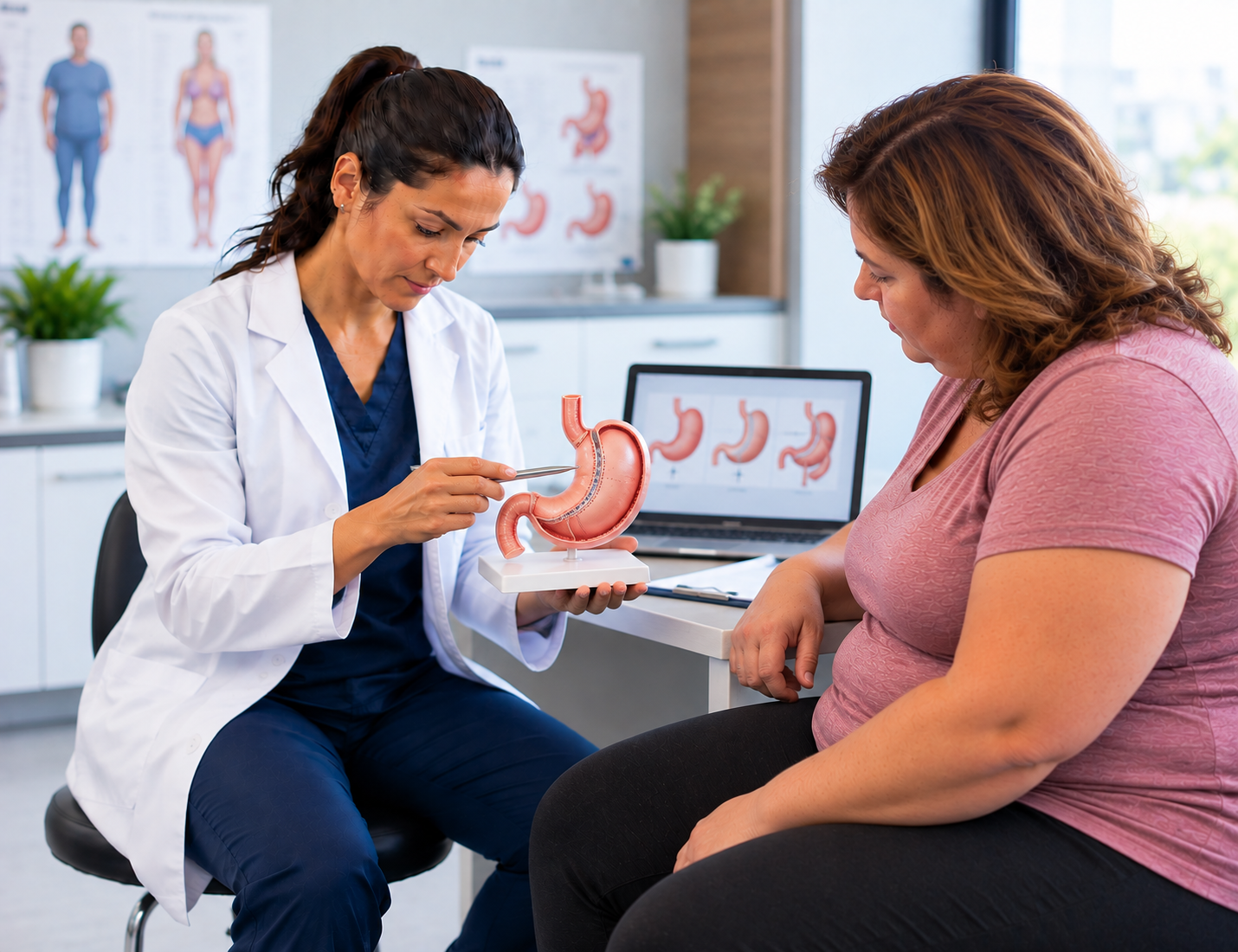
You’ve done the diets. Probably more than one. You’ve counted points, cut carbs, tried the plan your coworker swore by, maybe even lost thirty pounds only to watch twenty five of them find their way back within a year.
If that sounds familiar, you already know something that most people never have to learn the hard way: for a lot of people, willpower was never the problem. Biology is stubborn. Your body fights to hold onto weight the same way it fights to keep your temperature steady, through hormones and metabolic signals that don’t care how disciplined you are at 6 a.m.
That’s usually the point where people start searching for bariatric surgery near me, not as a shortcut, but as the first approach that actually works with the body instead of against it.
This guide walks through the different types of weight loss surgery, who tends to be a good candidate, what recovery is really like week by week, and what separates a surgical program that sets you up for lasting success from one that just performs the procedure and sends you home.
Key Takeaways
- Bariatric surgery changes the size of the stomach, the digestive pathway, or both, which affects hunger hormones and how the body absorbs calories.
- The most common procedures are gastric sleeve, gastric bypass, and gastric balloon, each with different benefits depending on your health history and goals.
- Candidates are typically evaluated using BMI along with obesity-related health conditions like type 2 diabetes, sleep apnea, or high blood pressure.
- Recovery timelines vary by procedure, but most patients return to light activity within one to two weeks and full activity within four to six weeks.
- Long term success depends heavily on the support system around the surgery, including nutrition counseling and follow up care, not just the operation itself.
- Choosing an experienced bariatric surgeon and an accredited program significantly affects both safety and long term outcomes.
Why Diet and Exercise Alone Sometimes Aren’t Enough
There’s a persistent myth that weight is purely a math problem: eat less, move more, watch the number go down. For some people, that math works fine. For others, especially people who’ve been carrying significant excess weight for years, the equation gets a lot more complicated.
When you lose weight through diet alone, your body often responds by ramping up ghrelin, the hormone that makes you feel hungry, while slowing your metabolism to conserve energy. It’s a survival mechanism left over from a time when food scarcity was a real threat. The problem is that this same mechanism doesn’t know the difference between an actual famine and a deliberate diet, so it fights back the same way either time.
This is part of why so many people lose weight successfully, only to regain it, sometimes exceeding where they started. It’s not a failure of discipline. It’s the body doing exactly what it’s designed to do.
Bariatric surgery works differently because it doesn’t rely on willpower to override biology. It physically changes how much food the stomach can hold, how quickly it empties, and in some procedures, how calories and nutrients are absorbed. Several procedures also reduce the production of ghrelin itself, which is part of why many patients report feeling less hungry almost immediately after surgery, not just eating less because they’re forcing themselves to.
Types of Bariatric Surgery: What’s Actually Different
Not all weight loss surgery works the same way, and the right option depends on your health profile, your goals, and your surgeon’s recommendation after a full evaluation.
Gastric Sleeve (Sleeve Gastrectomy)
This is currently the most commonly performed bariatric procedure in the country, and for good reason. The surgeon removes roughly 75 to 80 percent of the stomach, leaving behind a narrow, sleeve shaped section. The remaining stomach holds significantly less food, which means you feel full faster and stay full longer.
What makes the sleeve particularly effective is that the portion of the stomach removed is also where most of the body’s ghrelin is produced. Less stomach tissue means less hunger hormone circulating, which is a big part of why patients often describe a genuine drop in appetite, not just a smaller plate.
The sleeve is a purely restrictive procedure, meaning it doesn’t reroute the intestines, which makes it somewhat simpler than gastric bypass and typically involves a shorter recovery.
Gastric Bypass (Roux-en-Y)
Gastric bypass is one of the oldest and most studied bariatric procedures, and it works through two mechanisms instead of one. The surgeon creates a small pouch from the top of the stomach, then reroutes a portion of the small intestine to connect directly to that pouch, bypassing the rest of the stomach and the first section of the intestine.
This combination restricts how much food you can eat at once and reduces how many calories and nutrients your body absorbs. It also tends to produce a strong hormonal effect that improves blood sugar control, sometimes within days of surgery, well before significant weight loss has even occurred. This is one reason gastric bypass is often recommended for patients with type 2 diabetes alongside obesity.
Because it’s a more complex procedure involving the intestines, recovery and nutritional monitoring afterward require closer long term follow up, particularly around vitamin and mineral absorption.
Gastric Balloon
For patients who don’t qualify for or aren’t ready for surgery, a gastric balloon offers a non surgical option. A deflated balloon is placed in the stomach endoscopically, then filled with saline to take up space, helping you feel fuller with smaller meals. It’s typically left in place for six months and then removed.
The gastric balloon isn’t a long term fix on its own. It’s often used as a tool to jump start weight loss, build sustainable habits, and in some cases help patients reach a healthier weight before a more permanent procedure.
Revision Surgery
For patients who’ve had prior bariatric surgery that isn’t producing the expected results, or who’ve experienced complications over time, revision procedures can adjust or convert the original surgery to a different approach. This is a more specialized area of bariatric surgery and requires a surgeon with specific revision experience.
Who Actually Qualifies for Bariatric Surgery
Bariatric surgery isn’t reserved as a last resort for extreme cases, but it also isn’t recommended for everyone who wants to lose weight. Candidacy is generally based on a combination of factors, not weight alone.
Most programs use these general guidelines as a starting point:
- A BMI of 40 or higher, regardless of other health conditions
- A BMI of 35 or higher, combined with an obesity-related condition such as type 2 diabetes, high blood pressure, sleep apnea, or joint disease
- A documented history of attempting weight loss through diet and lifestyle changes without lasting success
- Being medically stable enough to safely undergo surgery and anesthesia
- A willingness to commit to the long term lifestyle and follow up changes surgery requires
That last point matters more than people expect. Surgery changes your stomach, but it doesn’t automatically change your relationship with food or your daily habits. Patients who see the best long term results are the ones who treat surgery as the start of a new approach to eating and activity, supported by their care team, not a one time fix they can walk away from afterward.
What the Evaluation Process Actually Involves
A responsible bariatric program doesn’t move straight from consultation to operating room. There’s a structured evaluation designed to confirm surgery is the right choice and set you up to succeed afterward.
This typically includes:
- A comprehensive health assessment, reviewing your weight history, prior weight loss attempts, and any obesity-related conditions.
- Nutritional counseling, both to prepare your body for surgery and to start building the eating habits you’ll rely on afterward.
- Psychological evaluation, to make sure you’re mentally prepared for the changes surgery brings and to identify any support you might need along the way.
- Lab work and imaging, to check for any underlying issues that could affect surgery or recovery.
- A pre-surgery diet, often required for a few weeks beforehand to shrink the liver and reduce surgical risk.
Programs that skip or rush through this process are a red flag. The evaluation isn’t bureaucratic overhead. It’s what separates patients who thrive after surgery from patients who struggle.
What Recovery Actually Looks Like
Recovery timelines vary by procedure, but here’s a realistic week by week picture for gastric sleeve and gastric bypass, the two most common procedures.
The first few days. Most patients stay in the hospital one to two nights. You’ll start on clear liquids almost immediately and be encouraged to walk the same day as surgery, which sounds counterintuitive when you’re recovering from surgery, but early movement significantly reduces the risk of blood clots and speeds recovery.
Weeks one and two. You’ll transition from liquids to pureed foods, and most patients return to light daily activities, though not exercise, within this window. Fatigue is common. So is some soreness around the incision sites, which are typically small given that most bariatric surgery today is done laparoscopically.
Weeks three and four. Soft foods are usually introduced, and energy levels start climbing back up. Many patients return to desk jobs around this point, though physically demanding work often requires more time.
Weeks five and six. Most patients transition to regular, solid food, following the portion guidelines their nutrition team provides. Light exercise typically resumes, with a gradual return to more vigorous activity in the following weeks based on your surgeon’s clearance.
Beyond six weeks. This is where the real work continues. Regular follow up appointments, ongoing nutrition support, and ongoing monitoring for vitamin and mineral levels (particularly after gastric bypass) become part of your routine, often for years after surgery, not just months.
The Real Benefits Go Beyond the Scale
Weight loss is obviously the headline benefit, but it’s often not the change patients talk about most once they’re a year or two out from surgery.
- Improvement or remission of type 2 diabetes. Many patients see significant improvement in blood sugar control, and some achieve remission entirely, sometimes before major weight loss has even occurred.
- Lower blood pressure. As excess weight comes off, the heart doesn’t have to work as hard, which often translates to meaningfully lower blood pressure readings.
- Better sleep apnea symptoms. Weight loss reduces fatty tissue around the airway, which for many patients means fewer disruptions to breathing during sleep, sometimes eliminating the need for a CPAP machine entirely.
- Less joint pain. Every pound of excess weight puts extra pressure on weight bearing joints like the knees and hips. Losing a significant amount of weight can meaningfully reduce that daily strain.
- Improved mobility and energy. Patients frequently describe being able to do things they’d stopped doing for years, playing with grandkids, taking stairs without stopping to catch their breath, going on a hike without dreading it.
None of these outcomes are guaranteed, and results vary based on the procedure, your starting health, and how closely you follow your care team’s guidance. But for many patients, the health improvements end up mattering just as much as the number on the scale.
Choosing the Right Bariatric Surgery Provider Near You
Not every surgical practice offering bariatric procedures provides the same level of support before and after surgery. Since long term success depends on more than the operation itself, the program you choose matters enormously.
When looking for bariatric surgery near you, look for a provider that:
- Is accredited as a bariatric surgery center, which reflects specific standards for safety and outcomes
- Has surgeons with substantial experience specifically in bariatric and weight loss procedures
- Offers a full evaluation process, including nutritional and psychological support, rather than rushing to schedule surgery
- Provides structured, ongoing follow up care after surgery, not just a single post-op checkup
- Has a dietitian or nutrition team as part of your ongoing care
- Is transparent about realistic expected outcomes and potential risks for your specific situation
A quality program treats surgery as one part of a much longer relationship focused on your health, not a single procedure with a finish line.
Let’s Talk About Your Options
Deciding to pursue bariatric surgery is a significant decision, and it deserves a conversation that actually addresses your specific health history, your goals, and your questions, not a generic pitch for a procedure.
At Mission Surgical Clinic in Riverside, CA, we start with a thorough evaluation to understand your full picture before recommending any procedure. Our team walks you through every option, sleeve, bypass, balloon, or revision, so you understand exactly what each path involves and which one actually fits your life.
If you’re ready to explore whether bariatric surgery is the right next step for you, let’s have that conversation.
Schedule Your Bariatric Consultation
Frequently Asked Questions
What is the safest type of bariatric surgery?
Both gastric sleeve and gastric bypass have strong safety records when performed by experienced bariatric surgeons. The right choice depends on your individual health profile, not a general ranking of one procedure over another. Your surgeon will help determine which option carries the best risk-benefit balance for your situation.
How much weight can I expect to lose after bariatric surgery?
Weight loss varies by procedure and individual factors, but many patients lose a significant portion of their excess weight within the first year, with continued loss over the following year. Long term results depend heavily on following post-surgery nutrition and activity guidance.
Is bariatric surgery painful?
Most bariatric procedures today are performed laparoscopically through small incisions, which generally means less pain and a faster recovery than older open surgery techniques. Some soreness and fatigue in the first couple of weeks is normal and manageable with guidance from your care team.
Will I need to take vitamins after bariatric surgery?
Yes, in most cases. Because these procedures change how your body absorbs nutrients, particularly gastric bypass, lifelong vitamin and mineral supplementation is typically part of your care plan, along with regular lab monitoring.
How long is the recovery from bariatric surgery?
Most patients return to light activity within one to two weeks and resume normal activities within four to six weeks, though this varies by procedure and individual healing. Full adjustment to new eating habits and routines often continues for several months.
Does insurance cover bariatric surgery?
Many insurance plans cover bariatric surgery when specific medical criteria are met, such as BMI thresholds and documented weight loss attempts. Coverage and requirements vary by
Related posts


