

Bariatric Surgery in Riverside, CA: Procedures, Eligibility, Risks, and Recovery
What bariatric surgery does
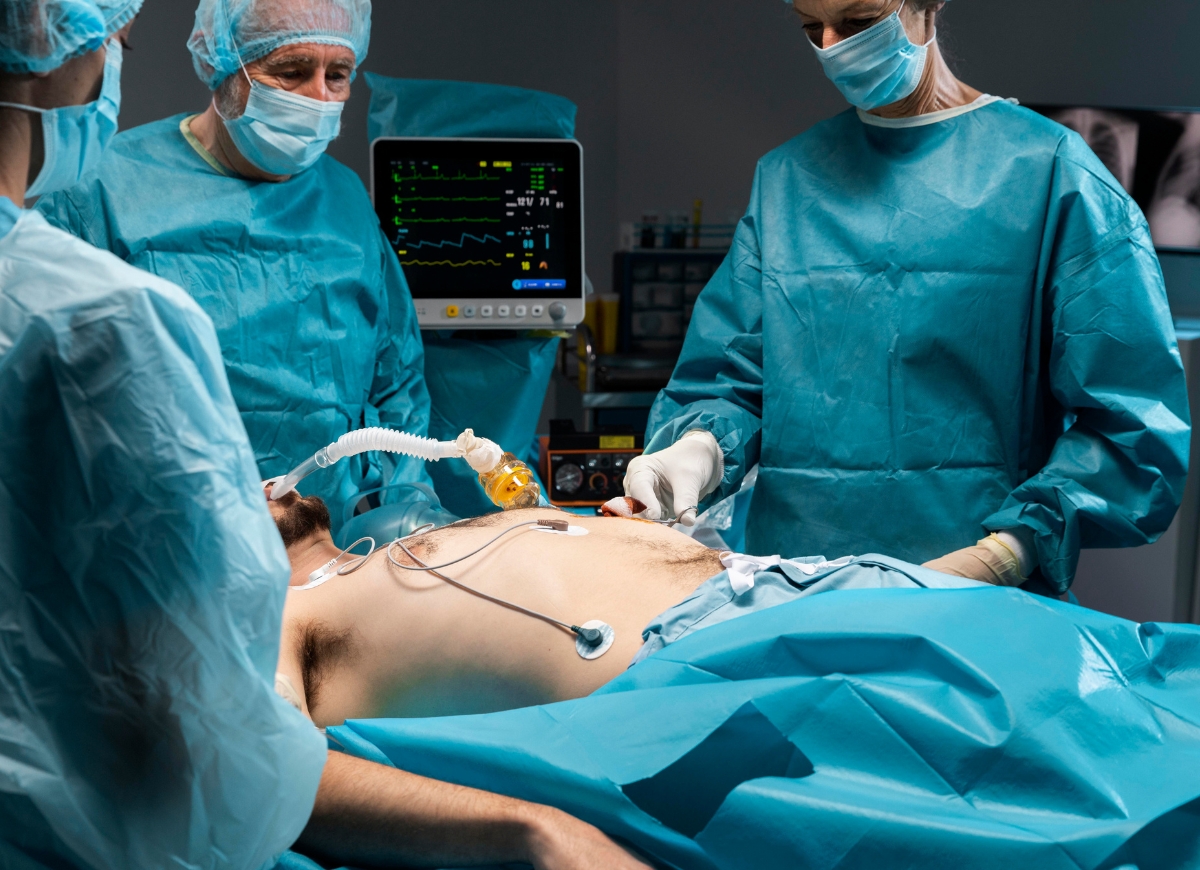
Bariatric surgery, also called metabolic or weight-loss surgery, changes the digestive system to help reduce food intake, nutrient absorption, or both. In many cases, the surgery is performed laparoscopically, using small incisions and specialized instruments, which can reduce trauma to the body and support a smoother recovery. Mission Surgical Clinic describes bariatric surgery this way on its own patient education pages.
That is why bariatric surgery is often considered when diet, exercise, and other non-surgical methods have not delivered lasting results. It is a medical tool, not a shortcut. For the right patient, it can become the reset point that makes healthier habits more sustainable.
Types of bariatric surgery
There is no universal “best” procedure. The right option depends on your health history, your weight-loss goals, and the surgeon’s recommendation after evaluation. The most common procedures in the United States are gastric sleeve, the gastric bypass, and the adjustable gastric band, though the band is used less often today.
Gastric sleeve
A gastric sleeve, also called sleeve gastrectomy, removes a large portion of the stomach and leaves behind a smaller, tube-shaped stomach. This helps patients feel full sooner and eat less.
Mission Surgical Clinic specifically lists sleeve gastrectomy as one of its weight-loss surgery expertise areas.
This procedure is often appealing because it does not reroute the intestines. For many patients, that means a simpler surgical structure compared with some other options.
Gastric bypass
Gastric bypass creates a smaller stomach pouch and reroutes part of the digestive tract. This reduces how much food the stomach can hold and can also change how calories and nutrients are absorbed.
Mission Surgical Clinic also highlights gastric bypass among its bariatric offerings.
This option is often discussed for patients who need significant weight loss and who may also have obesity-related conditions that benefit from stronger metabolic changes.
Adjustable gastric band
An adjustable gastric band places a band around the upper part of the stomach to create a smaller pouch. It is less commonly performed now because it generally leads to less weight loss and more complications than sleeve or bypass surgery.
Even though it is not as common, it is still part of the bariatric conversation, especially when patients are learning about the full range of surgical approaches.
Benefits of bariatric surgery
For the right patient, the benefits can go far beyond the number on the scale. NIDDK notes that weight-loss surgery can help improve several obesity-related health problems, including type 2 diabetes, high blood pressure, heart disease, unhealthy cholesterol levels, sleep apnea, urinary incontinence, and joint pain.
Here are some of the most meaningful benefits:
- Better long-term weight control.
- Improved mobility and daily comfort.
- Reduced strain on the heart and joints.
- Better control of obesity-related conditions.
- A stronger foundation for healthy habits.
For many people, the biggest benefit is not just weight loss. It is the ability to live with less pain, more energy, and fewer health limitations.
How to qualify for bariatric surgery
Qualification is not based on one number alone. Doctors usually look at BMI, medical history, previous weight-loss attempts, and whether surgery is the safest and most effective next step. NIDDK says adults may qualify if they have a BMI of 40 or more, a BMI of 35 or more with a serious obesity-related health problem, or, in some cases, a BMI of 30 or more with difficult-to-control type 2 diabetes. ASMBS also states that bariatric surgery is recommended for people with a BMI ≥35, and may be considered for those with a BMI of 30–34.9 in certain situations.
Medical factors doctors review
During a consultation, your surgical team may review:
- Your BMI and weight history
- Conditions like diabetes, sleep apnea, or hypertension
- Previous diets or weight-loss programs
- Medications and overall health
- Your readiness for follow-up care and lifestyle changes
That last point matters. Bariatric surgery works best when it is paired with nutrition changes, movement, and regular medical follow-up. It is a team effort, not a one-day event.
Lifestyle readiness matters too
A good candidate is not only someone who meets medical criteria. It is also someone who understands the recovery process and is willing to follow the plan.
That usually means being ready for:
- Smaller meals
- Vitamin and nutrition guidance
- Gradual recovery after surgery
- Routine follow-ups with the care team
- Long-term commitment to healthier habits
What to expect before and after surgery
The process usually begins with a consultation and evaluation. According to Mission Surgical Clinic’s bariatric education content, patients are assessed for medical history, goals, and suitability, and are also educated about surgical options, outcomes, and the lifestyle changes needed for long-term success.
After surgery, patients are monitored carefully and gradually transition from fluids to soft foods and then to a more advanced diet plan. Recovery is different for everyone, but the overall goal is the same: protect healing while helping the patient adapt to a new way of eating.
A smooth recovery usually includes:
- Following the surgeon’s diet plan
- Staying hydrated
- Moving gently as advised
- Attending follow-up appointments
- Watching for warning signs and asking questions early
Small habits matter a lot here. The patients who do best are usually the ones who treat recovery like a structured process, not a guessing game.
Why local bariatric care matters
When people search for bariatric surgery near me, they are usually looking for more than a location. They want a team they can return to, ask questions of, and trust through recovery.
Mission Surgical Clinic presents itself as a broad surgical practice with board-certified surgeons and modern facilities, and its providers page lists surgeons specializing in bariatric, general, vascular, and related surgical care. The clinic also emphasizes state-of-the-art surgical technology and patient comfort.
That kind of local support can make a difference when you are navigating pre-op steps, insurance questions, and post-op adjustments. Weight loss surgery is a journey, and having a nearby team can make the process feel more manageable.
Is bariatric surgery the right next step?
Bariatric surgery may be worth discussing if you have struggled with weight for years, tried multiple non-surgical approaches, and are now dealing with health problems tied to obesity. It may also be appropriate if your current weight is affecting sleep, movement, heart health, blood sugar, or daily quality of life.
Still, this decision should never be rushed. The best next step is a careful medical evaluation. That is where a clinic like Mission Surgical Clinic can help by reviewing the available procedures, discussing benefits and risks, and guiding you toward a plan that matches your needs.
Final thoughts
If you have been searching for bariatric surgery near me, start with the facts: the most common procedures are gastric sleeve and gastric bypass, bariatric surgery can improve several obesity-related health problems, and qualification is based on more than weight alone.
For patients in Riverside, Corona, and nearby communities, Mission Surgical Clinic offers bariatric expertise within a broader surgical practice, with board-certified surgeons and a patient-focused approach. If you are ready to learn whether surgery is appropriate for you, the most practical next step is a consultation with a qualified bariatric surgeon.
A well-informed decision is always the strongest one. And when it comes to weight-loss surgery, the right guidance can turn uncertainty into a clear plan forward.
FAQs
1. What is the safest type of bariatric surgery?
The safety of bariatric surgery depends on your health and medical history. Procedures like the gastric sleeve and the gastric bypass are widely performed and considered safe when done by experienced surgeons. Your doctor will recommend the best option based on your condition.
2. How much weight can I lose after bariatric surgery?
Weight loss varies by procedure and patient commitment. On average, patients may lose 50% to 70% of excess weight within the first 12–18 months, especially when combined with proper diet and lifestyle changes.
3. How long does it take to recover from bariatric surgery?
Most patients return to normal activities within 2 to 4 weeks, depending on the procedure. Full recovery and adjustment to new eating habits may take a few months with proper follow-up care.
4. Will I regain weight after bariatric surgery?
Weight regain is possible if lifestyle changes are not maintained. However, patients who follow dietary guidelines, stay active, and attend follow-ups can maintain long-term results successfully.
5. How do I find the best bariatric surgery near me?
Look for a clinic with board-certified surgeons, proven experience, and comprehensive care. Scheduling a consultation with a trusted provider like Mission Surgical Clinic can help you understand your options and determine if you qualify.
Related posts


