

Hyperbaric Oxygen Therapy Near You: Benefits for Wound Healing & Recovery
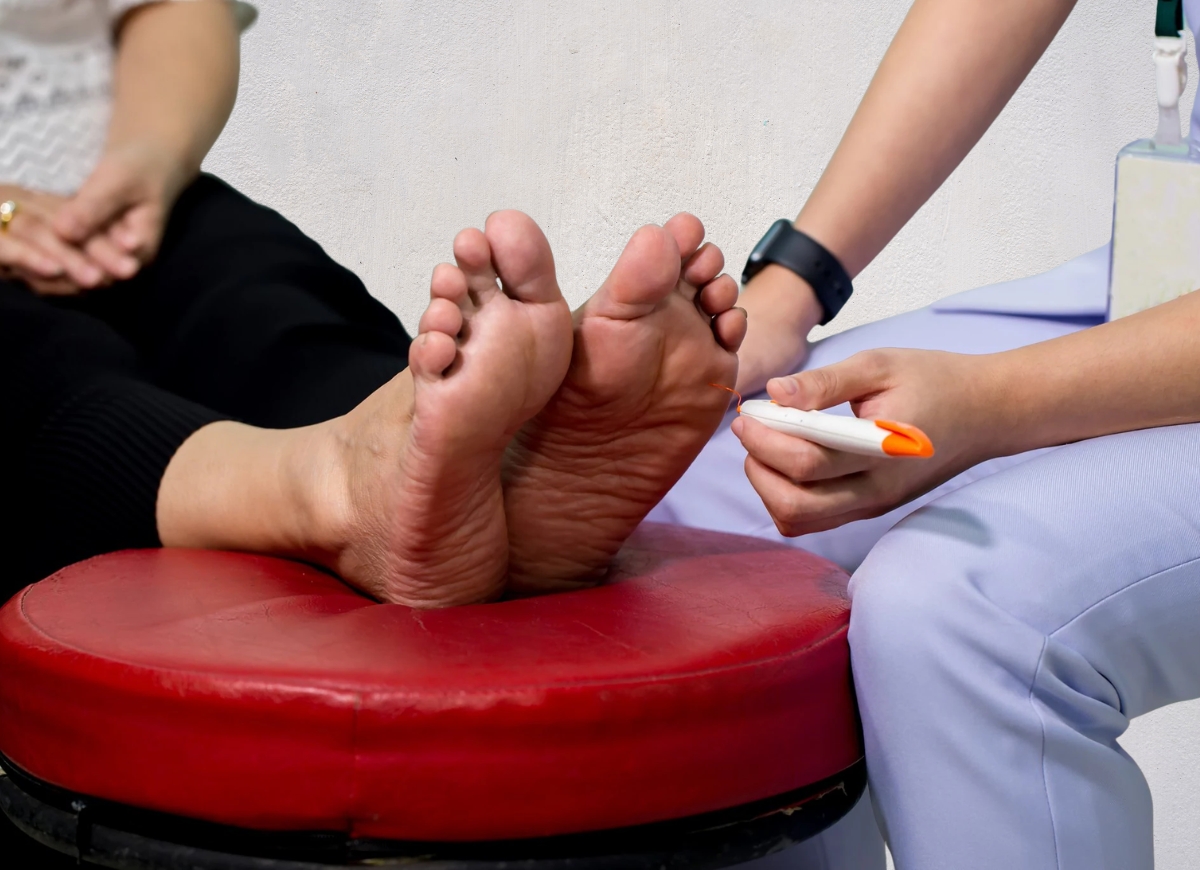
Why Diabetic Wounds Need Special Attention
Diabetes affects how your body heals. High blood sugar levels can damage nerves and reduce blood flow, making it harder for wounds to heal.
This combination creates a perfect storm:
- You may not feel injuries right away (nerve damage)
- Wounds heal more slowly (poor circulation)
- Infection risk increases significantly
That’s why even minor wounds should never be ignored.
Common Types of Diabetic Wounds
Understanding the types of wounds can help you recognize issues early and seek proper diabetic wound care near me before things worsen.
1. Diabetic Foot Ulcers
These are open sores, usually found on the bottom of the foot. They are one of the most common complications of diabetes.
2. Blisters and Calluses
Friction or pressure can cause these. If untreated, they can break open and lead to infection.
3. Cuts and Scrapes
Even small injuries can become serious due to delayed healing.
4. Surgical Wounds
Post-surgical healing can be slower in diabetic patients and requires careful monitoring.
Warning Signs You Should Never Ignore
Early detection can make a huge difference. If you notice any of the following, it’s time to look for professional diabetic wound care near me:
- Redness or swelling around a wound
- Unusual warmth in the affected area
- Drainage or foul odor
- Persistent pain or numbness
- Blackened or discolored skin
These symptoms may indicate infection or tissue damage that needs immediate care.
How to Prevent Diabetic Wounds
Prevention is always better than treatment — especially with diabetes. With a few daily habits, you can significantly reduce your risk.
Daily Foot Care Routine
Consistency is key. Make foot care a part of your everyday routine.
- Inspect your feet daily for cuts, blisters, or redness
- Wash with lukewarm water and dry thoroughly
- Moisturize to prevent cracking (avoid between toes)
Wear Proper Footwear
Shoes that fit well can prevent pressure points and injuries.
- Choose soft, supportive shoes
- Avoid walking barefoot even at home
- Use diabetic-friendly socks
Manage Blood Sugar Levels
Keeping your blood sugar under control helps your body heal faster and reduces complications.
Trim Nails Carefully
Improper nail care can lead to ingrown nails and infections.
The Importance of Early Treatment
When it comes to diabetic wounds, time matters. Delaying treatment can lead to severe complications, including infections, hospitalization, or even amputation.
Seeking diabetic wound care near me ensures:
- Proper wound cleaning and dressing
- Infection control
- Advanced healing techniques
- Continuous monitoring
Early intervention often leads to faster healing and better outcomes.
Advanced Diabetic Wound Care Treatments
Modern wound care has come a long way. Specialized clinics like Mission Surgical Clinic offer advanced treatments tailored to diabetic patients.
1. Debridement
This involves removing dead or infected tissue to promote healing.
2. Advanced Dressings
Specialized dressings keep wounds moist and protected, speeding up recovery.
3. Infection Management
Antibiotics and targeted therapies help control and prevent infections.
4. Offloading Techniques
Reducing pressure on the wound (especially for foot ulcers) is critical for healing.
When to Search for “Diabetic Wound Care Near Me”
Not every wound requires emergency care, but certain situations demand professional attention.
You should seek help if:
- A wound hasn’t healed within a few days
- You notice signs of infection
- The wound is deep or large
- You have a history of foot ulcers
Acting early can prevent minor issues from becoming major health concerns.
How Professional Care Supports Long-Term Health
Managing diabetic wounds isn’t just about healing; it’s about preventing recurrence.
Specialized care providers focus on:
- Identifying underlying causes
- Creating personalized care plans
- Educating patients on prevention
- Monitoring healing progress
This comprehensive approach ensures better long-term outcomes.
Lifestyle Habits That Support Healing
Your daily habits play a big role in how quickly and effectively your body heals.
Healthy Nutrition
A balanced diet supports tissue repair and immune function.
- Include protein-rich foods
- Eat plenty of fruits and vegetables
- Stay hydrated
Regular Checkups
Routine visits help catch potential issues early.
Stay Active (Safely)
Physical activity improves circulation, but avoid activities that put pressure on wounds.
The Role of Specialized Clinics in Diabetic Care
Not all wound care is the same. Clinics with experience in diabetic care understand the unique challenges patients face.
At Mission Surgical Clinic, the focus is on:
- Evidence-based treatments
- Patient-centered care
- Safe, effective healing strategies
This ensures patients receive care that aligns with medical best practices and supports real recovery.
Simple At-Home Wound Care Tips
While professional care is essential, proper at-home care can support healing.
- Clean wounds gently with mild solutions
- Keep the area covered and protected
- Avoid using harsh chemicals or home remedies
- Follow your healthcare provider’s instructions
Remember, home care should never replace medical evaluation for serious wounds.
Complications You Can Avoid With Proper Care
Ignoring diabetic wounds can lead to severe complications. The good news? Most of them are preventable with early care.
Possible complications include:
- Infections (including bone infections)
- Chronic non-healing wounds
- Tissue death (gangrene)
- Amputation
By seeking timely diabetic wound care near me, you significantly reduce these risks.
Taking the Next Step Toward Better Care
If you or a loved one has diabetes, don’t wait for a small issue to become a serious problem. Being proactive about wound care can make all the difference.
Searching for diabetic wound care near me connects you with professionals who understand your needs and can provide the right treatment at the right time.
Whether it’s prevention, early treatment, or advanced care, taking action today helps protect your health tomorrow.
Conclusion
Diabetic wounds may start small, but they can quickly become serious if not treated properly. The key is awareness, prevention, and timely care. By maintaining good daily habits, monitoring your skin and feet, and seeking professional help when needed, you can avoid complications and stay in control of your health.
Clinics like Mission Surgical Clinic play an important role in delivering specialized, patient-focused care that supports safe and effective healing. Don’t ignore the signs; your health is worth the attention.
FAQs
1. How do I know if a diabetic wound is serious?
If the wound shows signs of infection, doesn’t heal within a few days, or becomes painful, it’s best to seek medical care immediately.
2. Can diabetic wounds heal on their own?
Some minor wounds may heal, but due to slower healing in diabetes, professional evaluation is always recommended.
3. How often should I check my feet?
Daily inspection is essential to catch any cuts, blisters, or changes early.
4. What is the best treatment for diabetic foot ulcers?
Treatment depends on severity but may include cleaning, debridement, dressings, and offloading pressure.
5. When should I search for diabetic wound care near me?
As soon as you notice a wound that isn’t healing properly or shows signs of infection, don’t delay seeking care.
Related posts


