
Bariatric Surgery Near You: Weight Loss Surgery Options, Benefits & Recovery
What HBOT for Wounds Actually Does
The simplest way to understand HBOT is this: it gives healing tissue more oxygen at a time when the body may not be delivering enough on its own. That extra oxygen can support tissue repair, reduce swelling, improve the body’s ability to fight infection, and help form new blood vessels. Mission Surgical Clinic describes HBOT as a way to increase oxygen delivery to damaged tissues, while MedlinePlus notes that it can help wounds, especially infected wounds, heal more quickly.
Why Oxygen Matters So Much
When blood flow is reduced, a wound can get stuck. Oxygen is needed for the repair process, immune response, and new tissue growth. That is why HBOT is often discussed in the context of wounds that are chronic, complicated, or slow to close despite standard care. UHMS lists diabetic wounds among the conditions supported by hyperbaric treatment, and CMS explains that continued therapy depends on measurable healing progress during treatment.
How Healing Can Be Supported
HBOT may help by supporting several parts of the healing process at once, including reduced inflammation, improved oxygenation, angiogenesis, and better infection control. Mission Surgical Clinic’s wound care page specifically highlights enhanced wound healing, increased oxygen delivery, reduced infection risk, stimulated growth of new blood vessels, and improved tissue regeneration.
Which Wounds May Benefit Most?
HBOT is most often considered when a wound is not healing as expected or when the tissue environment makes healing harder. MedlinePlus includes wounds that have not healed with other treatments, such as diabetic foot ulcers or wounds related to very poor circulation, along with radiation injury, burns, skin graft support, and certain infections. Mission Surgical Clinic also lists diabetic ulcers, venous leg ulcers, pressure ulcers, post-surgical wounds, radiation-injured tissue, and traumatic injuries among the complex wounds it treats.
Common Wound Types Seen in Advanced Care
- Diabetic ulcers
- Surgical wounds that reopen or stall
- Pressure ulcers
- Venous leg ulcers
- Radiation-damaged tissue
For patients with diabetes, circulation issues, or a wound that keeps worsening instead of improving, the timing of care matters. CMS states that hyperbaric oxygen therapy is used as an adjunctive treatment and that wounds must show measurable signs of healing during treatment intervals to continue coverage in covered scenarios. In plain language, HBOT works best when it is part of a broader wound plan, not a replacement for it.
HBOT Is Not a Stand-Alone Fix
It is important to be honest here: HBOT does not replace debridement, infection control, circulation support, offloading, or other wound-care basics. Mission Surgical Clinic pairs HBOT with advanced wound care options such as enzymatic debridement, surgical debridement, skin substitutes, skin grafts, and arterial revascularization. That combination matters because many wounds heal best when the underlying cause is treated at the same time as the surface injury.
What to Expect from Treatment
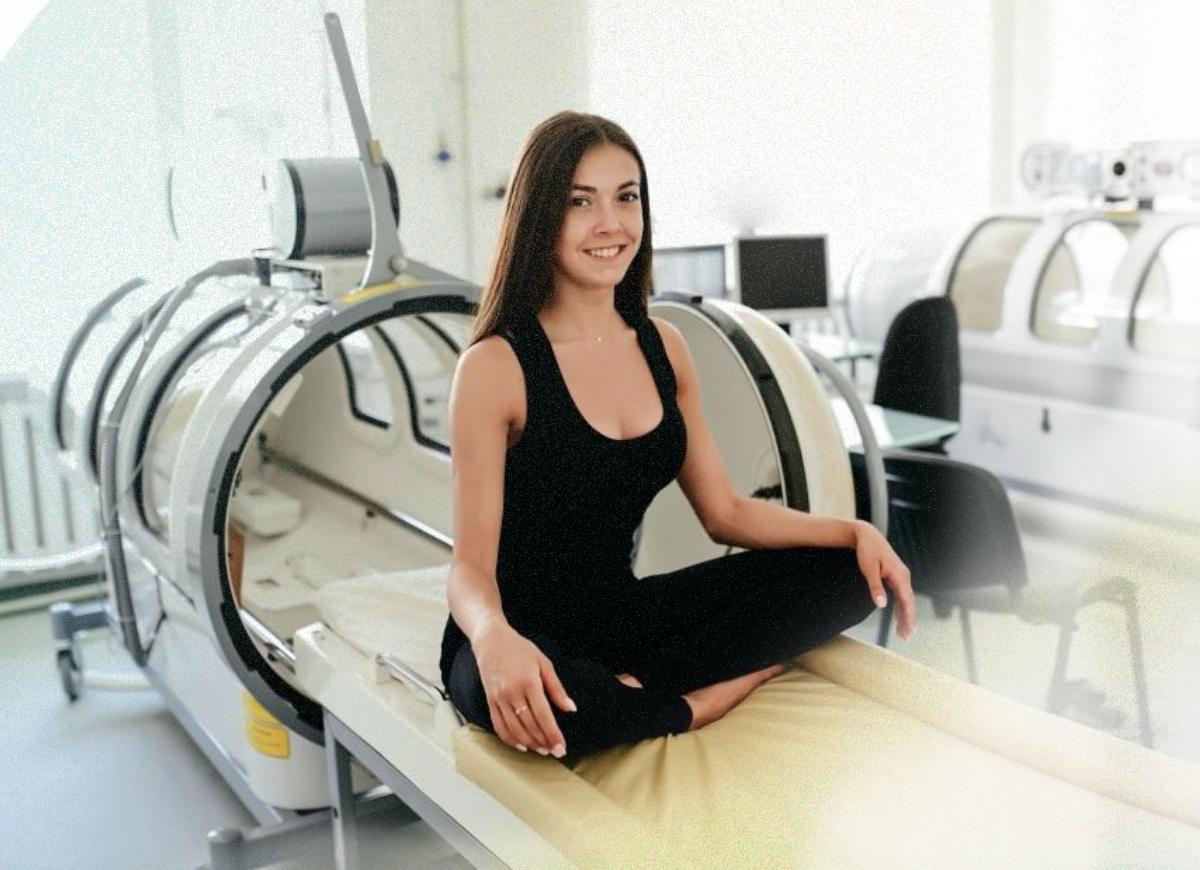
At Mission Surgical Clinic, HBOT is delivered in a specialized chamber under staff supervision. The clinic says a session typically lasts 60 to 90 minutes, and patients can usually relax, read, or listen to music during treatment. Before care begins, the team reviews your medical history, goals, and questions so the plan can be tailored to your condition.
That individualized approach is especially helpful because not every wound needs the same intensity of care. Some patients may need HBOT alongside vascular treatment, while others may benefit more from debridement, grafting, or a different wound strategy first. Mission Surgical Clinic says it builds personalized HBOT treatment plans based on each patient’s condition and health goals.
A Typical Wound-Care Visit May Include
- Review of the wound and healing history
- Discussion of circulation, infection, and prior treatment
- A plan for HBOT, if appropriate
- Ongoing checks to confirm progress
How Mission Surgical Clinic Supports Wound Healing
Mission Surgical Clinic positions its advanced wound program around vascular expertise, which makes sense because circulation is often part of the problem in hard-to-heal wounds. The clinic says its vascular surgeons specialize in wound care and offer integrated treatment for complex wounds, with board-certified surgical care available in Riverside and Corona. Its providers page identifies Michael Chin, MD, FACS, RPVI, as a board-certified surgeon with long experience in the Riverside County area.
The site also notes practical details that matter to patients: all major insurances are accepted, IEHP is accepted, and Spanish support is available. The clinic asks patients to confirm coverage before visiting, which is a sensible step for any procedure or therapy plan.
If you are searching for care near Riverside or Corona, Mission Surgical Clinic lists these locations on its site: 7300 Magnolia Ave in Riverside and 800 Magnolia Ave Suite 115 in Corona. The contact page also shows additional locations in Barstow, Murrieta, Loma Linda, and Apple Valley, along with the main phone number and email.
When to Ask About HBOT for a Wound
A wound deserves attention sooner rather than later if it is not improving, keeps reopening, has drainage, smells unusual, or becomes more painful. MedlinePlus notes that HBOT is used for certain serious wounds and infections, while CMS emphasizes that therapy is meant for wounds that have not responded to standard wound care. That makes HBOT a strong question to ask when the wound has stalled and the usual approach is no longer enough.
For many people, the next step is not guessing at home care. It is getting the wound assessed by a team that understands both healing and circulation. Mission Surgical Clinic’s advanced wound care model is built around that idea, combining HBOT with vascular and surgical expertise so the treatment plan matches the cause of the problem.
Final Thoughts
HBOT for wounds can be a meaningful part of recovery when a wound is chronic, complex, or slowed by poor oxygen delivery. It works best as part of a larger wound plan that includes proper evaluation, treatment of underlying causes, and close follow-up. For patients in Riverside, Corona, and nearby communities, Mission Surgical Clinic offers advanced wound care, on-site HBOT, major insurance acceptance, and Spanish-language support in a setting built around patient-centered care.
FAQs
1. What is HBOT for wounds and how does it work?
HBOT for wounds (Hyperbaric Oxygen Therapy) involves breathing pure oxygen in a pressurized chamber. This process increases oxygen levels in the blood, helping damaged tissues receive more oxygen, which supports healing, reduces swelling, and helps fight infection.
2. Which types of wounds benefit most from HBOT?
HBOT is commonly used for chronic or slow-healing wounds such as diabetic foot ulcers, pressure sores, post-surgical wounds, radiation injuries, and wounds caused by poor circulation. It is typically recommended when standard treatments have not been effective.
3. Is HBOT for wounds safe?
Yes, HBOT is generally considered safe when performed under medical supervision. Most patients tolerate it well, though some may experience mild side effects like ear pressure or fatigue. A proper evaluation ensures it is suitable for your condition.
4. How many HBOT sessions are needed for wound healing?
The number of sessions varies depending on the severity and type of wound. Many patients require multiple sessions over several weeks. Progress is regularly monitored to ensure the treatment is effective.
5. Can HBOT completely heal chronic wounds?
HBOT can significantly support and accelerate healing, but it is usually part of a comprehensive wound care plan. For best results, it is combined with treatments like debridement, infection control, and proper wound management under expert care.
Related posts


