

Hyperbaric Oxygen Therapy Near You: Benefits for Wound Healing & Recovery
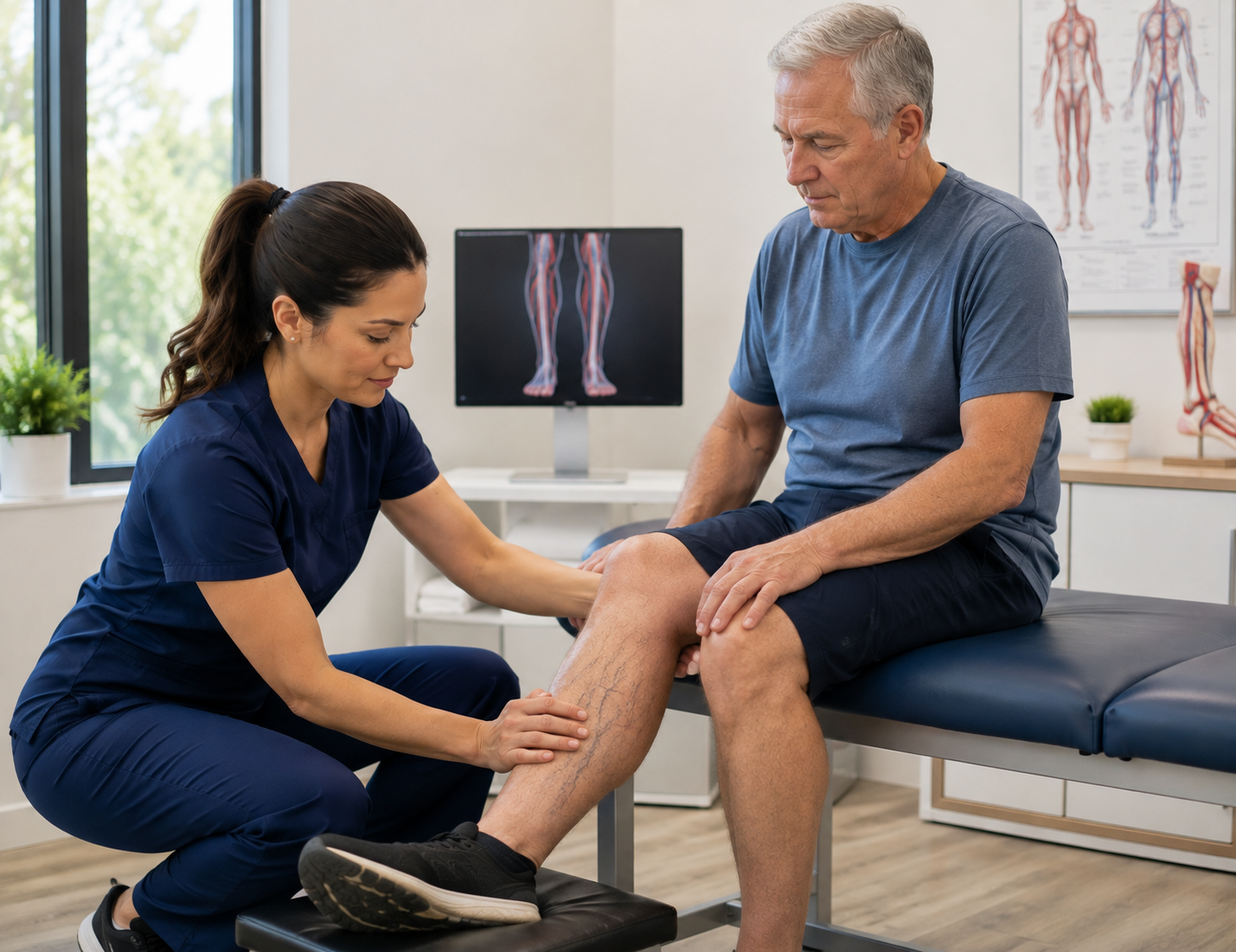
You expect sore legs after a long walk, a tough workout, or a busy day on your feet. But what if the pain shows up after just a few minutes of walking? What if it disappears when you stop, only to return the moment you start moving again?
Many people assume this type of discomfort is simply part of getting older, arthritis, or muscle fatigue. In reality, it may be your body warning you that your legs are not getting enough blood.
Poor circulation is more than an inconvenience. When blood cannot reach your muscles and tissues efficiently, everyday activities become harder, wounds take longer to heal, and the risk of serious vascular complications continues to grow.
The encouraging news is that effective leg pain poor circulation treatment is available. Modern vascular care can identify the cause of your symptoms early and provide treatments that improve blood flow, relieve pain, and help you stay active.
This guide explains why poor circulation causes leg pain, the symptoms you should never ignore, the treatments available today, and when it’s time to see a vascular specialist.
Key Takeaways
Poor circulation limits blood flow to the legs, often causing pain, cramping, numbness, or heaviness during activity.
Peripheral artery disease (PAD) is one of the most common causes of circulation-related leg pain.
Early diagnosis allows for more treatment options and helps reduce the risk of serious complications.
Effective leg pain poor circulation treatment may include lifestyle changes, medication, minimally invasive procedures, or surgery depending on the severity of the blockage.
Leg pain that occurs with walking, persists at rest, or is accompanied by wounds or skin discoloration should never be ignored.
A vascular specialist can often diagnose circulation problems during a single office visit using noninvasive vascular testing.
Why Poor Circulation Causes Leg Pain
Healthy arteries deliver oxygen-rich blood to the muscles in your legs. Every step you take depends on a steady supply of oxygen and nutrients to keep those muscles working properly.
When arteries become narrowed or blocked, blood flow can no longer keep up with your body’s demands. As a result, your leg muscles begin to run low on oxygen during physical activity. This oxygen shortage produces pain, cramping, fatigue, or a heavy sensation that often improves after a few minutes of rest.
This pattern is known as intermittent claudication, and it is one of the earliest warning signs of peripheral artery disease.
Poor circulation does not happen overnight. It usually develops gradually as plaque builds inside the arteries through a process called atherosclerosis. Over time, the narrowed arteries reduce circulation, making symptoms more frequent and more severe.
Without appropriate leg pain poor circulation treatment, reduced blood flow can eventually affect the skin, nerves, and other tissues, increasing the risk of ulcers, infections, and in advanced cases, tissue loss.
Common Causes of Poor Circulation in the Legs
Several medical conditions can reduce blood flow to the lower extremities. Identifying the underlying cause is the first step toward choosing the right treatment.
Peripheral Artery Disease (PAD)
Peripheral artery disease is the leading cause of circulation-related leg pain. It develops when fatty plaque narrows the arteries supplying blood to the legs. Symptoms often begin gradually and become more noticeable while walking or climbing stairs.
Diabetes
High blood sugar damages blood vessels over time, increasing the risk of narrowed arteries and slowing the body’s ability to heal wounds. Many patients with diabetes develop both circulation problems and nerve damage, making early evaluation especially important.
Smoking
Smoking damages blood vessels, accelerates plaque buildup, and significantly increases the risk of developing peripheral artery disease. It also reduces the success of many vascular treatments if smoking continues.
High Blood Pressure and High Cholesterol
Both conditions contribute to artery damage and plaque formation. Together, they increase the likelihood of poor circulation and other cardiovascular diseases.
Blood Clots
A blood clot can suddenly block blood flow to part of the leg. Unlike chronic circulation problems, clot-related symptoms often appear suddenly and require immediate medical attention.
Other Vascular Conditions
Certain inflammatory conditions, blood vessel disorders, or previous vascular injuries can also interfere with healthy circulation and produce symptoms similar to peripheral artery disease.
Who Is Most at Risk?
Although poor circulation can affect adults of any age, some people face a significantly higher risk.
Risk factors include: age over 50, smoking or previous tobacco use, diabetes, high blood pressure, high cholesterol, obesity, a family history of vascular disease, chronic kidney disease, limited physical activity, and a previous heart attack or stroke.
The more risk factors a person has, the greater the chance that leg pain may be related to an underlying circulation problem rather than a muscle or joint condition.
Even if symptoms seem mild today, early evaluation often leads to simpler and more effective leg pain and poor circulation treatment before permanent damage develops.
Symptoms That Could Point to Poor Circulation
Not all leg pain is caused by poor circulation. Muscle strains, arthritis, and nerve conditions can produce similar discomfort. The difference is when the pain occurs and how your body responds to it.
Circulation-related leg pain often follows a predictable pattern. It may begin while you’re walking, climbing stairs, or exercising, then improve after a few minutes of rest because your muscles no longer need as much oxygen-rich blood.
As circulation becomes more restricted, symptoms can occur more often and may eventually appear even while you’re sitting or lying down.
Watch for these warning signs: cramping or aching in the calf, thigh, or buttock while walking; pain that improves with rest but returns when activity resumes; numbness or tingling in the feet or toes; a heavy or tired feeling in one or both legs; cold feet or one leg that feels cooler than the other; pale, bluish, or shiny skin; slower hair growth on the legs; thickened or brittle toenails; weak or absent pulses in the feet; and slow-healing cuts, sores, or ulcers.
If you’ve been searching for leg pain poor circulation treatment, these symptoms should not be ignored. They may indicate that your arteries are no longer delivering enough blood to support healthy muscles and tissues.
When Leg Pain Becomes a Medical Emergency
Poor circulation usually develops gradually, but certain symptoms require immediate medical attention.
Seek emergency care if you experience: sudden, severe leg pain that appears without warning; a leg that becomes cold, pale, or blue within minutes; complete loss of sensation or movement; a foot wound that rapidly worsens or becomes infected; or severe pain at rest that does not improve.
These symptoms may indicate acute limb ischemia, a sudden blockage of blood flow that requires urgent treatment to prevent permanent tissue damage.
Even if your symptoms are less severe, persistent leg pain should never be dismissed as simply getting older. Early evaluation often leads to easier, less invasive treatment.
How Doctors Diagnose Poor Circulation
Finding the right leg pain poor circulation treatment starts with an accurate diagnosis. Because many conditions can cause leg pain, your vascular specialist will determine whether reduced blood flow is actually responsible for your symptoms.
Your visit typically begins with a discussion about:
When your leg pain starts, how far you can walk before symptoms appear, whether rest relieves the pain, your medical history, smoking history, diabetes, cholesterol, and blood pressure, and any family history of vascular disease.
Physical examination
Next comes a physical examination, where your provider checks the pulses in your legs and feet, evaluates skin color and temperature, and looks for wounds or other signs of reduced circulation.
Noninvasive vascular testing may include:
Ankle-Brachial Index (ABI)
The ABI compares blood pressure in your ankles with the blood pressure in your arms. This simple, painless test is one of the most effective ways to identify peripheral artery disease.
Duplex Ultrasound
A duplex ultrasound uses sound waves to evaluate blood flow and identify narrowed or blocked arteries. It helps determine the exact location and severity of circulation problems without surgery or radiation.
Additional Imaging
If intervention is being considered, your provider may recommend CT angiography, MR angiography, or a diagnostic angiogram to create detailed images of your blood vessels and guide treatment planning.
Most patients leave their evaluation with a clear diagnosis and a personalized treatment plan based on the severity of their condition rather than guesswork.
Why Early Diagnosis Makes a Difference
Many people delay seeking care because the pain seems manageable. They simply walk shorter distances, take more breaks, or avoid activities that trigger symptoms.
Unfortunately, poor circulation rarely improves on its own.
Without timely leg pain poor circulation treatment, narrowed arteries can continue to worsen, increasing the risk of progressive walking limitations, chronic pain, non-healing wounds, serious infections, critical limb ischemia, amputation in advanced cases, and heart attack or stroke.
The earlier poor circulation is diagnosed, the more treatment options remain available. Many patients can avoid major surgery when vascular disease is identified before it reaches an advanced stage.
Leg Pain Poor Circulation Treatment Options
There is no one size fits all approach to treating poor circulation. The right leg pain poor circulation treatment depends on what is reducing blood flow, how severe the blockage is, and how much your symptoms are affecting your daily life.
Some patients improve with conservative care, while others benefit from minimally invasive vascular procedures that restore healthy circulation with little downtime.
Your treatment plan should always begin with a thorough vascular evaluation. Once the underlying cause has been identified, your specialist can recommend the treatment option that offers the safest and most effective long-term results.
Treatment may include: lifestyle changes to improve circulation and slow disease progression; medications that help manage risk factors and improve blood flow; supervised exercise therapy to increase walking distance and reduce symptoms; minimally invasive procedures such as angioplasty, stenting, or atherectomy to restore circulation; and surgical bypass for severe or complex arterial blockages.
Today, many patients who need intervention can be treated with minimally invasive techniques that require only a small incision, local anesthesia, and little downtime.
Lifestyle Changes That Improve Circulation
For many patients, healthy habits become the foundation of successful leg pain and poor circulation treatment.
These changes may not remove existing plaque, but they can significantly slow disease progression, reduce symptoms, and improve long-term vascular health.
Stop Smoking
Smoking is the single biggest modifiable risk factor for peripheral artery disease. Quitting helps improve circulation, lowers the risk of future blockages, and increases the success of vascular procedures.
Walk Regularly
It may sound surprising, but walking is one of the most effective treatments for circulation-related leg pain.
A structured walking program encourages your body to develop alternative pathways for blood flow, helping you walk farther before symptoms appear.
Eat a Heart Healthy Diet
A diet rich in vegetables, fruits, lean proteins, whole grains, and healthy fats supports healthier arteries and helps manage cholesterol, blood pressure, and diabetes.
Manage Chronic Conditions
Keeping blood sugar, cholesterol, and blood pressure under control reduces additional damage to your arteries and supports better circulation over time.
Medications That May Help
Medication is often an important part of leg pain poor circulation treatment, especially for patients with peripheral artery disease.
Depending on your condition, your provider may recommend antiplatelet medications to reduce blood clot formation, cholesterol-lowering statins to slow plaque buildup, blood pressure medications to reduce stress on artery walls, diabetes medications to improve blood vessel health, and medications that help improve walking distance in selected patients.
These medications help slow disease progression and lower the risk of complications. However, they cannot remove significant blockages that are already limiting blood flow.
Minimally Invasive Procedures for Poor Circulation
If symptoms continue despite conservative treatment or testing shows severe narrowing, your vascular specialist may recommend a minimally invasive procedure to restore healthy blood flow.
Angioplasty
Angioplasty uses a small balloon attached to a catheter to widen a narrowed artery, allowing blood to flow more freely to the muscles and tissues in your leg.
Stenting
Stenting may be performed after angioplasty to place a small mesh tube inside the artery. The stent helps keep the artery open and reduces the risk of it narrowing again.
Atherectomy
Atherectomy removes plaque directly from the artery using specialized devices. It is often recommended for patients with dense or heavily calcified plaque that may not respond well to balloon treatment alone.
These procedures are typically performed through a tiny puncture rather than a large incision. Most patients receive local anesthesia, return home the same day, and resume light activities within 24 to 48 hours.
When Surgery Is Necessary
Although minimally invasive procedures successfully treat many circulation problems, surgery may still be the best option for extensive or complex arterial disease.
Bypass Surgery
Bypass surgery creates a new route for blood to flow around the blocked section of an artery using either one of your own veins or a synthetic graft. While recovery takes longer than catheter-based procedures, bypass surgery remains a highly effective treatment for patients with advanced peripheral artery disease who are not candidates for less invasive options.
The most effective leg pain poor circulation treatment is one that is tailored to your specific condition, symptoms, and overall health. A comprehensive evaluation allows your vascular specialist to recommend the approach that offers the best chance of lasting relief and improved circulation.
When Should You See a Vascular Specialist?
Many people live with leg pain for months or even years before seeking medical care. They assume it’s a normal part of aging, arthritis, or overuse. In reality, persistent leg pain can be an early warning sign of a circulation problem that is far easier to treat when caught early.
If you’ve been searching for leg pain poor circulation treatment, it’s worth scheduling an evaluation instead of waiting for symptoms to worsen.
You should see a vascular specialist if you experience: leg pain or cramping that starts while walking and improves with rest; pain that limits how far you can walk or exercise; cold feet or legs that stay cool even in warm weather; numbness, tingling, or weakness in one or both legs; slow-healing cuts, sores, or ulcers on your feet or legs; skin that appears pale, bluish, or shiny; leg pain along with diabetes, smoking history, high cholesterol, or high blood pressure; or symptoms that continue to worsen despite lifestyle changes.
An early evaluation can identify circulation problems before they lead to more serious complications and may allow for less invasive treatment options.
What Recovery Looks Like
Recovery depends on the treatment that’s right for your condition.
Patients who begin with lifestyle changes and medication often notice gradual improvements in walking distance and leg comfort over several weeks or months. Staying consistent with exercise, quitting smoking, and managing chronic conditions all play an important role in long-term success.
For patients who undergo minimally invasive procedures such as angioplasty, stenting, or atherectomy, recovery is typically much quicker than expected. Most people go home the same day, resume light activities within 24 to 48 hours, and return to their normal routine within a few days.
While many patients experience relief soon after treatment, improving circulation is only part of the process. Regular follow-up appointments, healthy lifestyle choices, and ongoing management of risk factors help protect your arteries and reduce the chance of future blockages.
Let’s Talk About Your Leg Pain
Leg pain is your body’s way of telling you something isn’t right. If poor circulation is limiting your mobility, affecting your daily routine, or causing symptoms that continue to worsen, waiting rarely makes the problem better.
The good news is that effective leg pain and poor circulation treatment is available. With the right diagnosis and a personalized treatment plan, many patients find lasting relief, improve their circulation, and get back to the activities they enjoy.
At Mission Surgical Clinic, we take the time to understand what’s causing your symptoms before recommending treatment. Whether you need lifestyle guidance, advanced vascular testing, or a minimally invasive procedure, our team is here to help you make informed decisions about your vascular health.
Let’s talk about what’s causing your leg pain and find the treatment that’s right for you.
Frequently Asked Questions
What causes leg pain from poor circulation?
The most common cause is peripheral artery disease (PAD), a condition in which plaque builds up inside the arteries and restricts blood flow to the legs. Other causes include blood clots, diabetes, and vascular disorders that reduce healthy circulation.
Can poor circulation in the legs be treated without surgery?
Yes. Many patients improve with lifestyle changes, supervised exercise therapy, medications, and management of underlying conditions. More advanced cases may require minimally invasive procedures to restore blood flow.
What is the best leg pain poor circulation treatment?
The best treatment depends on the cause and severity of your condition. Some patients respond well to conservative care, while others benefit from angioplasty, stenting, atherectomy, or bypass surgery. A vascular evaluation is the best way to determine the most effective treatment plan.
How do I know if my leg pain is caused by poor circulation?
Pain that occurs while walking, improves with rest, and returns during activity is a common sign of poor circulation. Cold feet, numbness, slow-healing wounds, and changes in skin color may also indicate reduced blood flow.
Is poor circulation a serious condition?
It can be. Left untreated, poor circulation may lead to chronic pain, non-healing wounds, infections, critical limb ischemia, and an increased risk of heart attack or stroke. Early diagnosis and treatment offer the best outcomes.
When should I seek medical attention for leg pain?
You should schedule an evaluation if your leg pain is persistent, interferes with walking, or is accompanied by symptoms such as numbness, cold feet, skin discoloration, or slow-healing wounds. Sudden severe pain, loss of sensation, or a cold, pale leg requires immediate emergency care.
Related posts


