

Bariatric Surgery in Riverside, CA: Procedures, Eligibility, Risks, and Recovery
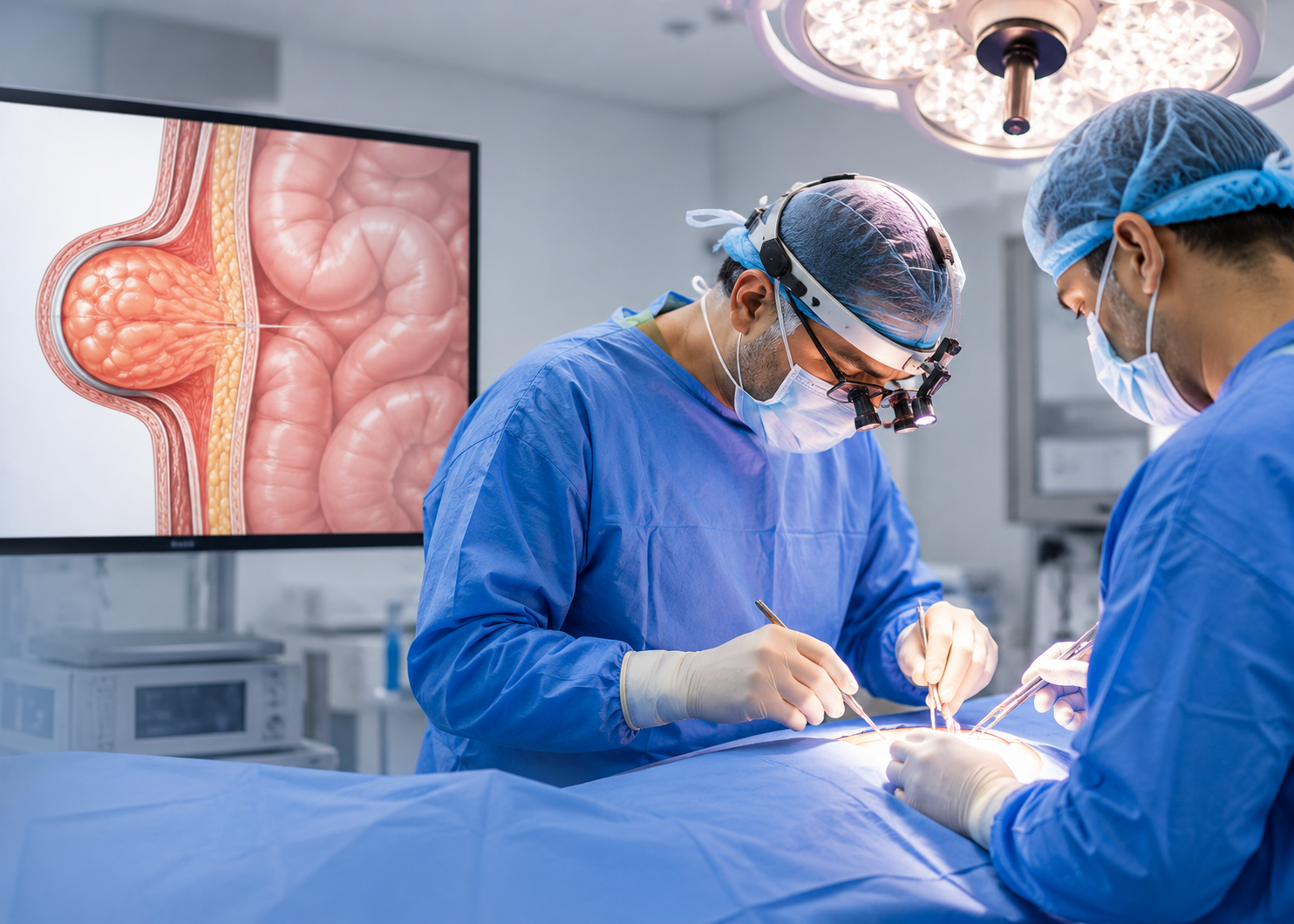
Searching for hernia surgery near me is often the first step people take when dealing with persistent discomfort, swelling, or pain caused by a hernia. While some hernias may remain mild for a period of time, many eventually require medical attention and surgical repair to prevent complications.
Understanding the different types of hernias, available surgical options, recovery expectations, and warning signs can help patients make informed decisions about their health. Clinics like Mission Surgical Clinic provide professional surgical care focused on patient safety, proper diagnosis, and long-term recovery support.
Let’s explore everything you should know about hernia surgery.
What is a Hernia?
A hernia occurs when an internal organ or tissue pushes through a weak area in the muscle or surrounding tissue wall. This often creates a visible bulge that may become more noticeable during coughing, lifting, or physical activity.
Hernias can develop gradually or suddenly and may vary in severity depending on the location and size.
Common symptoms may include a visible lump or bulge, pain or discomfort, pressure in the abdomen or groin, a burning or aching sensation, and weakness during physical activity.
While some hernias cause minimal symptoms initially, untreated hernias can worsen over time.
Common Types of Hernias
When researching hernia surgery near me, it’s important to understand the different types of hernias that may require surgical treatment.
Inguinal Hernia
An inguinal hernia occurs in the groin area and is one of the most common types, especially in men. It happens when tissue pushes through a weak spot in the abdominal wall. Symptoms often include groin swelling, pain while lifting or bending, and discomfort during physical activity.
Umbilical Hernia
This type develops near the belly button when abdominal tissue protrudes through weakened muscles around the navel. Umbilical hernias may occur in both children and adults.
Hiatal Hernia
A hiatal hernia happens when part of the stomach moves upward through the diaphragm into the chest cavity. It may cause acid reflux, heartburn, chest discomfort, and difficulty swallowing.
Incisional Hernia
Incisional hernias can develop after previous abdominal surgery if tissue pushes through the healing surgical incision area. They may become larger over time if not repaired.
Femoral Hernia
Femoral hernias appear in the upper thigh or groin region and are more common in women. Although less common, they can carry a higher risk of complications.
When Do You Need Hernia Surgery?
Not every hernia requires immediate surgery, but many eventually need repair to avoid serious complications.
Patients searching for hernia surgery near me are often advised to seek medical evaluation if they experience persistent pain or discomfort, increasing hernia size, difficulty performing daily activities, digestive problems, nausea or vomiting, or a hernia that cannot be pushed back in.
Emergency medical attention may be necessary if the hernia becomes trapped or cuts off blood supply to tissue, a condition known as strangulation.
Types of Hernia Surgery
Modern hernia treatment offers several surgical approaches depending on the type and severity of the condition.
Open Hernia Repair
In open surgery, the surgeon makes an incision near the hernia site to repair the weakened tissue. Surgical mesh may also be used to strengthen the area and reduce recurrence risk. This approach is commonly used for many hernia types.
Laparoscopic Hernia Surgery
Laparoscopic surgery is a minimally invasive technique performed using small incisions and specialized surgical instruments. Benefits may include smaller scars, reduced pain, faster recovery, and a shorter hospital stay. Many patients searching for hernia surgery near me prefer minimally invasive options when appropriate for their condition.
Robotic Hernia Surgery
Some surgical centers also offer robotic-assisted hernia repair, which provides enhanced precision and flexibility during surgery. The best surgical method depends on hernia size, location, medical history, previous surgeries, and overall patient health.
Preparing for Hernia Surgery
Before surgery, patients usually complete a medical evaluation and consultation process.
Preparation may include a physical examination, imaging tests if necessary, medication review, pre-surgery instructions, and lifestyle recommendations.
Your surgeon may also discuss surgical risks, recovery expectations, activity restrictions, and post-operative care instructions. Choosing an experienced surgical provider helps ensure safer treatment and better outcomes.
Recovery After Hernia Surgery
Recovery time varies depending on the type of hernia and surgical method used.
Immediately After Surgery
Most patients can walk shortly after surgery, although some discomfort and swelling are normal during the early healing phase.
Returning to Daily Activities
Light activities may resume within a few days, while more strenuous activities and heavy lifting may need to be avoided for several weeks.
Pain Management
Doctors may recommend pain medications, ice application, walking for circulation, and gradual movement to support comfort during recovery.
Follow-Up Care
Post-operative appointments help monitor healing and reduce the risk of complications or recurrence. Patients searching for hernia surgery near me should understand that proper recovery care is just as important as the procedure itself.
Risks and Possible Complications
Although hernia surgery is generally considered safe, every surgical procedure carries some potential risks.
Possible complications may include infection, bleeding, recurrence of the hernia, nerve discomfort, mesh-related complications, and swelling or bruising.
An experienced surgical team helps reduce these risks through careful planning and patient monitoring.
Lifestyle Tips After Hernia Surgery
After recovery, patients are often encouraged to maintain habits that support long-term healing and reduce strain on the abdominal wall.
Helpful lifestyle adjustments may include maintaining a healthy weight, avoiding heavy lifting, eating fiber-rich foods, preventing constipation, quitting smoking, and exercising safely. These habits may help reduce the risk of future hernias.
Choosing the Right Surgical Clinic
When searching online for hernia surgery near me, selecting the right clinic is an important part of receiving safe and effective care.
Look for experienced general surgeons, accredited surgical facilities, clear patient communication, modern surgical techniques, and structured post-operative support.
Professional providers like Mission Surgical Clinic focus on personalized care, surgical safety, and long-term patient recovery throughout the treatment process.
Questions to Ask Before Hernia Surgery
Before scheduling surgery, patients should ask questions such as: What type of hernia do I have? Do I need surgery now or later? Which surgical method is best for me? What is the expected recovery time? Are there restrictions after surgery?
Clear communication with your surgeon helps you prepare confidently for treatment and recovery.
Final Thoughts
Searching for hernia surgery near me is often the beginning of finding relief from discomfort, pain, and limitations caused by a hernia. While some hernias may remain stable temporarily, many eventually require surgical repair to prevent worsening symptoms or serious complications.
Understanding the different types of hernias, treatment options, and recovery expectations can help patients make informed healthcare decisions.
If you are considering surgical treatment, consulting with experienced professionals at Mission Surgical Clinic can help you explore the safest and most effective treatment options for your condition.
FAQs
1. How do I know if my hernia needs surgery?
If the hernia causes pain, grows larger, affects daily activities, or becomes difficult to push back in, surgery may be recommended. A surgeon can determine the best treatment approach after evaluation.
2. Is hernia surgery painful?
Most patients experience some temporary discomfort after surgery, but pain is usually manageable with medication and proper recovery care.
3. How long does it take to recover from hernia surgery?
Recovery depends on the type of surgery and individual health. Many patients return to light activities within a few days to a few weeks.
4. Can a hernia come back after surgery?
Although hernia repair is highly effective, recurrence is still possible in some cases, especially without proper recovery and lifestyle management.
5. Is laparoscopic hernia surgery better than open surgery?
Both methods are effective. Laparoscopic surgery may offer faster recovery and smaller scars for some patients, but the best option depends on the individual case and surgeon recommendation.
Related posts


