

Non-Healing Wound Treatment: Advanced Therapies to Improve Recovery Faster
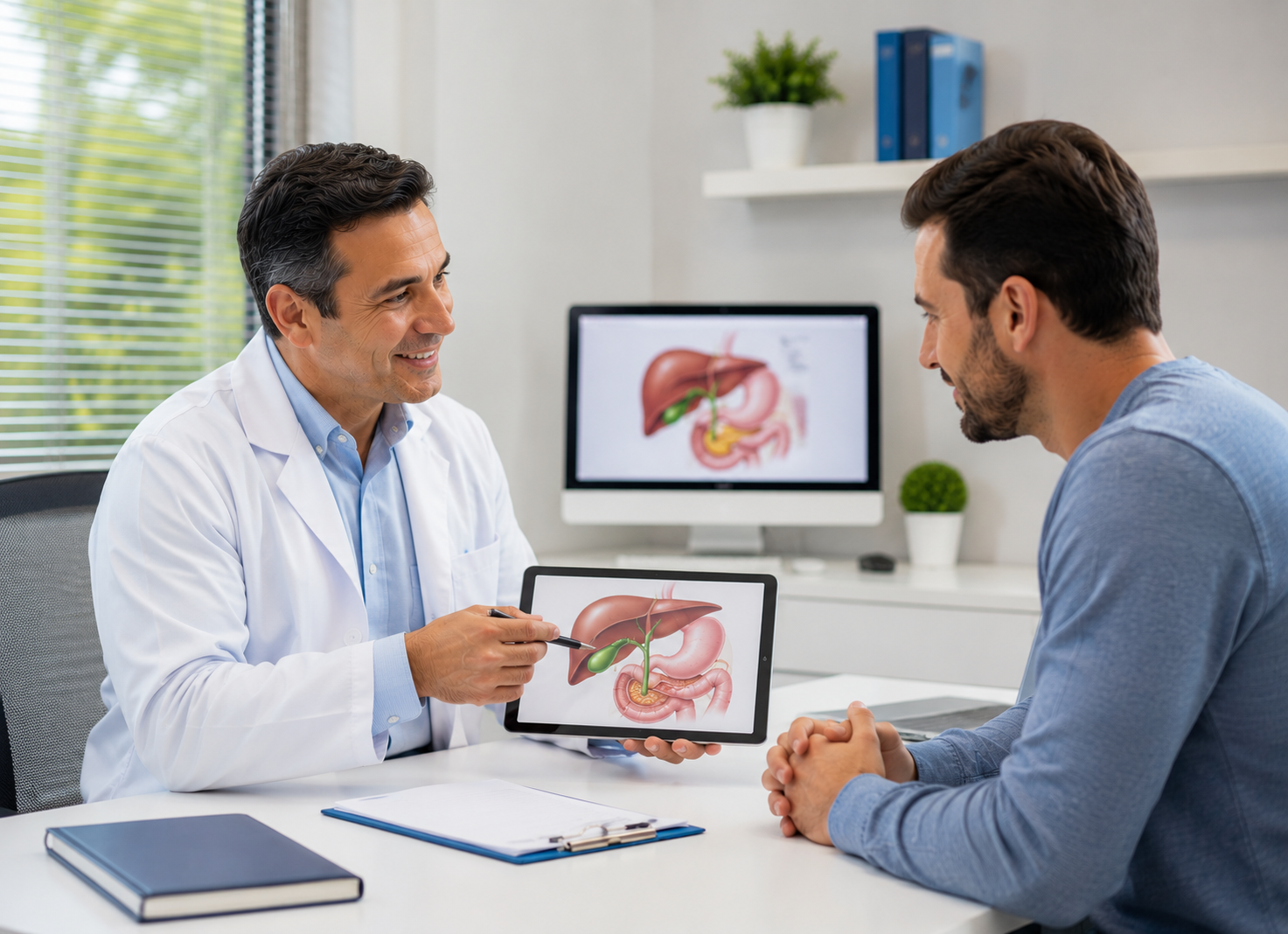
Searching for gallbladder surgery near me often begins after experiencing recurring abdominal pain, digestive discomfort, or gallbladder attacks that interfere with daily life. Gallbladder problems are common and can range from mild irritation to severe conditions that require surgical treatment.
Understanding the symptoms, causes, treatment options, and recovery process can help patients feel more prepared when considering surgery. Professional surgical providers like Mission Surgical Clinic offer patient-focused care designed to diagnose and treat gallbladder conditions safely and effectively.
Here’s everything you should know about gallbladder surgery and when it may be necessary.
What Is the Gallbladder?
The gallbladder is a small organ located beneath the liver. Its primary role is to store and release bile, a digestive fluid that helps break down fats.
Although the gallbladder supports digestion, people can still live healthy lives without it. When the gallbladder becomes diseased or causes ongoing problems, surgical removal may be recommended.
Common Gallbladder Problems
Many patients searching for gallbladder surgery near me are experiencing symptoms caused by gallstones or inflammation.
Gallstones
Gallstones are hardened deposits that form inside the gallbladder. Some people may never notice them, while others experience severe pain or digestive issues.
Cholecystitis
This condition refers to inflammation of the gallbladder, often caused by gallstones blocking bile flow.
Biliary Dyskinesia
In this condition, the gallbladder does not empty properly, leading to pain and digestive discomfort.
Gallbladder Infection
Infections can occur when bile becomes trapped, causing swelling, pain, and fever.
Blocked Bile Ducts
Gallstones may sometimes move into the bile ducts and block normal digestion, potentially leading to serious complications.
Symptoms That May Indicate Gallbladder Problems
Gallbladder symptoms can vary depending on the severity of the condition. Some symptoms appear suddenly, while others develop gradually over time.
Common signs include pain in the upper right abdomen, pain after eating fatty foods, nausea or vomiting, bloating and indigestion, back or shoulder pain, fever or chills, and jaundice, which refers to yellowing of the skin or eyes.
Many people searching for gallbladder surgery near me seek treatment after repeated painful gallbladder attacks that become difficult to manage.
When Is Gallbladder Surgery Needed?
Not all gallbladder issues require surgery immediately, but recurring symptoms or complications often lead doctors to recommend removal of the gallbladder.
Surgery may be necessary if gallstones cause repeated pain, inflammation becomes severe, infection develops, digestive symptoms worsen, gallstones block bile flow, or emergency complications occur.
Delaying treatment in serious cases may increase the risk of infection or damage to nearby organs.
Types of Gallbladder Surgery
Gallbladder removal surgery is known as cholecystectomy. There are two primary surgical approaches commonly used today.
Laparoscopic Gallbladder Surgery
Laparoscopic surgery is the most common and minimally invasive method. During the procedure, small incisions are made, a tiny camera guides the surgery, and the gallbladder is removed using specialized instruments. Benefits may include smaller scars, less pain, faster recovery, and a shorter hospital stay. Many patients searching for gallbladder surgery near me prefer laparoscopic surgery because of its quicker healing process.
Open Gallbladder Surgery
Open surgery may be necessary in more complex cases or when severe inflammation or scar tissue is present. This method involves a larger incision and may require a longer recovery period. Your surgeon will determine the safest surgical approach based on your condition and medical history.
Preparing for Gallbladder Surgery
Before surgery, patients usually undergo medical evaluations and imaging tests to confirm the diagnosis and plan treatment safely.
Preparation may include blood tests, ultrasound or imaging scans, medication review, fasting before surgery, and a discussion of surgical risks and recovery expectations.
A professional surgical clinic ensures patients fully understand the procedure before moving forward.
What Happens During Recovery?
Recovery after gallbladder surgery depends on the surgical method used and the patient’s overall health.
Immediately After Surgery
Most patients can walk within hours after surgery. Mild soreness, bloating, or fatigue is common during the first few days.
Returning to Normal Activities
Patients who undergo laparoscopic surgery often return to light activities within about one to two weeks. Recovery from open surgery may take longer.
Diet After Gallbladder Surgery
The body adjusts gradually after gallbladder removal. Doctors may recommend smaller meals, low-fat foods initially, proper hydration, and a gradual return to regular eating habits. Most patients eventually return to a normal diet with minor adjustments.
Follow-Up Care
Regular follow-up appointments help monitor healing and address any concerns during recovery.
Risks and Possible Complications
Although gallbladder surgery is generally considered safe, all surgeries carry some risks.
Potential complications may include infection, bleeding, bile leakage, digestive discomfort, injury to nearby structures, and blood clots.
Experienced surgeons and proper post-operative care help minimize these risks.
Life After Gallbladder Removal
Many patients worry about digestion after surgery. In most cases, the liver continues producing bile normally, allowing digestion to continue without the gallbladder.
Patients are often encouraged to maintain a balanced diet, avoid overeating, exercise regularly, and stay hydrated. Most people resume normal lifestyles after recovery.
Choosing the Right Surgical Clinic
When searching online for gallbladder surgery near me, selecting the right surgical provider is an important part of safe treatment and successful recovery.
Look for experienced general surgeons, accredited surgical facilities, advanced minimally invasive techniques, personalized patient care, and structured recovery support.
Trusted providers like Mission Surgical Clinic focus on patient education, surgical safety, and comprehensive post-operative care throughout the treatment process.
Questions to Ask Before Surgery
Before scheduling gallbladder surgery, patients should ask: Is surgery necessary for my condition? Which surgical method is best for me? How long will recovery take? What foods should I avoid after surgery? Are there risks specific to my health condition?
Understanding the answers helps patients feel more confident and prepared.
Final Thoughts
Searching for gallbladder surgery near me is often the first step toward relieving chronic pain, digestive discomfort, and recurring gallbladder attacks. While some gallbladder conditions can be managed temporarily, surgery is often the most effective long-term solution for recurring symptoms and complications.
Understanding the symptoms, treatment options, and recovery process allows patients to make informed healthcare decisions with greater confidence.
If you are experiencing ongoing gallbladder problems, consulting with experienced professionals at Mission Surgical Clinic can help you explore safe and effective treatment options tailored to your needs.
FAQs
1. How do I know if I need gallbladder surgery?
Gallbladder surgery may be recommended if you experience recurring pain, gallstones, inflammation, infection, or digestive problems that affect your daily life.
2. Is gallbladder surgery safe?
Yes, gallbladder surgery is commonly performed and generally considered safe when done by experienced surgeons in an accredited surgical facility.
3. How long does recovery take after gallbladder surgery?
Many patients recover within one to two weeks after laparoscopic surgery, while open surgery may require a longer healing period.
4. Can I live normally without a gallbladder?
Yes. Most people live healthy, normal lives after gallbladder removal with only minor dietary adjustments during recovery.
5. What foods should I avoid after gallbladder surgery?
Doctors often recommend avoiding greasy, fried, or high-fat foods temporarily while the digestive system adjusts after surgery.
Related posts


