

Bariatric Surgery Near You: Weight Loss Surgery Options, Benefits & Recovery
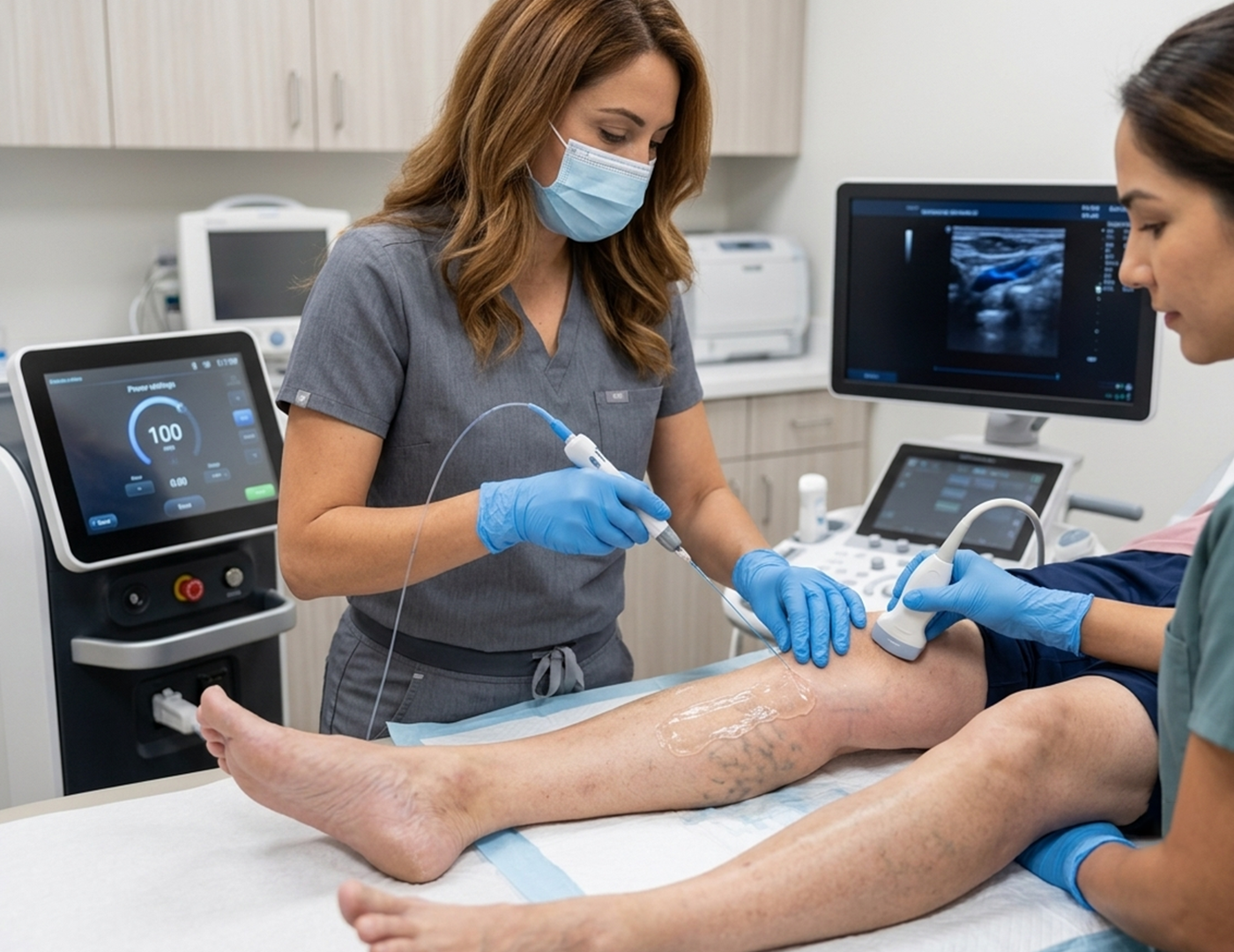
A scrape that should have closed in two weeks is still open at week eight. Maybe it’s a sore on the bottom of your foot that you only noticed because of the smell. Maybe it’s a surgical incision that keeps reopening every time you think it’s finally closed for good. At some point, “it’s healing slowly” stops being a reasonable explanation, and the real question becomes whether something deeper is keeping it open.
That question is exactly when most people should be talking to a chronic wound specialist instead of waiting another week to see what happens. Wounds that refuse to heal are rarely a stubborn skin problem on their own. They’re usually a signal that circulation, blood sugar, nutrition, or infection is working against the body’s normal repair process, and the longer that signal goes unanswered, the higher the risk of a serious complication.
This guide covers what actually counts as a chronic wound, the most common reasons healing stalls, the warning signs that mean it’s time for specialist care, and what that care typically involves.
What Actually Counts as a Chronic Wound
A typical wound moves through a predictable sequence: bleeding stops within minutes, inflammation peaks within a few days, new tissue starts filling the area within two to three weeks, and the skin fully closes within about a month. When a wound stalls anywhere in that sequence and shows no real progress for four weeks or longer, it’s classified as chronic, regardless of how small it looks on the surface.
Size is misleading here. A chronic wound can be the size of a coin and still represent a serious medical issue, while a large surgical wound healing on schedule is not cause for alarm. What matters is the trajectory, not the dimensions.
Why Wounds Stop Healing
Healing requires steady blood flow, oxygen, and nutrients reaching the site, along with a functioning immune response to fight off infection. When any of those pieces are compromised, the wound can stay open indefinitely no matter how well it’s bandaged.
The most common underlying causes include:
- Diabetes, which affects both circulation and nerve sensation, often allowing wounds on the feet to go unnoticed until they’re already advanced
- Venous insufficiency, where damaged vein valves let blood pool in the lower legs and starve the skin of fresh circulation, often producing ulcers near the ankle
- Peripheral arterial disease, which restricts blood flow to the legs and feet from the opposite direction, the arteries instead of the veins
- Prolonged pressure, common in patients with limited mobility, leading to pressure injuries on the heels, hips, or lower back
- Chronic infection, including bacterial biofilms that resist normal immune defenses and antibiotics
- Smoking and poor nutrition, both of which slow the body’s ability to rebuild tissue
Several of these causes overlap. A patient with diabetes and venous insufficiency, for example, is fighting two separate mechanisms working against the same wound at once, which is part of why generic at-home wound care often isn’t enough on its own.
Warning Signs It’s Time to See a Chronic Wound Specialist
Most minor cuts and scrapes never need specialist attention. The line gets crossed when one or more of the following shows up:
- No visible improvement after two to four weeks of consistent basic care
- The wound is growing larger, deeper, or more painful instead of smaller
- Drainage that’s increasing, foul-smelling, or changing color
- Redness, warmth, or swelling spreading outward from the wound edges
- Dark or black tissue forming inside or around the wound
- Fever, chills, or a general feeling of being unwell
- Numbness or reduced sensation around the area
- Any wound on the foot or ankle in someone with diabetes, regardless of how minor it appears
That last point deserves emphasis. Foot wounds in diabetic patients can progress from minor to limb-threatening faster than people expect, partly because nerve damage often means the wound isn’t painful enough to feel urgent. If you fall into that category, the safest move is seeing a chronic wound specialist right away rather than monitoring it at home.
What a Chronic Wound Specialist Does Differently
A primary care visit for a stubborn wound usually focuses on the wound itself: cleaning it, covering it, maybe prescribing an antibiotic. A chronic wound specialist starts further back, looking for the reason the wound isn’t closing in the first place.
That typically includes a vascular assessment, since circulation problems are behind a large share of chronic wounds. An ankle brachial index test compares blood pressure in the arm and ankle to check for arterial blockages, while a Doppler ultrasound can map vein function in cases where venous insufficiency is suspected. Bloodwork often checks blood sugar control and nutritional markers like protein levels, both of which directly affect healing speed.
This is also where the value of working with a vascular or general surgeon becomes clear rather than relying on wound dressing changes alone. If the underlying issue turns out to be a blocked artery or a failing vein valve, treating that root cause, sometimes through a vascular procedure, is often what finally allows the wound to close for good.
Modern Treatment Options
Once the underlying cause is identified, treatment for a chronic wound usually combines more than one approach.
| Treatment | What It Does | Best For |
|---|---|---|
| Debridement | Removes dead or infected tissue so healthy tissue can take over | Wounds with non-viable tissue slowing healing |
| Advanced wound dressings | Collagen, alginate, or foam dressings that manage moisture and promote tissue growth | Most chronic wounds as ongoing care |
| Compression therapy | Improves blood return from the legs using specialized wraps or stockings | Venous ulcers caused by vein insufficiency |
| Offloading devices | Special boots or padding that remove pressure from the wound site | Diabetic foot ulcers and pressure injuries |
| Hyperbaric oxygen therapy | Delivers concentrated oxygen to boost tissue repair in poorly oxygenated wounds | Select non-healing wounds, including some diabetic ulcers |
| Vascular intervention | Restores blood flow through procedures like angioplasty or vein ablation | Wounds caused by underlying arterial or venous disease |
Not every wound needs every treatment listed here. The goal of a thorough evaluation is matching the approach to the actual cause rather than applying the same dressing protocol to every patient and hoping it works.
What Happens at Your First Visit
A first appointment with a chronic wound specialist typically starts with measuring and photographing the wound to establish a baseline for tracking progress. A physical exam checks pulses, skin temperature, and sensation in the surrounding area, followed by imaging or vascular testing if circulation is a suspected factor. Depending on findings, bloodwork may be ordered to rule out infection or check nutritional and glucose levels.
From there, most patients leave with a specific care plan rather than a generic instruction to keep the area clean and dry, including a treatment schedule, a follow-up timeline, and clear markers for what improvement should look like over the following weeks.
The Risk of Waiting Too Long
Chronic wounds rarely stay the same size while you wait. Untreated infection can spread into deeper tissue or bone, a condition called osteomyelitis that requires more aggressive treatment and a longer recovery. In more serious cases, infection can enter the bloodstream and become a medical emergency.
For patients with diabetes specifically, a non-healing foot wound is one of the leading paths toward lower limb amputation, which is exactly why diabetic foot wounds are treated with more urgency than their appearance might suggest. Earlier specialist involvement consistently correlates with better outcomes and a far lower chance of losing tissue or limb function.
Choosing the Right Chronic Wound Specialist in Riverside, CA
Riverside and the surrounding Inland Empire carry a few regional factors that make timely wound care especially important. The area has a higher than average rate of diabetes, which means diabetic foot wounds show up often and need fast, coordinated care. Long summers with extreme heat also contribute to dehydration and skin breakdown, particularly in older adults and outdoor workers across the region’s agricultural and construction industries.
When choosing a provider, look for a few specific things. A true chronic wound specialist should offer vascular testing on site rather than referring it out and waiting weeks for results, since circulation problems are behind so many of these cases. They should also work as part of a broader surgical team, since some wounds ultimately need a vascular procedure rather than dressing changes alone. And they should set a clear follow-up schedule, since chronic wounds need consistent monitoring, not a single appointment and a prescription.
Mission Surgical Clinic evaluates chronic wounds with that full picture in mind, combining vascular assessment with hands-on wound management so patients throughout Riverside and the Inland Empire aren’t bounced between separate specialists while a wound stays open.
The Bottom Line
A wound that hasn’t meaningfully improved in a few weeks is not something to keep watching from the sidelines. It’s the body flagging a problem that basic care alone usually can’t fix. Seeing a chronic wound specialist early, before infection sets in or tissue damage advances, is consistently the difference between a straightforward recovery and a complicated one.
If you’ve been hoping a stubborn wound will finally turn a corner on its own, that hope is worth replacing with an actual evaluation.
Frequently Asked Questions
How long should a wound take to heal before I see a specialist?
Most minor wounds show clear improvement within two weeks and are fully closed within about a month. If a wound shows little to no progress after four weeks, it’s considered chronic and is a reasonable point to seek specialist evaluation.
What is considered a chronic wound?
A chronic wound is any wound that fails to progress through the normal stages of healing within four weeks, regardless of its size. Common examples include diabetic foot ulcers, venous leg ulcers, arterial ulcers, and pressure injuries.
Can a chronic wound heal without surgery?
Many chronic wounds heal with non-surgical care, including debridement, advanced dressings, and compression therapy. Surgery or a vascular procedure becomes necessary mainly when an underlying blockage or vein failure is preventing healing on its own.
Is hyperbaric oxygen therapy effective for chronic wounds?
Hyperbaric oxygen therapy can be effective for certain non-healing wounds, particularly some diabetic foot ulcers, by increasing oxygen delivery to the tissue. It’s typically used alongside other treatments rather than as a standalone solution.
Does insurance cover chronic wound specialist visits?
Most insurance plans cover chronic wound evaluation and treatment, especially once a wound has been open longer than a few weeks, though coverage details vary. Confirming specifics with your insurer before treatment is the most reliable way to know what’s included.
Where can I find a chronic wound specialist near Riverside, CA?
Riverside and the surrounding Inland Empire are served by surgical practices such as Mission Surgical Clinic, which combines vascular evaluation with wound management for diabetic, venous, arterial, and pressure-related wounds locally.
Related posts


