

Bariatric Surgery in Riverside, CA: Procedures, Eligibility, Risks, and Recovery
Searching for gastric bypass surgery near me is often the first step people take when exploring long-term weight-loss solutions. For individuals struggling with severe obesity and related health conditions, gastric bypass surgery can be a life-changing procedure that supports sustainable weight loss and improved overall health.
However, before making a decision, it’s important to understand how the procedure works, its potential benefits, possible risks, and what recovery looks like afterward. Clinics like Mission Surgical Clinic focus on helping patients make informed decisions through professional bariatric care and personalized treatment plans.
Let’s explore everything you should know before considering gastric bypass surgery.
What Is Gastric Bypass Surgery?
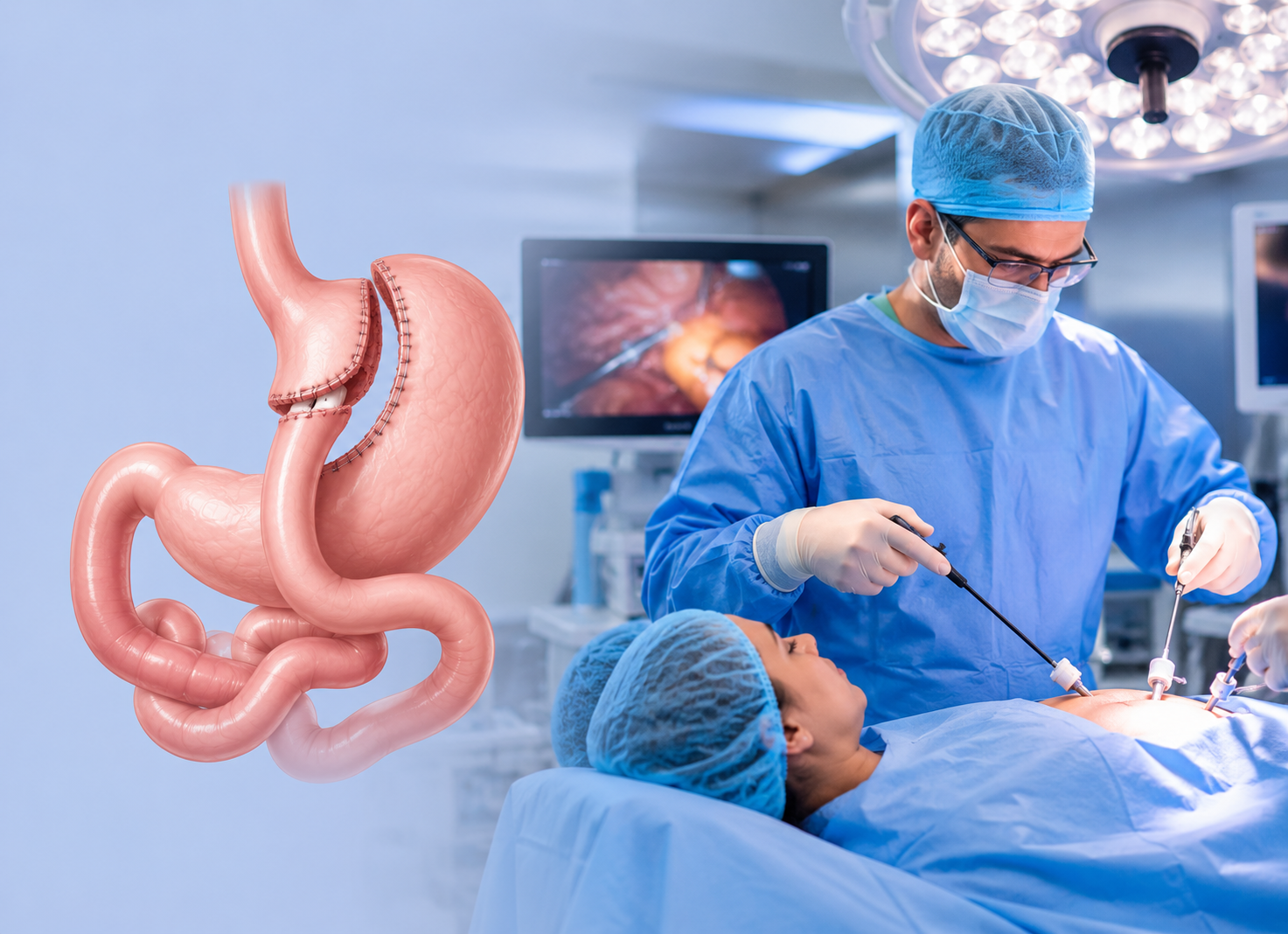
Gastric bypass surgery, also known as Roux-en-Y gastric bypass, is a type of bariatric surgery designed to help patients lose weight by changing how the stomach and digestive system function.
During the procedure:
A small pouch is created at the top of the stomach. The small intestine is rerouted to connect with this pouch. Food bypasses part of the stomach and intestine.
This approach helps patients eat smaller portions, feel full faster, reduce calorie absorption, and improve hormone regulation related to hunger and blood sugar.
It is commonly recommended for individuals who have not achieved lasting weight loss through diet and exercise alone.
Who May Be a Candidate for Gastric Bypass Surgery?
When searching for gastric bypass surgery near me, many people wonder whether they qualify for the procedure.
Candidates may include individuals who have a high body mass index (BMI), struggle with obesity-related conditions like diabetes or high blood pressure, experience sleep apnea or joint pain related to weight, or have difficulty maintaining weight loss through non-surgical methods.
Eligibility is determined through medical evaluations, health history reviews, and consultation with a qualified bariatric surgeon.
Benefits of Gastric Bypass Surgery
One reason many patients consider gastric bypass surgery near me is because of the long-term health improvements associated with the procedure.
Significant Weight Loss
Most patients experience major weight reduction within the first 12–18 months after surgery. This weight loss can improve mobility, confidence, and daily quality of life.
Improvement in Obesity-Related Conditions
Gastric bypass surgery may help improve or manage type 2 diabetes, high blood pressure, high cholesterol, sleep apnea, and joint discomfort. Many patients notice positive health changes relatively soon after surgery.
Better Portion Control
Because the stomach pouch becomes much smaller, patients naturally eat less food. This helps support healthier eating habits and calorie management.
Hormonal and Metabolic Benefits
The surgery also affects hormones involved in appetite and blood sugar regulation. This can reduce hunger and help patients feel satisfied with smaller meals.
Long-Term Lifestyle Improvement
For many individuals, gastric bypass surgery becomes the beginning of a healthier and more active lifestyle supported by medical guidance and nutritional care.
Risks and Possible Complications
Although gastric bypass surgery is generally considered safe when performed by experienced professionals, every surgery carries some level of risk.
When researching gastric bypass surgery near me, it’s important to understand both the benefits and the potential complications.
Possible risks may include infection, bleeding, blood clots, nutritional deficiencies, dumping syndrome, digestive discomfort, ulcers, and leakage at surgical connections.
Long-term success also depends on following dietary guidelines and attending follow-up appointments regularly.
A trusted bariatric clinic will explain these risks clearly and help patients prepare both physically and mentally before surgery.
What to Expect Before Surgery
Before undergoing gastric bypass surgery, patients typically complete several important steps.
Medical Evaluation
The surgical team reviews medical history, current medications, existing health conditions, and weight-loss history.
Nutritional Counseling
Patients often receive guidance on portion control, meal planning, hydration, and vitamin supplementation.
Lifestyle Preparation
Doctors may recommend pre-surgery weight loss, smoking cessation, exercise improvements, and mental health support if needed. Preparation plays a major role in achieving safe surgery and better long-term results.
Recovery After Gastric Bypass Surgery
Recovery is an important part of the weight-loss journey. Patients searching for gastric bypass surgery near me should understand that healing takes time and commitment.
Hospital Stay
Most patients stay in the hospital for a short period after surgery so medical staff can monitor recovery and manage discomfort.
Diet Progression
Patients gradually transition through stages: clear liquids, full liquids, soft foods, and eventually solid healthy meals. Following the prescribed diet carefully helps prevent complications.
Physical Activity
Light walking is usually encouraged soon after surgery to improve circulation and support healing. More intense activities are introduced gradually.
Follow-Up Appointments
Regular follow-ups help monitor weight-loss progress, nutritional health, healing, and lifestyle adjustments. Long-term medical support is essential for successful results.
Lifestyle Changes After Gastric Bypass Surgery
Gastric bypass surgery is not a shortcut; it is a medical tool that requires ongoing lifestyle commitment.
Patients are typically encouraged to eat smaller portions, prioritize protein-rich foods, avoid sugary beverages, stay hydrated, exercise consistently, and take vitamins regularly.
Without these changes, maintaining long-term results can become difficult.
How to Choose the Right Bariatric Clinic
When searching online for gastric bypass surgery near me, choosing the right clinic is one of the most important decisions you can make.
Look for experienced bariatric surgeons, accredited surgical facilities, clear patient communication, structured aftercare programs, and personalized treatment planning.
Professional bariatric clinics like Mission Surgical Clinic focus on patient-centered care, education, and long-term wellness support throughout the surgical journey.
Questions to Ask During Your Consultation
Before deciding on surgery, ask important questions such as: Am I a suitable candidate for gastric bypass surgery? What risks apply to my specific health condition? How long will recovery take? What dietary changes will I need to follow? What support is available after surgery?
These discussions help patients set realistic expectations and make informed decisions.
Final Thoughts
Searching for gastric bypass surgery near me is often the beginning of a major health transformation. Gastric bypass surgery can provide significant weight loss and improve obesity-related health conditions, but long-term success depends on proper medical care, lifestyle adjustments, and ongoing commitment.
Understanding the benefits, risks, and recovery process allows patients to approach surgery with confidence and realistic expectations.
If you are considering bariatric surgery, consulting with experienced professionals at Mission Surgical Clinic can help you better understand your options and determine the right path for your weight-loss journey.
FAQs
1. How do I know if I qualify for gastric bypass surgery?
Eligibility is usually based on factors such as BMI, obesity-related health conditions, and previous weight-loss efforts. A bariatric surgeon will evaluate your overall health during consultation.
2. Is gastric bypass surgery permanent?
Yes, gastric bypass surgery permanently changes the digestive system. However, maintaining results still requires long-term lifestyle and dietary changes.
3. How much weight can patients lose after gastric bypass surgery?
Many patients lose a significant percentage of excess body weight within 12–18 months, though results vary depending on lifestyle habits and overall health.
4. How long does recovery take after gastric bypass surgery?
Most people return to normal daily activities within a few weeks, but full recovery and dietary adjustment may take several months.
5. Are there dietary restrictions after gastric bypass surgery?
Yes. Patients must follow specific nutrition guidelines, including smaller meals, proper hydration, vitamin supplementation, and avoiding certain foods to support healing and long-term success.
Related posts


