

Bariatric Surgery Near You: Weight Loss Surgery Options, Benefits & Recovery
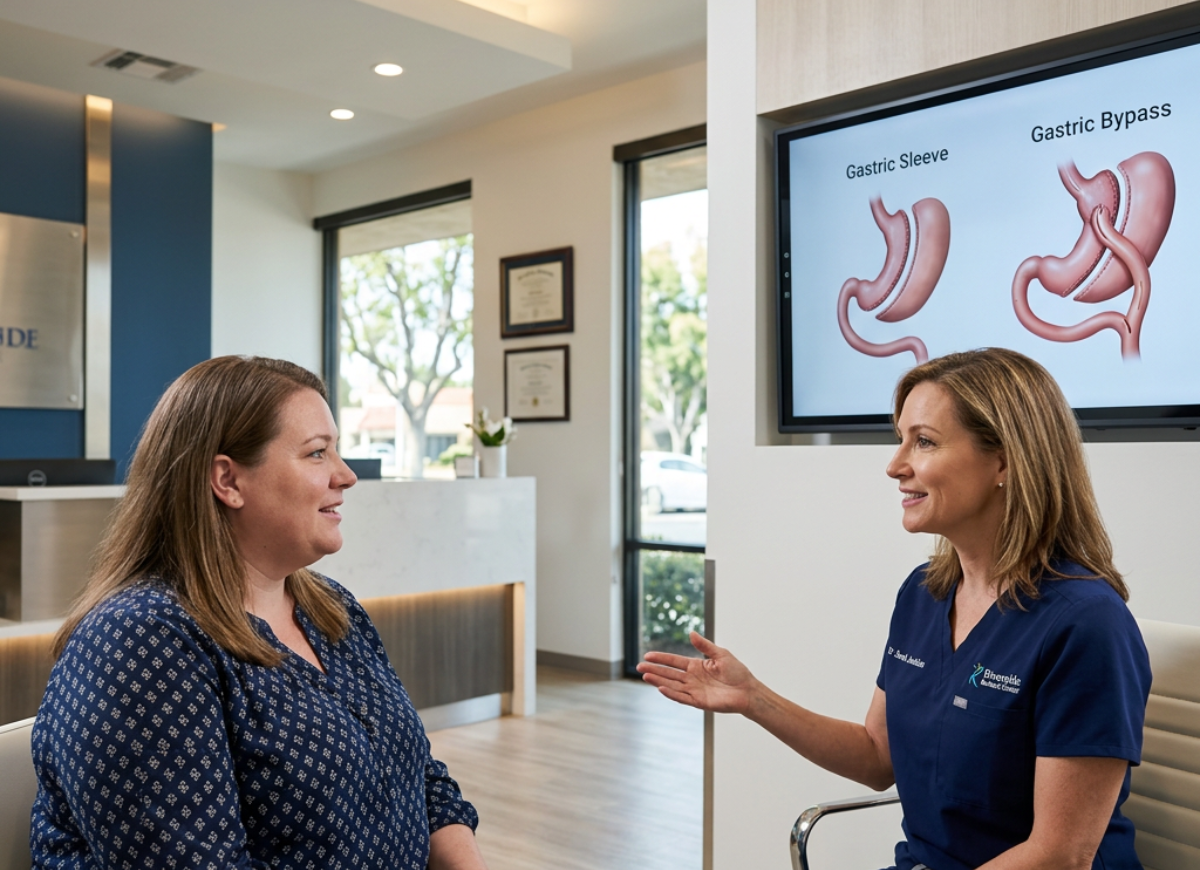
Understanding Weight Loss Surgery in Riverside, CA
Weight loss surgery is not a quick fix. It is a medical tool for people living with obesity who have not reached their goals through diet, exercise, and other non-surgical methods. In clinical terms, bariatric surgery changes the digestive system to help reduce food intake, support healthier habits, and improve obesity-related conditions. NIDDK describes it as a group of operations designed to help people lose weight by making changes to the digestive system.
For patients searching for weight loss surgery in Riverside, CA, the most important question is not just “What procedure is available?” It is also “What is medically appropriate for my body, my health history, and my long-term goals?” That is the kind of conversation Mission Surgical Clinic supports through its bariatric care, along with broader surgical services in Riverside and Corona.
What Weight Loss Surgery Is Designed to Do
Bariatric surgery is built around a simple idea: help the body lose weight in a way that can be sustained. Some procedures limit how much food the stomach can hold. Others reduce how much the body absorbs. A few do both. The result is often a meaningful weight reduction, plus improvement in conditions linked to obesity, such as type 2 diabetes, high blood pressure, sleep apnea, heart disease, and joint strain.
Mission Surgical Clinic’s bariatric pages emphasize long-term, healthy weight loss rather than a short-lived change on the scale. The clinic describes minimally invasive bariatric surgery as a way to promote safe, lasting weight loss, faster recovery, and improved long-term health.
Procedures Commonly Discussed in Riverside
When people hear the term “weight loss surgery,” they often think of one operation. In reality, several procedures exist, and the best choice depends on the patient. NIDDK says the most commonly performed bariatric operations in the United States are gastric sleeve, gastric bypass, and adjustable gastric band surgery, with duodenal switch used less often.
At Mission Surgical Clinic, the bariatric pages specifically highlight sleeve gastrectomy and gastric bypass as key weight-loss procedures. The clinic also explains bariatric surgery in a broader educational sense, including other procedure types, so patients can better understand the spectrum of options before they meet with a surgeon.
Sleeve Gastrectomy
Sleeve gastrectomy removes a portion of the stomach and leaves a smaller, tube-shaped stomach behind. That smaller stomach helps patients feel full after eating less food. NIDDK lists it among the most common weight-loss surgeries in the country.
This procedure is often discussed with patients who want a simpler anatomy than some other bariatric operations. It may appeal to people who want a strong weight-loss result with a minimally invasive approach, though the right choice always depends on the patient’s medical profile.
Gastric Bypass
Gastric bypass creates a small pouch from the stomach and reroutes part of the small intestine. NIDDK includes it among the most common bariatric operations, and Mission Surgical Clinic features it as one of its core weight-loss procedures.
For some patients, gastric bypass may offer stronger metabolic benefits. It is often considered when weight loss needs to be paired with better control of obesity-related disease. As with any operation, the final recommendation should come from a surgical evaluation, not from an online comparison chart.
Other Bariatric Procedures
NIDDK also describes adjustable gastric band surgery and duodenal switch as part of the broader bariatric landscape. The adjustable band is now used less often in the U.S. because it is linked to more complications and less weight loss than sleeve gastrectomy or gastric bypass.
That matters because it reinforces an important point: not every procedure is equally suitable for every patient. A good bariatric plan is individualized, not generic.
Who May Be a Candidate
Not everyone who wants to lose weight is a candidate for surgery. NIDDK says adult candidates generally include people with a body mass index of 40 or more, or 35 or more with a serious health problem linked to obesity, such as type 2 diabetes, heart disease, or sleep apnea. It also notes that some adults with a BMI of 30 or more and difficult-to-control type 2 diabetes may be candidates.
Mission Surgical Clinic’s bariatric page also explains that eligibility is based on BMI and obesity-related health conditions. That means a consultation is not just about the number on the scale. It is about the whole health picture.
What the Costs Usually Depend On
Mission Surgical Clinic does not publish a flat price for bariatric surgery on its website. Instead, the clinic asks patients to contact the office in advance to confirm insurance coverage or any payment questions, and it notes that IEHP is accepted.
That is the most honest way to talk about cost. For weight loss surgery in Riverside, CA, the real price depends on the procedure recommended, the workup required before surgery, facility and anesthesia charges, and how insurance applies to the case. In other words, the cost is individualized because the treatment plan is individualized.
A practical way to think about cost is this:
The surgeon first reviews candidacy and procedure fit
The office checks insurance and payment details
Pre-op testing and clearances are completed if needed
The final plan is confirmed before surgery day
That process protects both the patient and the quality of care. It also prevents the false promise of a one-size-fits-all package price.
What Results Patients Can Realistically Expect
Weight loss surgery can produce substantial results, but the timeline matters. ASMBS says most patients lose the most weight in the first one to two years after surgery and see major improvements in obesity-related conditions. Its fact sheet reports that patients may lose as much as 60% of excess weight by six months and 77% by 12 months, with about 50% of excess weight loss maintained at five years on average.
That does not mean every patient has the same outcome. Results vary by procedure, starting health, nutrition habits, activity level, and follow-up care. Surgery opens the door, but daily choices help determine how far the progress goes.
The benefits often go beyond weight loss alone. NIDDK and ASMBS both note that bariatric surgery can improve or even resolve obesity-related conditions such as type 2 diabetes, hypertension, dyslipidemia, and sleep apnea.
What Recovery and Safety Look Like
Every surgery has risks, and bariatric surgery is no exception. NIDDK lists possible side effects and complications such as bleeding, infection, leaks, diarrhea, and blood clots. Mission Surgical Clinic also reminds patients that surgery involves preparation, careful evaluation, and ongoing follow-up.
Recovery is usually best handled in stages. Patients are commonly guided through diet changes, activity adjustments, and follow-up visits so the body can heal while the new eating pattern becomes routine. Mission Surgical Clinic emphasizes that postoperative life includes diet modification, regular exercise, and frequent medical follow-up.
A thoughtful recovery plan often includes:
Following the surgeon’s diet instructions closely
Staying hydrated and moving as directed
Attending follow-up appointments
Reporting concerning symptoms early
How to Prepare for a Consultation
A strong consultation should be honest, not rushed. Bring your medical history, your current medications, your questions about risks, and your concerns about long-term habits. Mission Surgical Clinic says preparation may include medical history review, physical examination, psychological evaluation, and lifestyle or dietary changes before surgery.
It also helps to ask about the procedure best matched to your goals, expected recovery time, nutrition support, and how insurance will be handled. The more complete the conversation, the more useful the plan.
A Practical Next Step
For readers comparing options in Riverside, the most responsible next move is not to chase the cheapest offer or the fastest promise. It is important to choose a clinic that explains the procedure clearly, verifies coverage honestly, and recommends surgery only when it fits the patient’s health goals. That is the kind of approach Mission Surgical Clinic presents on its bariatric pages and practice information.
If you are exploring weight loss surgery in Riverside, CA, Mission Surgical Clinic’s Riverside and Corona locations make it possible to start with a focused consultation and a medically grounded plan. The Riverside address listed on the site is 7300 Magnolia Ave, Riverside, CA 92504.
Final Thoughts
Weight loss surgery can be life-changing when it is chosen for the right reasons and managed with the right support. The best outcomes come from a plan that matches the patient, explains the costs clearly, and sets realistic expectations about results and recovery. Mission Surgical Clinic’s bariatric resources are built around that exact kind of clarity.
For patients in Riverside, the smartest path forward is a consultation that treats the decision seriously, answers the financial questions up front, and focuses on safe, sustainable progress rather than hype. That is where lasting change usually begins.
Frequently Asked Questions
1. How do I know if I qualify for weight loss surgery in Riverside, CA?
Most patients may qualify if they have a BMI of 40 or higher, or a BMI of 35+ with obesity-related health conditions such as diabetes, sleep apnea, or high blood pressure. A consultation at Mission Surgical Clinic can determine eligibility based on your full medical history.
2. How much does weight loss surgery cost in Riverside, CA?
The cost depends on the procedure, pre-operative testing, insurance coverage, and hospital-related fees. Mission Surgical Clinic recommends contacting their office directly to verify insurance benefits and discuss payment-related details.
3. Which weight loss surgery procedure is most effective?
There is no single “best” procedure for everyone. Sleeve gastrectomy and gastric bypass are two of the most common options, and the right choice depends on your health condition, weight-loss goals, and lifestyle needs.
4. How long does it take to recover after bariatric surgery?
Recovery time varies by procedure and individual health. Many patients return to light activities within 1–2 weeks, while full recovery and adjustment to dietary changes can take several weeks under medical supervision.
5. How much weight can I expect to lose after surgery?
Results vary depending on the procedure and commitment to lifestyle changes. Many patients experience significant weight loss within the first 12–18 months when they follow post-surgery nutrition and activity guidelines.
Related posts


