
Vascular and General Surgeons in Corona, Murrieta and Loma Linda, CA
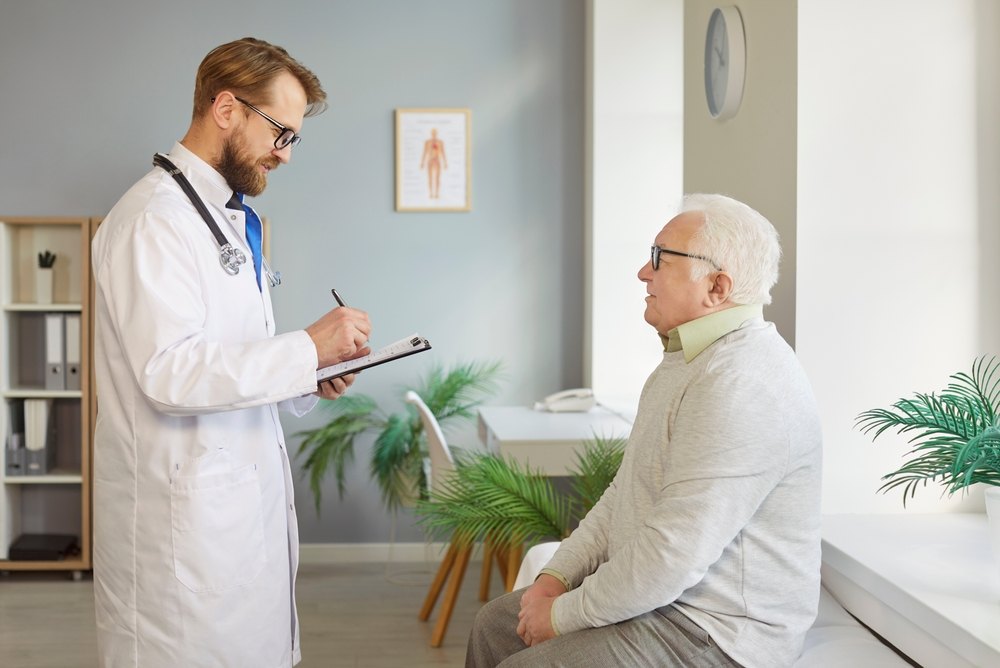
For many families in the High Desert, specialty care has meant a long drive down the Cajon Pass. That trip is hard for anyone, and it is even harder when you have a painful leg wound or swollen legs. Mission Surgical Clinic offers wound care in Apple Valley and Barstow, along with vascular care, so patients can get expert help closer to home.
This guide explains which wounds need a specialist, how circulation affects healing, what to expect at a visit and where our High Desert offices are located.
Quick answer: Mission Surgical Clinic has High Desert offices at 15982 Quantico Rd, Suite D, Apple Valley, and 805 E Mountain View St, Barstow. Our team treats slow-healing wounds, diabetic foot ulcers and the vein and artery problems that often cause them. A wound that has not improved in about two weeks or healed in about four weeks should be checked by a specialist.
Key Takeaways
- Mission Surgical Clinic sees patients in Apple Valley and Barstow, as well as Riverside and other Inland Empire cities.
- Many chronic wounds are linked to poor circulation, diabetes or vein disease.
- Treating the root cause, not only the wound surface, gives the best chance of healing.
- Desert heat, dry air and long distances can make wound care harder, so local follow-up matters.
- Seek urgent care for spreading redness, fever, a foul smell or black tissue around a wound.
Where Are the Apple Valley and Barstow Offices?
| Office | Address | Nearby communities |
|---|---|---|
| Apple Valley | 15982 Quantico Rd, Suite D, Apple Valley, CA 92307 | Victorville, Hesperia, Adelanto, Lucerne Valley, Spring Valley Lake |
| Barstow | 805 E Mountain View St, Barstow, CA 92311 | Lenwood, Hinkley, Yermo, Daggett, Helendale |
Our main office is at 7300 Magnolia Ave in Riverside, and we also see patients in Corona, Murrieta and Loma Linda. For maps, directions and office details, visit our Apple Valley and Barstow location pages, or see all locations.
Which Wounds Need a Wound Care Specialist?
Most cuts and scrapes heal within a couple of weeks. However, some wounds stall. In general, you should see a specialist if you have:
- A sore that has not shrunk in two weeks or closed in four weeks
- A foot ulcer and diabetes, even if it does not hurt
- A wound on the lower leg with swelling or darkened skin around it
- A wound that keeps reopening in the same spot
- A pressure injury from sitting or lying in one position
- A surgical wound that has opened or is not healing
For more detail, read our guide on when to see a chronic wound specialist.
Why Do Some Wounds Not Heal?
Healing depends on oxygen, nutrients and a healthy immune response. When one of these is missing, a wound can stall. The most common reasons include:
- Diabetes: high blood sugar slows healing, and nerve damage can hide foot injuries.
- Peripheral artery disease: narrowed arteries reduce blood flow to the legs and feet.
- Vein disease: weak vein valves cause pooling and swelling that break down skin near the ankles.
- Pressure: constant pressure cuts off blood flow to skin over bony areas.
- Infection: bacteria in the wound can block healing.
- Smoking and poor nutrition: both reduce the body’s ability to repair tissue.
This is why a vascular surgeon is often part of wound care. If blood flow is the problem, restoring circulation may be the key to healing.
How Does the Desert Climate Affect Wound Healing?
Life in the High Desert brings hot summers, cold winter nights, wind and very dry air. These conditions can affect wounds and skin in several ways. For example, dehydration in summer heat can slow healing. Dry, cracked skin on the feet can open the door to infection, especially for people with diabetes. Meanwhile, sweating under bandages can soften the skin around a wound.
Simple habits help:
- Drink plenty of water, especially in hot weather.
- Moisturize the feet daily, but not between the toes.
- Check your feet every day for cuts, blisters or color changes.
- Avoid walking barefoot on hot pavement or sand.
- Keep dressings clean and dry, and change them as directed.
Our article on how hot weather affects wound healing covers this in more depth.
What Happens at a Wound Care Visit?
At your first visit, the care team looks at the wound and also at the bigger picture. A typical evaluation includes:
- Measuring the wound and checking for signs of infection
- Reviewing your health history, including diabetes and medications
- Checking pulses and circulation, sometimes with an ankle-brachial index or ultrasound
- Cleaning and removing unhealthy tissue when needed (debridement)
- Choosing the right dressing and, for leg ulcers, compression when appropriate
- Planning follow-up visits to track progress
If circulation is poor, your surgeon may discuss procedures to restore blood flow. In selected cases, hyperbaric oxygen therapy may be considered as an added treatment. Your care team will explain where each service is offered.
What Vascular Conditions Can Be Evaluated in the High Desert?
Wounds are not the only reason to see our team. Patients from Apple Valley, Victorville, Hesperia and Barstow also come to us for:
- Peripheral artery disease, including leg pain with walking
- Varicose veins and leg swelling
- Carotid artery disease and stroke prevention
- Dialysis access for patients with kidney failure
Because these conditions often overlap, one visit can address more than one concern.
How Can Caregivers Help at Home?
Many High Desert patients rely on a spouse, adult child or home health nurse between visits. Caregivers play a big role in healing. For instance, they can help check feet daily, keep dressings clean and make sure meals include enough protein. They can also help track blood sugar and remind patients to keep legs elevated when swelling is a problem.
In addition, caregivers are often the first to notice warning signs. If a wound looks larger, smells different or the skin around it turns red, call the care team the same day. Bringing a caregiver to appointments also helps, because two people remember instructions better than one.
When Is a Wound an Emergency?
Go to the emergency room or call 911 if you notice:
- Redness or warmth that spreads quickly
- Fever or chills
- A foul smell or thick drainage
- Black or gray tissue around the wound
- Sudden severe pain, coldness or color change in the foot or leg
These can signal a serious infection or a sudden loss of blood flow.
Frequently Asked Questions
Does Mission Surgical Clinic offer wound care in Apple Valley?
Yes. Mission Surgical Clinic has an office at 15982 Quantico Rd, Suite D, Apple Valley, CA 92307. All of our services, including wound care, are available at this location.
Is there a Mission Surgical Clinic office in Barstow?
Yes. Our Barstow office is at 805 E Mountain View St, Barstow, CA 92311, serving patients from Lenwood, Hinkley, Yermo and nearby areas.
How long should a wound take to heal?
Most minor wounds heal within two to four weeks. A wound that has not improved in two weeks or healed in four weeks should be checked by a specialist.
Why does a vascular surgeon treat wounds?
Many slow-healing leg and foot wounds are caused by poor circulation or vein disease. A vascular surgeon can find and treat the blood flow problem behind the wound.
Do I need a referral for wound care?
Some insurance plans, including many HMO plans, require a referral from your primary care doctor. Our staff can help you check your plan’s rules.
Does Mission Surgical Clinic accept IEHP in the High Desert?
Mission Surgical Clinic accepts Inland Empire Health Plan (IEHP) and many other insurance plans. Call our office to verify coverage for your visit.
What should I bring to my first wound care visit?
Bring your insurance card, photo ID, a list of medications, any recent lab or imaging results, and a description of how and when the wound started.
Get Wound and Vascular Care Closer to Home
You should not have to drive down the hill for every wound check. Call Mission Surgical Clinic at (888) 294-5296 or request an appointment online to schedule a visit in Apple Valley or Barstow. You can also read about our advanced wound care services.
This article is for general education and is not a substitute for medical advice. Office hours may vary, so please call to confirm before your visit.
Related posts


