

Lumpectomy vs. Mastectomy: How to Choose Your Breast Cancer Surgery
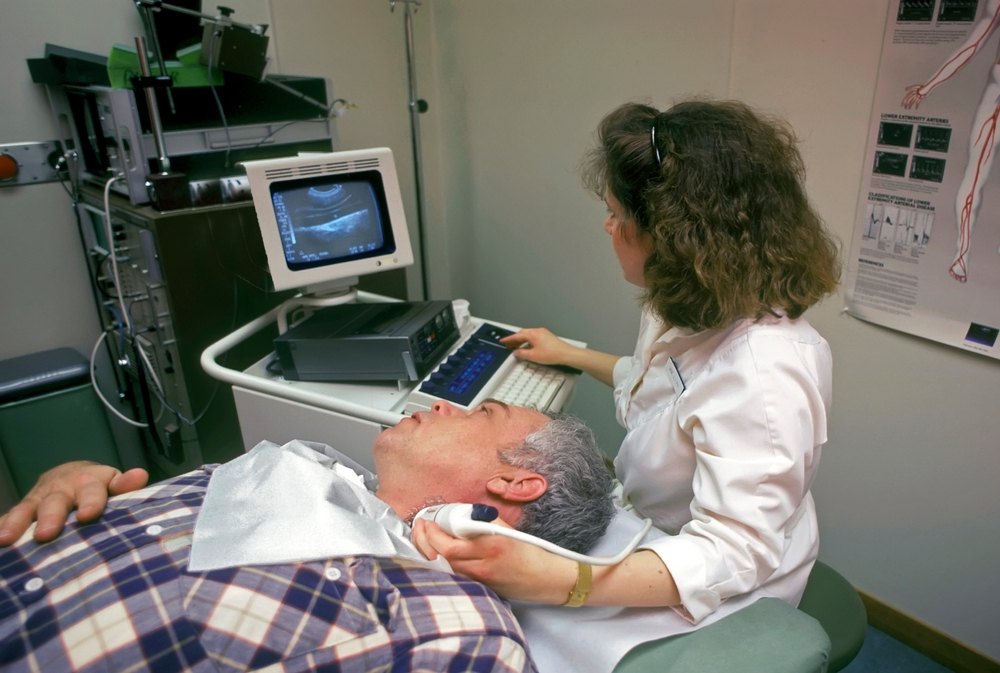
Narrowing in the carotid arteries is a leading, and often silent, cause of stroke. For years, the main fix was open surgery on the neck. Today, the TCAR procedure offers some patients a less invasive option with built-in protection for the brain.
This guide explains what TCAR is, who may be a candidate, how it compares with other treatments and what recovery looks like. It also covers TCAR at Mission Surgical Clinic, where our vascular surgeon Dr. Francisco Vega was the first vascular surgeon in the Inland Empire to perform TCAR.
Quick answer: TCAR (TransCarotid Artery Revascularization) is a minimally invasive procedure that places a stent in a narrowed carotid artery through a small incision at the base of the neck. During the procedure, blood flow is temporarily reversed away from the brain to catch loose debris. It is designed for patients with significant carotid disease who face higher risks with traditional surgery.
Key Takeaways
- Carotid artery disease is a buildup of plaque in the neck arteries that supply the brain.
- TCAR opens the artery with a stent placed through a small neck incision rather than a long cut or a groin approach.
- Temporary flow reversal helps protect the brain from plaque pieces during the procedure.
- It is often considered for older patients or those with heart, lung or anatomy concerns.
- Most patients stay one night and return to normal activity within days to a few weeks.
What Is Carotid Artery Disease?
You have two carotid arteries, one on each side of your neck. They carry oxygen-rich blood to the brain. Over time, fatty plaque can build up inside them, a process called atherosclerosis. This narrowing is known as carotid stenosis.
The danger is not only reduced blood flow. Pieces of plaque can break off and travel to the brain, causing a stroke or a mini-stroke (TIA). Many people have no symptoms until that happens. For that reason, screening matters for people with risk factors such as high blood pressure, diabetes, high cholesterol, smoking or a history of heart disease.
What Are the Warning Signs of a Carotid Problem?
A TIA or stroke may be the first sign. Call 911 right away if you or someone near you has:
- Sudden numbness or weakness in the face, arm or leg, especially on one side
- Trouble speaking or understanding speech
- Sudden loss of vision in one eye, like a shade coming down
- Sudden dizziness, loss of balance or a severe headache
Even if symptoms go away within minutes, a TIA is a warning. Prompt evaluation can help prevent a larger stroke.
What Is the TCAR Procedure?
TCAR stands for TransCarotid Artery Revascularization. It combines the stent approach of carotid stenting with the direct access of open surgery.
How TCAR Works, Step by Step
- The surgeon makes a small incision just above the collarbone to reach the carotid artery directly.
- A thin tube is placed in the carotid artery and connected to a system that leads to a vein in the groin.
- Blood flow in the carotid artery is temporarily reversed, so any loose plaque is pulled away from the brain and filtered.
- A stent is placed across the narrowed area to hold the artery open.
- Normal flow is restored, the tubes are removed and the small incision is closed.
Because the approach avoids threading wires through the aortic arch, it reduces one known source of stroke risk with transfemoral stenting.
How Does TCAR Compare With Other Carotid Treatments?
There are three main procedures for carotid narrowing. Each has a role, and the best choice depends on your health and anatomy.
| Procedure | How it is done | Often considered for |
|---|---|---|
| Carotid endarterectomy (CEA) | Open surgery through a neck incision to remove the plaque | Many patients; a long-established standard |
| Transfemoral carotid stenting (TF-CAS) | Stent placed through a catheter from the groin | Selected patients who are not good surgical candidates |
| TCAR | Stent placed through a small neck incision with flow reversal | Higher-risk patients, including older adults or those with heart or lung disease |
A large study published in JAMA found that TCAR was associated with a lower risk of in-hospital stroke or death compared with transfemoral stenting. Your surgeon will discuss how these findings apply to you. Our article on carotid artery surgery covers endarterectomy in more detail.
Who Is a Good Candidate for TCAR?
TCAR is not for everyone. In general, it may be considered if you:
- Have significant carotid narrowing, with or without symptoms
- Have had a TIA or stroke linked to carotid disease
- Are older or have heart, lung or kidney conditions that raise surgical risk
- Have had prior neck surgery or radiation that makes open surgery harder
- Have artery anatomy suited to the TCAR approach
Before recommending treatment, your surgeon will order imaging such as a carotid duplex ultrasound, CT angiography or MR angiography. These tests show how narrow the artery is and whether TCAR is technically possible.
What Is Recovery Like After TCAR?
Most patients stay in the hospital one night. Because the incision is small, neck discomfort is usually mild. Many people return to light daily activity within a few days. Your surgeon will also prescribe blood-thinning medicine to keep the stent open, and you will have follow-up ultrasounds to check the artery.
Afterward, lifestyle changes remain important. Managing blood pressure, cholesterol and diabetes, staying active and not smoking all help protect your arteries.
Are There Risks?
Like any procedure, TCAR has risks. These include stroke, heart attack, bleeding, nerve irritation in the neck and narrowing of the artery again over time. However, the procedure was designed to reduce stroke risk during treatment. Your vascular surgeon will explain your personal risk level and the alternatives.
TCAR and Carotid Care in Riverside, CA
Mission Surgical Clinic offers carotid artery surgery in Riverside, including TCAR. Dr. Francisco Vega completed his vascular surgery fellowship at Baylor University Medical Center in Dallas and was the first vascular surgeon in the Inland Empire to perform TCAR.
Our main office is at 7300 Magnolia Ave in Riverside. We also see patients in Corona, Murrieta, Loma Linda, Apple Valley and Barstow. We accept Inland Empire Health Plan (IEHP) and many other insurance plans. If you also have leg pain when walking, read about peripheral artery disease treatment, since artery disease often affects more than one area.
Frequently Asked Questions
What does TCAR stand for?
TCAR stands for TransCarotid Artery Revascularization. It is a minimally invasive way to place a stent in a narrowed carotid artery through a small incision at the base of the neck.
Is TCAR safer than carotid endarterectomy?
Both are proven treatments. TCAR may be a better fit for patients with higher surgical risk, while endarterectomy remains a strong option for many others. Your vascular surgeon will recommend the best choice for you.
How long does the TCAR procedure take?
The procedure itself usually takes about an hour, although total time in the hospital is longer because of preparation and recovery. Most patients stay one night.
Will I be awake during TCAR?
TCAR can be done under general anesthesia or local anesthesia with sedation. Your care team will decide which approach is best for you.
How soon can I drive after TCAR?
Many patients can drive within about a week, once they no longer need prescription pain medicine and can turn their head comfortably. Follow your surgeon’s specific advice.
Who performs TCAR in the Inland Empire?
At Mission Surgical Clinic, vascular surgeon Dr. Francisco Vega performs TCAR. He was the first vascular surgeon in the Inland Empire to perform the procedure.
Does insurance cover TCAR?
Many insurance plans, including Medicare, cover TCAR for patients who meet medical criteria. Mission Surgical Clinic accepts IEHP and many other plans, so call us to verify your coverage.
Ask About TCAR at Mission Surgical Clinic
If you have been told you have carotid narrowing, or you have had a TIA, a vascular evaluation can help you understand your options. Call Mission Surgical Clinic at (888) 294-5296 or request an appointment online.
This article is for general education and is not a substitute for medical advice. If you have sudden stroke symptoms, call 911 immediately.
Related posts


