Hyperbaric Oxygen Therapy Near You: Benefits for Wound Healing & Recovery
You notice a few veins on your legs that weren’t there before.
At first, they’re only a cosmetic concern. Then your legs begin to ache after standing. By the end of the day, they feel heavy, swollen, and tired. Maybe you wake up with leg cramps or notice itching around the veins. You start wondering if these symptoms are something you should be worried about.
The truth is, varicose and spider veins are more than a cosmetic issue for many people. They can be early signs of chronic vein disease, a condition that affects healthy blood flow and often gets worse without treatment.
The good news is that today’s vein treatments are faster, safer, and far less invasive than many people expect. Most procedures take less than an hour, require little to no downtime, and allow patients to return to their normal routine the same day.
If you’ve been searching for the best vein specialist Riverside CA, understanding your treatment options is the first step toward healthier legs and lasting symptom relief.
This guide explains what vein specialists do, when you should schedule an evaluation, the treatments available today, and how to choose the right provider for your care.
Key Takeaways
A vein specialist Riverside CA diagnoses and treats varicose veins, spider veins, and other vein conditions that affect circulation.
Leg heaviness, swelling, aching, itching, and visible veins may all be signs of underlying venous disease.
Modern vein treatments are minimally invasive and typically performed in an outpatient setting.
Early treatment can relieve symptoms, improve circulation, and help prevent complications.
Most patients return to normal daily activities shortly after treatment.
Choosing an experienced vein specialist ensures you receive a personalized treatment plan based on your symptoms and ultrasound findings.
What Does a Vein Specialist Do?
A vein specialist is a physician with advanced training in diagnosing and treating diseases that affect the veins, particularly those in the legs.
Healthy veins carry blood back to the heart with the help of tiny one-way valves. When those valves weaken or stop working properly, blood begins to pool inside the veins instead of moving upward. Over time, this increased pressure causes veins to enlarge, twist, and become more noticeable beneath the skin.
A vein specialist Riverside CA focuses on identifying the underlying cause of these circulation problems rather than simply treating their appearance.
After performing a comprehensive evaluation, your provider develops a treatment plan that improves blood flow, relieves uncomfortable symptoms, and helps reduce the risk of future complications.
Common Vein Conditions a Vein Specialist Treats
Many vein disorders begin gradually, making them easy to overlook during the early stages.
The most common conditions include:
Varicose Veins
Varicose veins are enlarged, twisted veins that often appear blue or purple beneath the skin. While some people are bothered by their appearance, many also experience aching, throbbing, swelling, burning, or heaviness in the legs.
Spider Veins
Spider veins are smaller red, blue, or purple veins that branch outward near the surface of the skin. Although they are usually cosmetic, some patients also experience itching or mild discomfort.
Chronic Venous Insufficiency
Chronic venous insufficiency develops when damaged vein valves prevent blood from flowing efficiently back to the heart. This causes blood to collect in the lower legs, leading to swelling, discomfort, skin discoloration, and in advanced cases, leg ulcers.
Venous Leg Ulcers
Poor circulation caused by chronic venous insufficiency can eventually lead to open wounds that heal slowly. These ulcers require specialized vascular care to improve circulation and support healing.
Superficial Vein Inflammation
Inflammation of veins close to the surface of the skin can cause tenderness, redness, warmth, and discomfort. While often less serious than deep vein conditions, it should still be evaluated by a qualified specialist.
Signs It’s Time to See a Vein Specialist
Many people assume visible veins are simply part of aging or genetics. While family history does play a role, symptoms often indicate an underlying circulation problem that deserves medical attention.
Consider scheduling an appointment with a vein specialist Riverside CA if you experience aching or throbbing legs after standing, heavy or tired legs at the end of the day, swelling in the ankles or lower legs, visible varicose or spider veins, leg cramps (especially at night), burning, itching, or tingling around visible veins, skin discoloration near the ankles, slow-healing sores or ulcers on the lower legs, or symptoms that interfere with work, exercise, or daily activities.
Seeking treatment early often means more treatment options, faster relief, and a lower risk of long-term vein complications.
How a Vein Specialist Diagnoses Vein Disease
Choosing the right treatment starts with finding the exact cause of your symptoms. While varicose and spider veins are often visible, they may be a sign of an underlying vein condition that isn’t obvious from the surface.
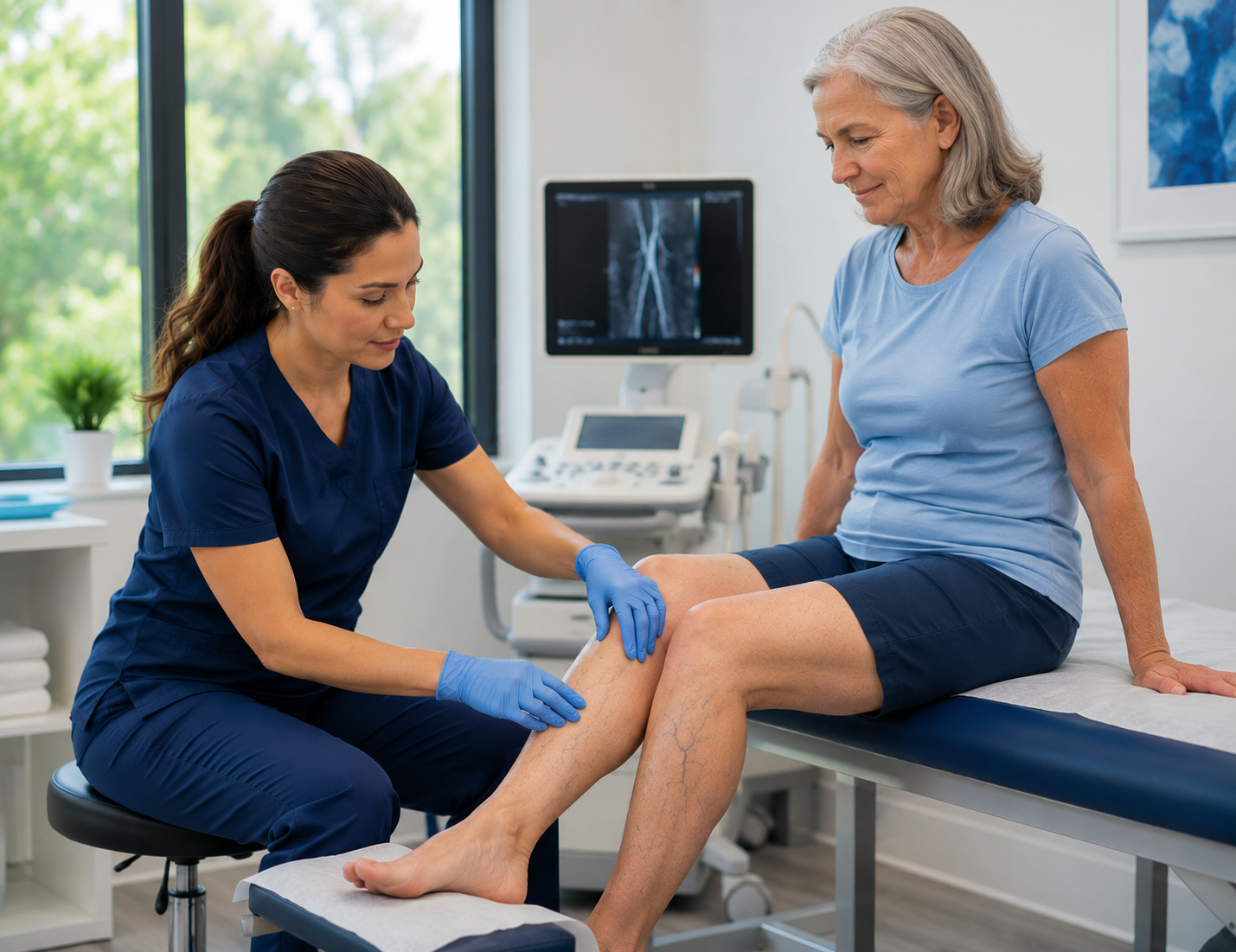
When you visit a vein specialist Riverside CA, your appointment typically begins with a discussion about your symptoms, medical history, lifestyle, and family history of vein disease.
Your specialist may ask when your symptoms began, whether your legs feel worse after standing or sitting for long periods, whether you experience swelling, heaviness, or cramping, whether you’ve noticed skin changes or slow-healing wounds, and whether you’ve had previous vein treatments or blood clots.
A physical examination is followed by imaging to evaluate how well your veins are functioning.
Duplex Ultrasound
The gold standard for diagnosing vein disease is a duplex ultrasound.
This painless, noninvasive test creates detailed images of your veins while measuring blood flow in real time. It allows your provider to identify damaged valves, areas of reflux, and blocked veins that may be causing your symptoms.
Because duplex ultrasound provides such detailed information, your treatment plan is based on the actual source of the problem rather than the appearance of the veins alone.
Treatment Options for Varicose and Spider Veins
Modern vein care has advanced significantly over the past decade. Today’s treatments focus on closing unhealthy veins while allowing blood to naturally reroute through healthier vessels.
Most procedures are performed in the office, require only local anesthesia, and allow patients to return home shortly after treatment.
The best treatment depends on the size of the affected veins, your symptoms, ultrasound findings, and overall vascular health.
Endovenous Laser Therapy (EVLT)
Endovenous Laser Therapy uses laser energy delivered through a small catheter to seal a damaged vein from the inside.
Once the vein is closed, blood naturally flows through healthier veins, improving circulation and reducing symptoms.
The procedure requires only a tiny incision, and most patients return to normal activities within a day.
Radiofrequency Ablation (RFA)
Radiofrequency Ablation uses controlled heat generated by radiofrequency energy to close diseased veins.
Like EVLT, this minimally invasive procedure treats the underlying cause of varicose veins without requiring traditional surgery.
Patients often experience less discomfort, minimal scarring, and a quick recovery.
Sclerotherapy
Sclerotherapy is one of the most common treatments for spider veins and smaller varicose veins.
During the procedure, a specialized solution is injected directly into the affected vein. The vein gradually collapses, seals closed, and is naturally absorbed by the body over time.
Multiple treatment sessions may be recommended depending on the number and size of the veins being treated.
Ambulatory Phlebectomy
For larger varicose veins located close to the surface of the skin, ambulatory phlebectomy may be recommended.
Through several tiny openings in the skin, the damaged vein is carefully removed. The incisions are so small that stitches are often unnecessary, and scarring is typically minimal.
Many patients notice immediate improvement in both symptoms and appearance.
Conservative Vein Care
Not every patient requires a procedure right away.
In some cases, your vein specialist Riverside CA may recommend conservative treatment as the first step, especially if your symptoms are mild.
This may include compression stockings, regular walking and exercise, elevating your legs throughout the day, maintaining a healthy weight, avoiding prolonged sitting or standing, and managing underlying health conditions that affect circulation.
These measures can help relieve symptoms and slow the progression of vein disease, although they do not eliminate damaged veins.
Why Early Treatment Matters
Many people postpone treatment because they believe varicose veins are only a cosmetic concern.
In reality, vein disease is progressive.
Without treatment, symptoms often become more noticeable over time. What starts as occasional aching or visible veins can eventually lead to persistent swelling, skin discoloration, bleeding veins, chronic inflammation, or difficult-to-heal leg ulcers.
Seeking care early offers several advantages: relief from leg pain, heaviness, and swelling; better circulation and improved vein function; lower risk of future complications; less invasive treatment options; improved appearance of the legs; and better quality of life and greater comfort during daily activities.
Early evaluation also helps identify more serious vascular conditions that may require prompt treatment before complications develop.
What Recovery Looks Like
One of the biggest concerns patients have before treatment is how long recovery will take. The good news is that most modern vein procedures are minimally invasive and designed to get you back to your normal routine quickly.
Many patients walk immediately after treatment and return to work or light daily activities within 24 to 48 hours, depending on the procedure performed and the nature of their job.
After treatment, it’s common to experience mild bruising, tenderness, or tightness around the treated area. These symptoms are temporary and typically improve within a few days.
Your vein specialist Riverside CA may recommend wearing compression stockings for a period of time, walking daily to encourage healthy blood flow, avoiding strenuous exercise for several days, limiting prolonged sitting or standing, and attending follow-up appointments to monitor healing.
Following your post-treatment instructions helps promote optimal healing and supports long-term treatment success.
How to Choose the Best Vein Specialist in Riverside, CA
Not all vein clinics offer the same level of expertise. Choosing an experienced provider can make a significant difference in both your treatment experience and your long-term results.
When searching for the best vein specialist Riverside CA, look for a provider who performs comprehensive vein evaluations using duplex ultrasound, offers a full range of minimally invasive treatment options, creates personalized treatment plans instead of recommending the same procedure for every patient, explains your diagnosis and treatment options clearly, has extensive experience treating both cosmetic and medical vein conditions, and provides ongoing follow-up care after treatment.
A quality vein specialist focuses on more than improving the appearance of your legs. The goal is to restore healthy circulation, relieve symptoms, and help prevent future vein problems.
Let’s Talk About Healthier Legs
Living with aching, swollen, or heavy legs doesn’t have to become your new normal. Whether you’re bothered by visible varicose veins, spider veins, or symptoms that interfere with your daily activities, early treatment can make a meaningful difference.
Today’s minimally invasive procedures offer safe, effective solutions with little downtime, allowing many patients to return to their routine quickly while enjoying lasting symptom relief.
At Mission Surgical Clinic, we take the time to understand the cause of your symptoms before recommending treatment. Using advanced vascular imaging and personalized care plans, our team helps patients improve circulation, relieve discomfort, and regain confidence in their leg health.
Let’s talk about your symptoms and find the treatment that’s right for you.
Frequently Asked Questions
When should I see a vein specialist?
You should schedule an appointment if you have varicose veins, spider veins, persistent leg swelling, aching, heaviness, itching, skin discoloration, or slow-healing wounds. These symptoms may indicate underlying vein disease that should be evaluated.
What does a vein specialist do?
A vein specialist Riverside CA diagnoses and treats conditions affecting the veins, including varicose veins, spider veins, chronic venous insufficiency, and venous ulcers. Treatment focuses on improving circulation, relieving symptoms, and preventing complications.
Are vein treatments painful?
Most modern vein procedures cause very little discomfort. They are performed using local anesthesia, and many patients describe feeling only mild pressure during treatment.
How long does it take to recover from vein treatment?
Recovery varies depending on the procedure, but many patients return to normal daily activities within one to two days. Your provider will give you personalized recovery instructions based on your treatment plan.
Will my varicose veins come back after treatment?
The treated veins do not return. However, because vein disease is progressive, new varicose veins can develop over time. Regular follow-up visits and healthy lifestyle habits can help reduce the risk of future vein problems.
Does insurance cover vein treatment?
Many insurance plans cover medically necessary vein treatments when patients have symptoms such as pain, swelling, chronic venous insufficiency, or venous ulcers. Cosmetic treatments for spider veins may not be covered. Your provider can help verify your insurance benefits before treatment begins.
Related posts


