

Leg Pain from Poor Circulation: Causes, Treatments, and When to See a Specialist
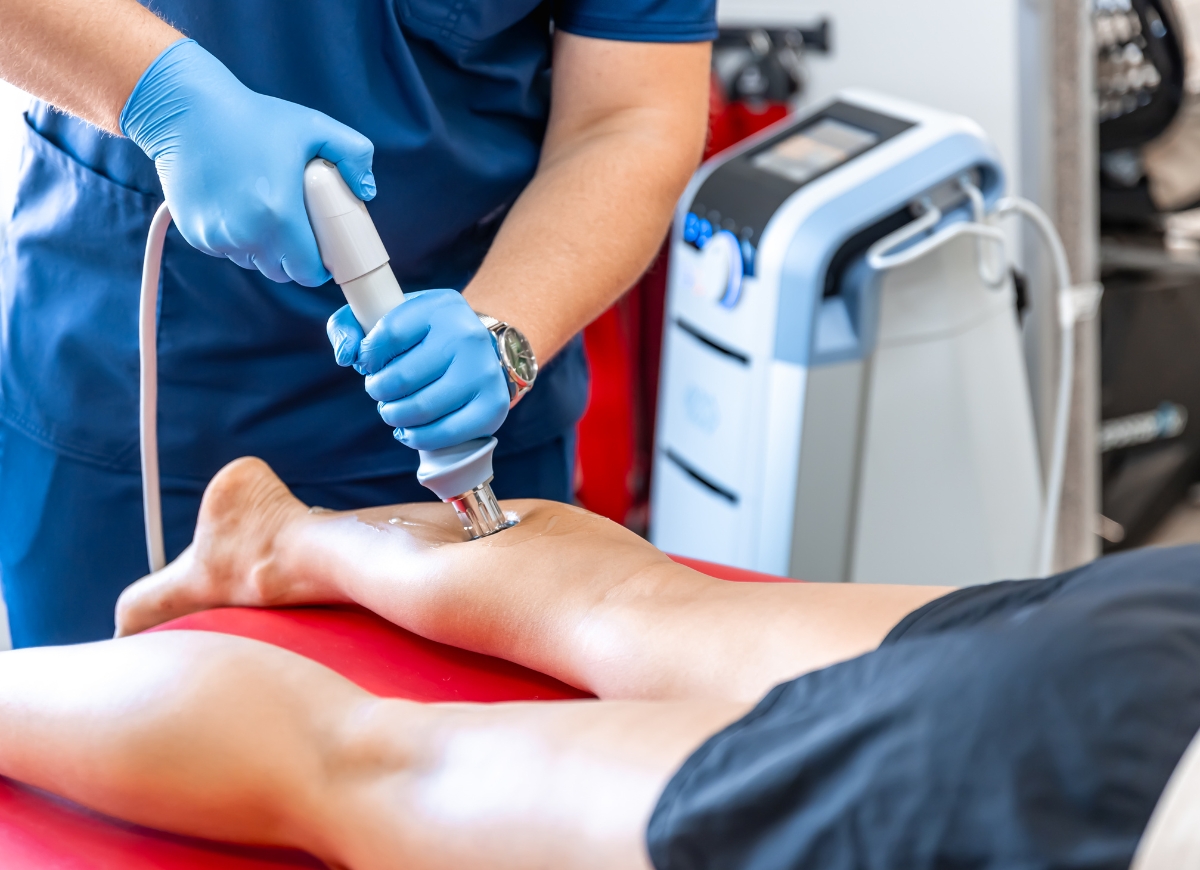
Searching for PAD treatment near me often starts with one simple concern: leg pain, cramping, or fatigue that doesn’t feel normal. For many people, these symptoms are early warning signs of Peripheral Artery Disease (PAD), a circulatory condition that deserves timely, expert care.
PAD affects blood flow to the legs and lower extremities. When left untreated, it can limit mobility and increase the risk of serious cardiovascular complications. The good news? With early diagnosis and the right treatment plan, PAD can often be managed effectively, helping patients stay active and improve overall quality of life.
This guide explains PAD in clear, patient-friendly terms and walks through modern treatment options, what to expect during diagnosis, and how specialized clinics like Mission Surgical Clinic approach PAD care with safety, accuracy, and evidence-based medicine.
Understanding Peripheral Artery Disease (PAD)
Peripheral Artery Disease occurs when arteries that carry blood to the legs become narrowed or blocked due to plaque buildup. This process, called atherosclerosis, reduces oxygen-rich blood flow to muscles and tissues.
PAD is more common than many people realize, especially among adults over 50 and individuals with certain risk factors.
Common Risk Factors for PAD
- Smoking or past tobacco use
- Diabetes
- High blood pressure
- High cholesterol
- Family history of vascular disease
PAD is not just a leg condition. It is closely linked to heart disease and stroke, making early detection especially important.
Symptoms That Often Lead People to Search for PAD Treatment Near Me
PAD symptoms can vary from mild to severe. Some people notice signs gradually, while others experience sudden changes in leg comfort or endurance.
Early and Progressive Symptoms
- Leg pain or cramping during walking (claudication)
- Numbness or weakness in the legs
- Coldness in the lower leg or foot
- Slow-healing sores on feet or toes
- Changes in skin color or texture
These symptoms often improve with rest, which is why PAD is sometimes mistaken for muscle strain or aging-related discomfort.
Why Early PAD Treatment Matters
Ignoring PAD symptoms can lead to more than discomfort. Reduced circulation increases the risk of non-healing wounds, infections, and in advanced cases, tissue damage.
Early PAD treatment focuses on:
- Improving blood flow
- Reducing symptoms
- Lowering cardiovascular risk
- Preserving long-term mobility
Prompt evaluation by a vascular specialist ensures treatment is tailored to the severity of the disease and the patient’s overall health.
How PAD Is Diagnosed
Accurate diagnosis is the foundation of effective PAD treatment. Specialists use non-invasive and minimally invasive tools to confirm the condition and determine its extent.
Common Diagnostic Methods
- Ankle-Brachial Index (ABI): Compares blood pressure in the ankle and arm
- Ultrasound Imaging: Visualizes blood flow in leg arteries
- CT or MR Angiography: Provides detailed arterial images when needed
- Physical Examination: Assesses pulses, skin temperature, and wound healing
Diagnosis is typically straightforward and does not require lengthy hospital stays.
PAD Treatment Options: What Patients Should Know
When people search for PAD treatment near me, they are often looking for solutions that relieve pain, restore mobility, and fit their lifestyle. Treatment plans usually combine medical management, lifestyle adjustments, and, when necessary, procedural care.
Lifestyle-Based PAD Treatment Approaches
For many patients, conservative treatments are the first step.
Supervised Exercise Therapy
Regular, guided walking programs help improve circulation and reduce leg pain over time. Exercise therapy is considered a cornerstone of PAD management.
Risk Factor Management
- Smoking cessation
- Blood pressure control
- Cholesterol management
- Blood sugar regulation for diabetic patients
These steps not only help PAD but also support overall cardiovascular health.
Medication-Based PAD Treatment
Medications play a key role in managing PAD and preventing complications.
Common Medication Categories
- Antiplatelet agents to reduce clot risk
- Cholesterol-lowering medications
- Drugs that improve walking distance in select patients
Medication plans are customized and monitored carefully to ensure safety and effectiveness.
Minimally Invasive PAD Procedures
When symptoms persist despite conservative care, minimally invasive procedures may be recommended. These treatments focus on restoring blood flow with minimal disruption to surrounding tissue.
Common Minimally Invasive Options
- Balloon angioplasty to widen narrowed arteries
- Stent placement to keep arteries open
- Catheter-based techniques guided by imaging
These procedures are often performed on an outpatient basis, allowing faster recovery and less downtime.
Advanced PAD Treatment for Severe Cases
In more advanced PAD, especially when ulcers or tissue damage are present, surgical intervention may be considered.
Surgical Treatment Goals
- Bypass severely blocked arteries
- Restore adequate circulation
- Prevent limb-threatening complications
Surgical decisions are made carefully, based on imaging results, overall health, and symptom severity.
What Makes PAD Care Personalized
No two PAD cases are exactly alike. Effective treatment depends on:
- Disease severity
- Location of arterial blockages
- Patient age and activity level
- Existing medical conditions
At Mission Surgical Clinic, care strategies are designed to align with patient needs while following established clinical guidelines and ethical medical standards.
Recovery and Long-Term PAD Management
PAD treatment does not end after a procedure or medication prescription. Long-term management is essential to maintain results and prevent progression.
Ongoing Care May Include
- Follow-up imaging or vascular exams
- Continued exercise therapy
- Lifestyle coaching
- Medication adjustments
Patients who stay engaged in their care often experience better mobility and long-term outcomes.
When to Seek PAD Treatment Near You
You should consider a professional evaluation if:
- Leg pain limits daily activities
- Symptoms worsen over time
- Wounds heal slowly or not at all
- You have multiple cardiovascular risk factors
Early consultation can prevent complications and open the door to less invasive treatment options.
How to Prepare for a PAD Consultation
Being prepared helps patients get the most from their visit.
Helpful Preparation Tips
- List current symptoms and when they occur
- Bring a medication list
- Share past medical history
- Note family history of vascular disease
Clear communication supports accurate diagnosis and effective care planning.
Choosing the Right PAD Treatment Provider
When searching for PAD treatment near me, look for clinics that prioritize:
- Evidence-based medicine
- Clear patient education
- Comprehensive diagnostic capabilities
- Ethical, non-misleading communication
Mission Surgical Clinic emphasizes patient safety, clarity, and medically sound treatment pathways.
Take the Next Step Toward Better Circulation
Peripheral Artery Disease is manageable, especially when addressed early. Whether symptoms are mild or progressing, professional evaluation can provide clarity and direction.
If you are searching for PAD treatment near me, consider scheduling a consultation with Mission Surgical Clinic to explore diagnostic options and personalized treatment strategies. Taking action today can help protect your mobility, comfort, and long-term vascular health without pressure, confusion, or unnecessary procedures.
Final Thought
PAD is not just about leg pain; it’s about circulation, independence, and overall well-being. With informed care and a proactive approach, many patients successfully manage PAD and continue living active, fulfilling lives.
Frequently Asked Questions (FAQs)
1. What is the most effective PAD treatment near me?
The most effective PAD treatment near me depends on how advanced the disease is. Early-stage PAD is often managed with lifestyle changes, supervised exercise therapy, and medications. More advanced cases may require minimally invasive procedures like angioplasty or, in severe situations, surgical intervention. A vascular specialist determines the best option after proper diagnosis.
2. Can Peripheral Artery Disease be treated without surgery?
Yes, many PAD cases are treated successfully without surgery. Non-surgical treatment may include walking programs, medications to improve blood flow, and management of risk factors such as diabetes, cholesterol, and blood pressure. Surgery is usually considered only when symptoms significantly limit daily life or circulation is critically reduced.
3. How do I know if my leg pain is PAD or something else?
PAD-related leg pain typically occurs during walking or physical activity and improves with rest. This is known as claudication. If leg pain is persistent, worsening, or associated with numbness, coldness, or slow-healing wounds, a vascular evaluation is recommended to rule out PAD or confirm the diagnosis.
4. Is PAD a serious condition if left untreated?
Yes, untreated PAD can lead to serious complications. Reduced blood flow increases the risk of non-healing wounds, infections, and, in advanced cases, tissue damage. PAD is also linked to a higher risk of heart attack and stroke, which is why early diagnosis and treatment are important.
5. When should I see a specialist for PAD treatment?
You should see a specialist if leg pain interferes with walking, symptoms are getting worse, or sores on your feet or legs are slow to heal. People with diabetes, a history of smoking, or cardiovascular disease should consider early evaluation, even if symptoms seem mild.
Related posts


