

Wound Care Clinic Near Me: When to Go and How Specialized Care Helps Healing
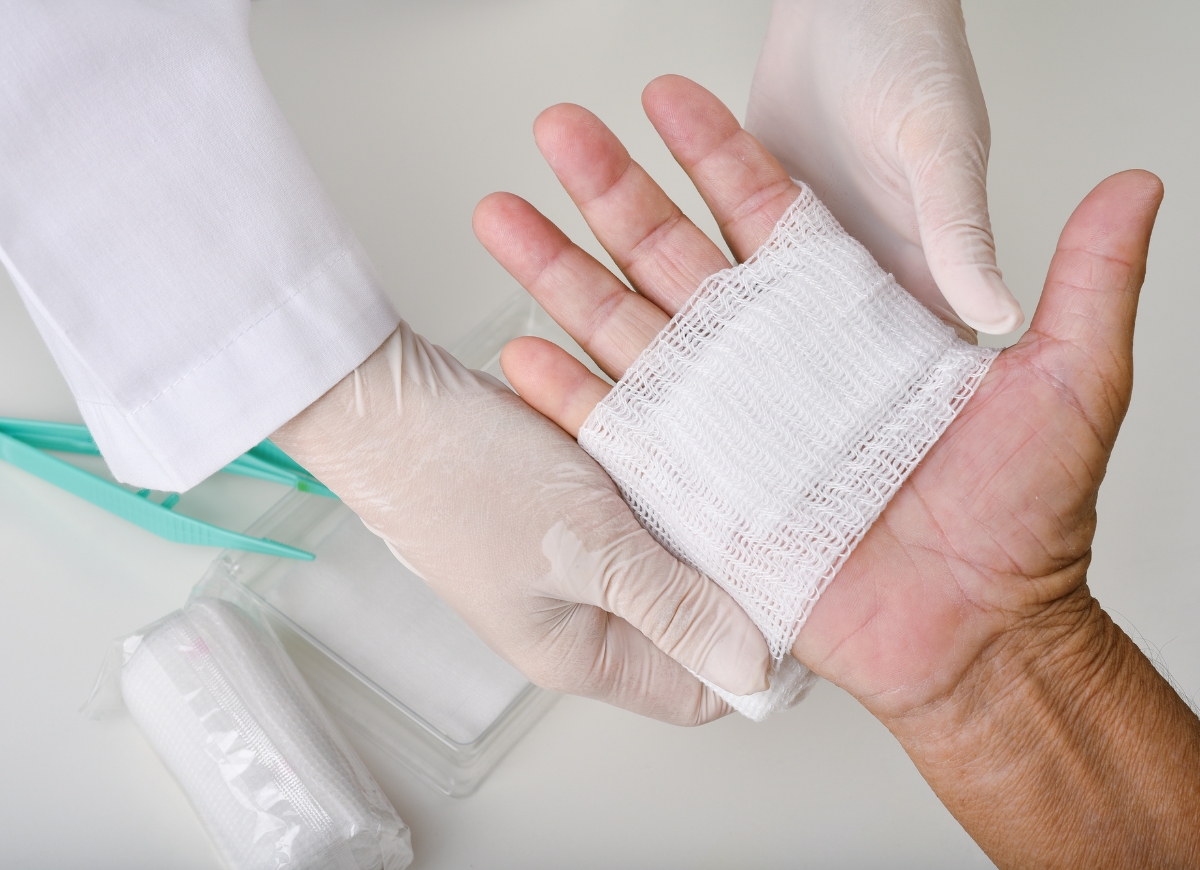
Non-Healing Wound Treatment: Advanced Options That Speed Recovery
When a wound refuses to heal, it’s more than just frustrating; it can become a serious medical concern. From minor cuts that linger to chronic ulcers that resist standard care, non-healing wounds can affect your health, mobility, and quality of life.
The good news? Modern medicine has introduced advanced solutions that go far beyond traditional bandaging. With the right non-healing wound treatment, recovery can be faster, safer, and more effective.
Let’s explore what causes these wounds and the cutting-edge treatments that can finally help them heal.
What Is a Non-Healing Wound?
A non-healing wound, often referred to as a chronic wound, is one that doesn’t show significant improvement within 4–6 weeks or fails to heal completely within a few months.
These wounds commonly include:
- Diabetic foot ulcers
- Pressure sores (bedsores)
- Venous or arterial ulcers
- Surgical wounds that reopen or become infected
Unlike acute wounds, chronic wounds remain stuck in the inflammatory phase, preventing proper tissue repair.
Why Do Some Wounds Fail to Heal?
Understanding the root cause is essential for choosing the right non-healing wound treatment.
1. Poor Blood Circulation
Without proper blood flow, oxygen, and nutrients, the wound can’t heal, slowing down healing.
2. Infection
Bacteria can invade the wound, keeping it inflamed and preventing closure.
3. Underlying Health Conditions
Conditions such as diabetes, vascular disease, and immune disorders significantly delay healing.
4. Repeated Trauma or Pressure
Constant friction or pressure—especially in immobile patients can worsen wounds over time.
Signs You Need Advanced Wound Care
Not all wounds require specialized care, but some clearly do.
Watch for these warning signs:
- The wound hasn’t improved after several weeks
- Persistent pain, redness, or swelling
- Drainage or foul odor
- Dark or dead tissue around the wound
- Fever or other signs of infection
If you notice any of these, it’s time to consider professional non-healing wound therapy.
Advanced Non-Healing Wound Treatment Options
Modern wound care has evolved significantly. At specialized clinics like Mission Surgical Clinic, treatments are tailored to the patient’s condition, ensuring optimal healing.
1. Debridement: Removing Barriers to Healing
Debridement involves removing dead or infected tissue from the wound.
This process:
- Reduces infection risk
- Promotes healthy tissue growth
- Enhances the effectiveness of other treatments
There are several types, including surgical, enzymatic, and autolytic debridement, depending on the wound’s severity.
2. Advanced Wound Dressings
Not all dressings are created equal. Advanced options maintain a moist environment, which is essential for healing.
Common types include:
- Hydrocolloid dressings
- Foam dressings
- Antimicrobial dressings
- Collagen-based dressings
These dressings protect the wound while actively supporting tissue regeneration.
3. Negative Pressure Wound Therapy (NPWT)
Also known as vacuum-assisted closure, this technique uses controlled suction to remove excess fluid and promote blood flow.
Benefits include:
- Faster wound closure
- Reduced swelling
- Lower risk of infection
- Improved tissue growth
NPWT is especially effective for large or deep wounds.
4. Skin Grafts and Tissue Substitutes
For severe wounds, skin grafting may be necessary.
This involves:
- Transferring healthy skin to the wound area
- Using bioengineered tissue substitutes
- Encouraging natural regeneration
These advanced techniques are often used when the body cannot heal the wound on its own.
5. Hyperbaric Oxygen Therapy (HBOT)
HBOT involves breathing pure oxygen in a pressurized chamber.
This increases oxygen levels in the blood, which:
- Accelerates tissue repair
- Fights infection
- Stimulates new blood vessel growth
It’s particularly beneficial for diabetic wounds and radiation injuries.
6. Infection Management and Antibiotic Therapy
Controlling infection is a cornerstone of non-healing wound treatment.
Treatment may include:
- Topical antimicrobial agents
- Oral or intravenous antibiotics
- Regular wound cleaning and monitoring
Early intervention prevents complications and promotes faster recovery.
The Role of Personalized Treatment Plans
No two wounds are the same. That’s why a one-size-fits-all approach rarely works.
At Mission Surgical Clinic, treatment plans are customized based on:
- The type and severity of the wound
- Patient’s medical history
- Lifestyle and mobility factors
- Response to previous treatments
This personalized approach ensures better outcomes and reduces healing time.
Lifestyle Factors That Support Wound Healing
While medical treatments are essential, your daily habits also play a crucial role.
1. Proper Nutrition
Your body needs nutrients to repair tissue.
Focus on:
- Protein-rich foods
- Vitamins C and A
- Zinc and iron
2. Blood Sugar Control
For diabetic patients, maintaining stable glucose levels is critical.
3. Regular Movement
Improves circulation and reduces pressure on affected areas.
4. Wound Care Hygiene
Keeping the wound clean and properly dressed prevents infection.
When to Seek Professional Help
It’s easy to underestimate a wound—but delaying treatment can lead to serious complications, including infection or even amputation in extreme cases.
You should seek expert care if:
- The wound is worsening instead of improving
- You have a chronic condition like diabetes
- There are signs of infection
- Pain or discomfort is increasing
Early intervention with advanced non-healing wound therapy can make all the difference.
How Modern Surgical Clinics Improve Outcomes
Specialized clinics like Mission Surgical Clinic combine medical expertise with advanced technology to deliver comprehensive care.
Their approach typically includes:
- Thorough wound assessment
- Access to advanced therapies
- Multidisciplinary care teams
- Continuous monitoring and adjustments
This ensures patients receive the most effective treatment at every stage of healing.
Preventing Future Non-Healing Wounds
Once a wound heals, prevention becomes the next priority.
Simple steps can reduce the risk:
- Inspect your skin regularly
- Wear proper footwear (especially for diabetics)
- Manage chronic conditions effectively
- Avoid prolonged pressure on one area
Prevention is always easier and less costly than treatment.
Conclusion: Healing Starts with the Right Approach
Non-healing wounds can feel overwhelming, but they are treatable with the right care and expertise. From advanced therapies like negative pressure wound therapy to personalized treatment plans, modern solutions offer real hope for faster recovery.
If you or a loved one is struggling with a chronic wound, don’t wait. Seeking professional non-healing wound treatment early can prevent complications and restore your health more quickly.
Mission Surgical Clinic provides advanced, patient-focused care designed to support healing at every step. With the right approach, even the most stubborn wounds can finally begin to heal.
FAQs
- What is the most effective non-healing wound treatment?
The most effective non-healing wound treatment depends on the wound type and cause. Advanced options like debridement, negative pressure wound therapy, and specialized dressings are commonly used to promote faster healing and prevent infection.
- How long does it take for a non-healing wound to heal?
Healing time varies based on the severity of the wound, underlying health conditions, and treatment method. With proper non-healing wound therapy, some wounds improve within weeks, while others may take several months.
- Can non-healing wounds heal without surgery?
Yes, many non-healing wounds can heal without surgery using advanced therapies such as wound dressings, antibiotics, and hyperbaric oxygen therapy. However, severe cases may require surgical intervention like skin grafting.
- What are the risks of leaving a non-healing wound untreated?
Untreated wounds can lead to serious complications, including infection, tissue damage, and in severe cases, amputation. Early non-healing wound therapy helps reduce these risks and improves recovery outcomes.
- When should I see a specialist for a non-healing wound?
You should consult a specialist if your wound hasn’t improved within 2–4 weeks, shows signs of infection, or is associated with conditions like diabetes. Early treatment ensures better healing and prevents complications.
Related posts


