

Non-Healing Wound Treatment: Advanced Options That Speed Recovery
Carotid Artery Surgery: When You Need It, Risks, and Recovery Explained
When it comes to preventing strokes, understanding your treatment options can be life-changing. One of the most effective procedures for certain high-risk patients is carotid artery surgery. While the term may sound intimidating, the procedure has helped thousands reduce their risk of stroke and regain peace of mind.
In this guide, we’ll break everything down in simple, clear language so you know exactly when this surgery is recommended, what risks are involved, and what recovery looks like.
What Is Carotid Artery Surgery?
Carotid artery surgery, also known as carotid endarterectomy, is a procedure designed to remove plaque buildup from the carotid arteries. These arteries, located on each side of your neck, supply blood to your brain.
Over time, fatty deposits (plaque) can narrow these arteries. This condition, called carotid artery disease, increases your risk of stroke.
The goal of the surgery is simple: restore normal blood flow and prevent life-threatening complications.
Why Carotid Artery Health Matters
Your brain depends on a steady supply of oxygen-rich blood. Even a temporary blockage can lead to serious consequences.
When plaque builds up:
- Blood flow becomes restricted
- Clots can form and travel to the brain
- Stroke risk increases significantly
In fact, carotid artery disease is one of the leading causes of stroke worldwide. That’s why early diagnosis and timely treatment, especially at specialized centers like Mission Surgical Clinic, are critical.
When Do You Need a Carotid Artery Operation?
Not everyone with carotid artery disease needs surgery. In many cases, lifestyle changes and medications are enough. However, surgery becomes necessary when the risk of stroke is high.
Situations Where Surgery Is Recommended
1. Severe Artery Narrowing (Stenosis)
If your carotid artery is narrowed by 70% or more, surgery is often advised even if you don’t have symptoms.
2. History of Stroke or TIA
If you’ve already experienced a stroke or a transient ischemic attack (TIA), your doctor may recommend surgery to prevent future events.
3. Symptoms of Reduced Blood Flow
Common warning signs include:
- Sudden weakness or numbness
- Trouble speaking
- Vision problems in one eye
- Dizziness or loss of balance
These symptoms should never be ignored they may signal an urgent need for treatment.
4. Ineffective Medical Management
If medications and lifestyle changes are not controlling your condition, surgical intervention may be the safest option.
Types of Carotid Artery Procedures
There are two main approaches to treating carotid artery disease.
1. Carotid Endarterectomy (CEA)
This is the most common form of carotid artery operation.
During the procedure:
- A small incision is made in the neck
- The artery is opened
- Plaque is carefully removed
- Blood flow is restored
It’s considered the gold standard for many patients due to its long-term effectiveness.
2. Carotid Artery Stenting (CAS)
This is a less invasive alternative.
- A catheter is inserted through the groin
- A stent (small mesh tube) is placed in the artery
- The artery is widened to improve blood flow
This option is often recommended for patients who are not good candidates for traditional surgery.
Risks of Carotid Artery Operation
Like any medical procedure, carotid artery operation carries some risks. However, for the right patient, the benefits usually outweigh the risks.
Common Risks Include:
- Stroke (rare but possible)
- Heart attack
- Bleeding or infection
- Nerve injury (temporary in most cases)
That said, when performed by experienced vascular specialists, complication rates are generally low.
At advanced centers such as Mission Surgical Clinic, patient safety protocols and modern surgical techniques help minimize these risks.
Preparing for the Procedure
Preparation plays a key role in a successful outcome.
Your healthcare provider may recommend:
- Stopping certain medications before surgery
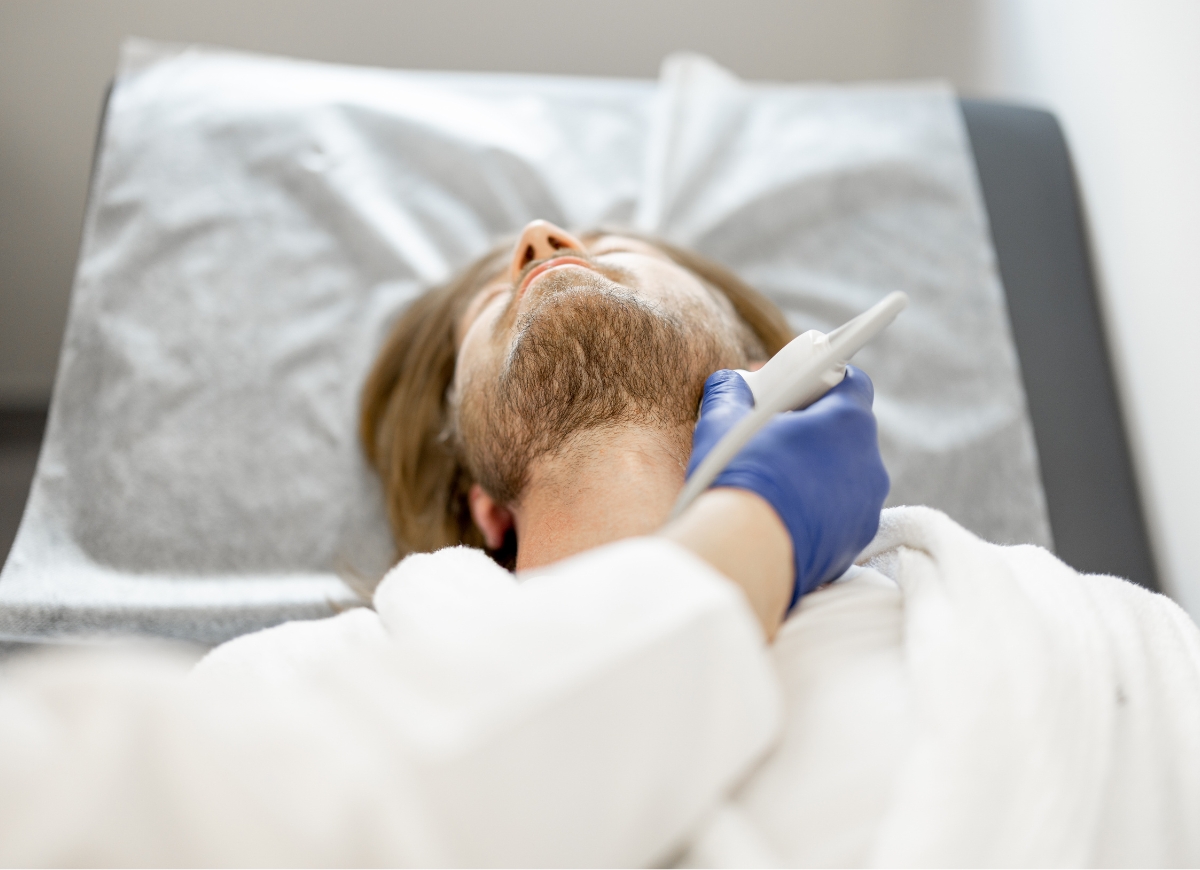
- Undergoing imaging tests like ultrasound or CT scans
- Fasting for several hours before the procedure
You’ll also have a detailed consultation to review your medical history and discuss any concerns.
What Happens During Surgery?
Carotid artery operation typically takes 1–2 hours.
Here’s a simplified breakdown:
- You’ll receive anesthesia (local or general)
- The surgeon makes a small incision in your neck
- Blood flow is temporarily rerouted
- Plaque is removed from the artery
- The artery is repaired and closed
Most patients are closely monitored throughout the process to ensure safety and precision.
Recovery After Carotid Artery Surgery
Recovery is usually quicker than many people expect.
What to Expect Immediately After
- A short hospital stay (often 1–2 days)
- Monitoring of blood pressure and neurological function
- Mild discomfort or swelling at the incision site
At-Home Recovery Tips
For a smooth recovery, follow these simple steps:
- Avoid heavy lifting for a few weeks
- Keep the incision area clean and dry
- Take prescribed medications as directed
- Attend all follow-up appointments
Most people can return to normal activities within 2–3 weeks.
Long-Term Results and Benefits
The biggest benefit of carotid artery operation is stroke prevention.
Patients often experience:
- Improved blood flow to the brain
- Reduced risk of future strokes
- Better overall vascular health
However, surgery is not a cure-all. Long-term success depends on maintaining a healthy lifestyle.
Lifestyle Changes After Surgery
To protect your arteries and prevent recurrence, consider these changes:
1. Eat a Heart-Healthy Diet
Focus on fruits, vegetables, lean proteins, and whole grains.
2. Stay Physically Active
Even light daily exercise can improve circulation.
3. Quit Smoking
Smoking significantly increases the risk of artery disease.
4. Manage Chronic Conditions
Keep blood pressure, cholesterol, and diabetes under control.
These steps can make a significant difference in your long-term health.
When to Seek Medical Help
After surgery, it’s important to watch for any unusual symptoms.
Contact your doctor immediately if you experience:
- Sudden weakness or numbness
- Difficulty speaking
- Severe headache
- Chest pain or shortness of breath
Early intervention can prevent serious complications.
Is Carotid Artery Surgery Right for You?
The decision to undergo carotid artery operation is highly personal and depends on several factors:
- Severity of artery blockage
- Overall health condition
- History of stroke or symptoms
A thorough evaluation by a vascular specialist is essential.
Clinics like Mission Surgical Clinic focus on personalized care helping patients understand their options and choose the safest path forward.
Final Thoughts
Carotid artery surgery is a proven, life-saving procedure for patients at high risk of stroke. While it may seem overwhelming at first, understanding the process can ease concerns and empower you to make informed decisions.
If you or a loved one has been diagnosed with carotid artery disease, don’t wait. Early consultation and proper care can make all the difference.
Take the next step speak with a qualified specialist and explore whether carotid artery operation is the right solution for you.
Frequently Asked Questions
- What is carotid artery surgery and why is it done?
Carotid artery surgery is a procedure that removes plaque buildup from the carotid arteries to restore proper blood flow to the brain. It is mainly performed to reduce the risk of stroke in patients with significant artery narrowing.
- How long does it take to recover from carotid artery operation?
Most patients recover within 2 to 3 weeks after a carotid artery operation. While hospital stays are usually short (1–2 days), full recovery depends on overall health and following post-surgery care instructions.
- Is the carotid artery operation risky?
Like any surgical procedure, a carotid artery operation carries some risks, including stroke, infection, or bleeding. However, when performed by experienced specialists, the procedure is generally safe and highly effective.
- Who is a good candidate for a carotid artery operation?
Patients with severe carotid artery blockage (typically 70% or more), a history of stroke or TIA, or symptoms like weakness or vision problems are often good candidates for a carotid artery operation.
- Can carotid artery blockage come back after surgery?
Yes, carotid artery blockage can return over time, especially without healthy lifestyle changes. Maintaining a balanced diet, regular exercise, and managing conditions like high blood pressure can help prevent recurrence.
Related posts


