

Hyperbaric Oxygen Therapy Near You: Benefits for Wound Healing & Recovery
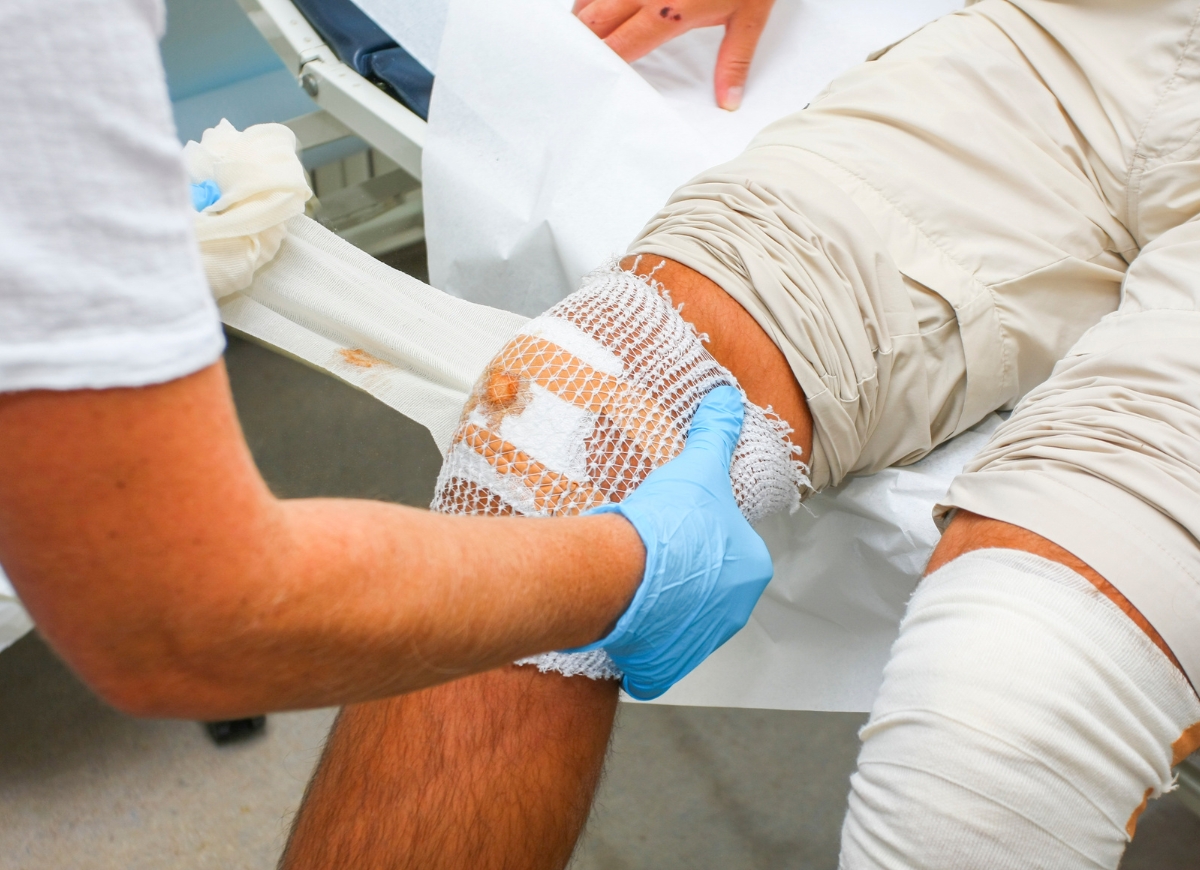
Wound Care Clinic Near Me: When to Go and How Specialized Care Helps Healing
A wound that looks small on day one can become a bigger problem if it stops healing, gets infected, or is linked to poor circulation. That is why searching for a wound care clinic near me is often the right next step when home care is not enough. At Mission Surgical Clinic, wound care is part of a broader surgical and vascular approach, with advanced treatments that include debridement, skin grafts, arterial revascularization, and on-site hyperbaric oxygen therapy in Riverside and Corona.
Many wounds heal with basic first aid, but some need a more specialized plan. If a wound is slow to close, keeps draining, becomes more painful, or shows signs of infection, it is time to get it checked by a clinician who can look beyond the surface and identify the reason healing has stalled. Wound care centers are designed to examine the wound, check blood flow, determine why it is not healing, and create a treatment plan that supports recovery and lowers the risk of complications.
When a wound needs more than home care
Not every cut or scrape requires specialist treatment, but certain warning signs should never be ignored. Redness, increased pain, pus, swelling, fever, chills, black edges around the wound, or bleeding that will not stop are all reasons to seek medical care. A wound that has reopened, looks darker, or does not improve after a reasonable period also deserves attention.
For people with diabetes, the threshold should be even lower. The CDC notes that diabetes can damage nerves and reduce blood flow, making it easier to miss a problem and harder for a wound to heal. A sore, blister, or ulcer that is not healing, especially on the foot, should be evaluated promptly because early treatment can reduce the risk of serious infection and amputation.
Common signs that it is time to go
A wound care visit is worth considering when you notice any of the following:
- The wound is not closing or seems to be getting larger.
- Drainage is increasing or smells bad.
- The area is red, warm, swollen, or more painful.
- You have diabetes, poor circulation, or a wound on the foot or leg.
Why some wounds heal slowly
Slow healing is not always about the wound itself. It can be tied to conditions such as diabetes, poor circulation from artery or vein disease, nerve damage, poor nutrition, smoking, being inactive, or even a foreign object left in the wound. Some non-healing wounds may take months to heal, and some never fully close without extra care.
That is where a specialized wound care team makes a difference. Instead of simply covering the wound, the team looks at the full picture: blood flow, tissue damage, infection risk, and the underlying reason the wound stalled. This is especially important when the wound is related to diabetes, venous disease, or arterial disease.
How specialized wound care helps healing
A wound care clinic does more than change dressings. The goal is to remove barriers to healing, protect healthy tissue, and prevent the wound from turning into a larger medical problem. MedlinePlus notes that wound care teams may clean the wound, apply dressings that keep the wound moist, remove dead tissue, and use treatments such as compression therapy, negative pressure therapy, skin substitutes, and skin grafts.
At Mission Surgical Clinic, that approach is reinforced by vascular expertise. The clinic’s wound care service includes advanced treatment options such as debridement, skin grafts, arterial revascularization, and hyperbaric oxygen therapy, with care offered in Riverside and Corona.
Debridement: clearing the way for new tissue
Dead or infected tissue can slow healing and increase infection risk. Debridement removes that tissue so the wound bed can support healthy repair. According to MedlinePlus, debridement may be done surgically or with other methods, and it is often part of the standard wound-healing process.
This step can sound simple, but it matters. A wound cannot reliably heal if unhealthy tissue is sitting on top of it and blocking the repair process. Once the wound is cleaned, the provider can choose the right dressing and next treatment based on how the tissue responds.
Hyperbaric oxygen therapy: extra oxygen where it is needed
Oxygen plays a major role in healing. MedlinePlus explains that hyperbaric oxygen therapy places the patient in a pressurized chamber so the blood can carry more oxygen to tissues, and that it can help some wounds heal faster. Mission Surgical Clinic offers on-site hyperbaric oxygen therapy as part of its wound-healing program.
This treatment is not for every wound, but it can be helpful for selected hard-to-heal cases, especially when oxygen delivery is part of the problem. CMS also describes hyperbaric oxygen therapy as an adjunctive treatment used for refractory wounds, among other conditions.
Why blood flow matters so much
If blood cannot reach the wound well, healing slows down. That is why wound care centers check blood flow, and why vascular care is such an important part of treatment for many chronic wounds. MedlinePlus specifically says the wound team should examine the wound, check blood flow around it, determine why it is not healing, and build a treatment plan around those findings.
Mission Surgical Clinic’s wound care program is built with that vascular connection in mind. The clinic notes that its surgeons specialize in wound care, vascular issues, and advanced therapies, which can be especially useful when a wound is tied to poor circulation or a complex vascular condition.
What to do before your appointment
While waiting to be seen, keep the wound as clean and protected as you can. If the wound is on the foot, the CDC recommends washing hands, controlling bleeding with pressure, rinsing with clean water, drying gently, covering with a new bandage, and watching closely for signs of infection. If the wound came from an animal bite, dirty puncture, or contains glass, metal, or other debris you cannot remove, medical attention is needed sooner.
It is also smart to pay attention to the rest of your health. Smoking can slow healing, diabetes can complicate recovery, and nutrition matters. If a wound is not improving, do not keep trying the same home routine for too long. A professional evaluation can save time, reduce risk, and prevent the wound from getting worse.
When Mission Surgical Clinic may be the right next step
If you are looking for a wound care clinic near me in Riverside or Corona, Mission Surgical Clinic offers advanced wound care led by board-certified vascular surgeons, along with hyperbaric oxygen therapy and other healing-focused treatments. The clinic also accepts major insurance, including IEHP, and provides Spanish-speaking support.
For patients dealing with a non-healing diabetic wound, a wound after surgery, or a leg or foot wound linked to circulation problems, a specialized clinic can help move care in the right direction. The earlier the wound is assessed, the better the chances of controlling infection, supporting tissue repair, and preventing bigger complications.
Final thoughts
A wound should not be something you keep “watching” forever. If it is red, painful, draining, reopening, or simply not healing the way it should, that is your signal to get help. Specialized wound care can identify the reason healing has slowed and match the treatment to the cause, whether that means debridement, better blood-flow support, a graft, or hyperbaric oxygen therapy.
For practical next steps, Mission Surgical Clinic makes it easy to move from concern to care. If you are nearby in Riverside or Corona, calling the clinic to discuss your wound and insurance coverage is a sensible first move.
FAQs
- When should I search for a wound care clinic near me?
You should look for a wound care clinic near me if your wound hasn’t healed within 1–2 weeks, shows signs of infection, or becomes more painful. People with diabetes or poor circulation should seek care even sooner.
- What types of wounds require specialized care?
Chronic wounds such as diabetic foot ulcers, pressure sores, surgical wounds that reopen, and wounds caused by poor circulation often require treatment at a wound care clinic.
- What treatments are offered at a wound care clinic?
A wound care clinic may provide advanced treatments like debridement, specialized dressings, skin grafts, compression therapy, and hyperbaric oxygen therapy depending on the wound type.
- How long does it take for a chronic wound to heal?
Healing time varies based on the wound’s severity, location, and your overall health. With proper care from a wound care clinic, healing can be significantly improved and complications reduced.
- Can I treat a non-healing wound at home?
Minor wounds can be treated at home, but if a wound is not improving, keeps reopening, or shows signs of infection, it’s important to visit a wound care clinic near me for professional evaluation and treatment.
Related posts


