
Leg Pain from Poor Circulation: Causes, Treatments, and When to See a Specialist
If you’ve searched for varicose vein treatment near me, chances are you’re dealing with more than a cosmetic concern. Varicose veins can cause aching, heaviness, swelling, and discomfort that interfere with daily life. For many people, they’re also a sign of underlying vein disease that deserves proper medical attention.
Modern vein care has come a long way. Today, effective, minimally invasive treatments can relieve symptoms, improve circulation, and restore confidence, often without surgery or long recovery times. This guide explains your treatment options, typical costs, and what to realistically expect before, during, and after care, with a focus on patient-centered treatment at Mission Surgical Clinic.
Understanding Varicose Veins and Why They Develop
Varicose veins occur when vein valves weaken or fail. Instead of blood flowing smoothly back to the heart, it pools in the veins, causing them to stretch, twist, and become visible under the skin.
They most commonly appear in the legs because gravity makes blood flow more challenging there.
Common Causes and Risk Factors
Several factors increase the likelihood of developing varicose veins:
- Family history of vein disease
- Prolonged standing or sitting
- Pregnancy and hormonal changes
- Aging and reduced vein elasticity
- Obesity, which increases pressure on leg veins
While some people notice only mild changes at first, others experience worsening symptoms over time.
When Varicose Veins Need Medical Treatment
Not all varicose veins require immediate intervention. However, treatment becomes important when symptoms progress or complications arise.
Symptoms That Shouldn’t Be Ignored
Seek professional evaluation if you experience:
- Persistent leg pain, heaviness, or burning
- Swelling in the ankles or calves
- Nighttime leg cramps or restlessness
- Skin discoloration or thickening near veins
- Slow-healing sores or ulcers
Early diagnosis can prevent long-term complications and improve treatment outcomes.
Varicose Vein Treatment Near Me: Modern Options Explained
When people search for varicose vein treatment near me, they’re often relieved to learn that most procedures today are minimally invasive and performed on an outpatient basis.
Treatment plans are customized based on vein size, location, symptoms, and overall health.
Conservative and Non-Invasive Approaches
Some patients benefit from non-procedural care, especially in early stages.
Lifestyle and Compression Therapy
These approaches may help manage symptoms but don’t eliminate damaged veins:
- Compression stockings to support circulation
- Regular walking and low-impact exercise
- Leg elevation to reduce swelling
- Weight management and diet adjustments
While helpful, these methods are often combined with medical treatment for lasting relief.
Minimally Invasive Varicose Vein Treatments
Advances in vein care allow most patients to avoid traditional surgery.
Endovenous Laser Treatment (EVLT)
EVLT uses laser energy to close faulty veins from the inside.
What makes it effective:
- Performed under local anesthesia
- No large incisions
- Minimal downtime
- High long-term success rates
Blood naturally reroutes to healthier veins once the treated vein closes.
Radiofrequency Ablation (RFA)
RFA works similarly to EVLT but uses radiofrequency energy instead of laser heat.
Benefits include:
- Reduced discomfort during recovery
- Short procedure time
- Excellent cosmetic results
- Proven symptom relief
Both EVLT and RFA are widely used and supported by clinical evidence.
Sclerotherapy
Sclerotherapy is commonly used for smaller varicose veins and spider veins.
A medical solution is injected into the vein, causing it to collapse and gradually fade.
Best for:
- Mild to moderate vein issues
- Cosmetic and symptom improvement
- Patients seeking non-surgical treatment
Multiple sessions may be recommended depending on vein severity.
Ambulatory Phlebectomy
This technique removes surface veins through tiny skin openings.
Key advantages:
- Immediate removal of bulging veins
- Minimal scarring
- Performed under local anesthesia
- Quick return to daily activities
It’s often combined with EVLT or RFA for comprehensive results.
What to Expect During Your Vein Consultation
Choosing the right clinic for varicose vein treatment near me starts with a thorough evaluation.
Initial Assessment
Your visit typically includes:
- Review of symptoms and medical history
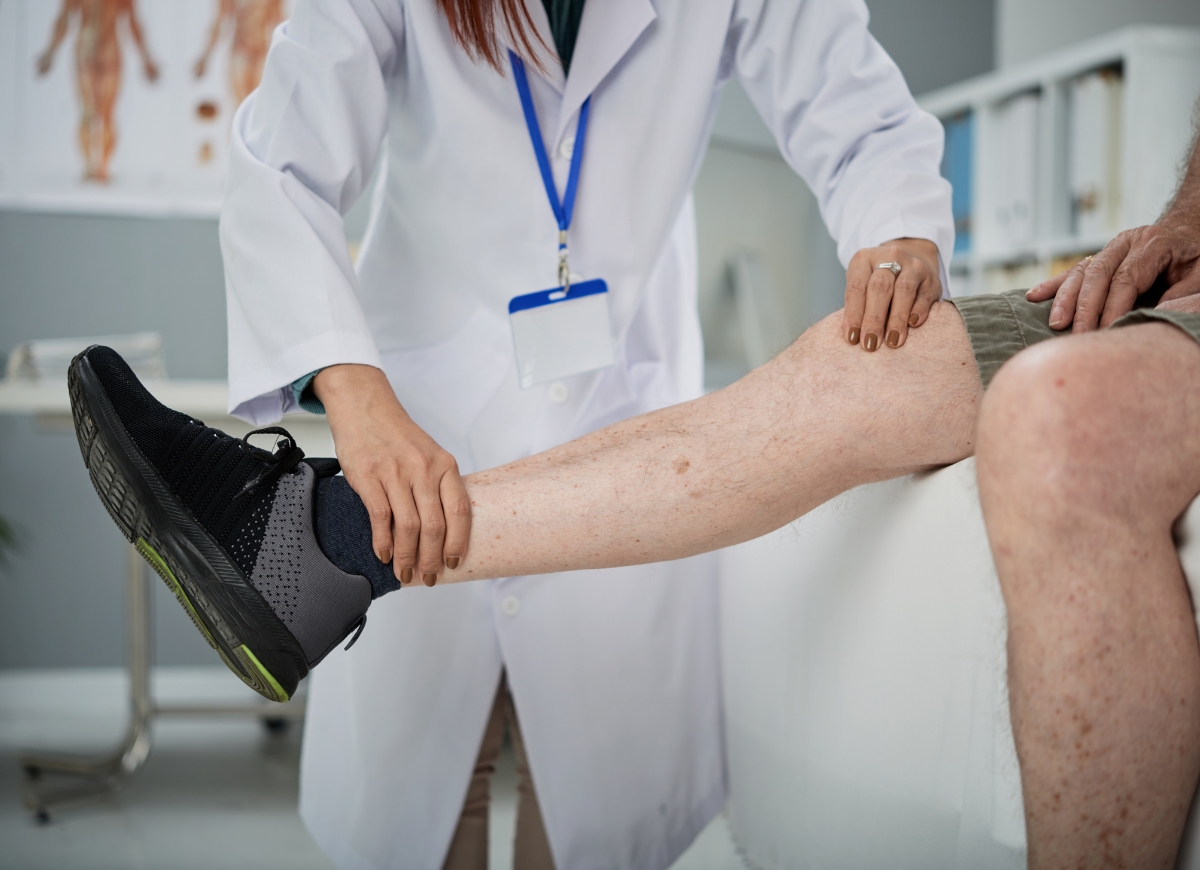
- Physical examination of leg veins
- Duplex ultrasound imaging to assess blood flow
This diagnostic step is essential for creating a precise, personalized treatment plan.
Varicose Vein Treatment Costs: What Affects Pricing?
Cost is one of the most common concerns for patients considering treatment.
Factors That Influence Cost
Pricing can vary based on:
- Type of procedure recommended
- Number of veins treated
- Severity of vein disease
- Diagnostic imaging requirements
- Insurance coverage eligibility
Many medically necessary treatments are covered by insurance when symptoms meet clinical criteria.
Insurance vs. Out-of-Pocket Costs
If varicose veins cause pain, swelling, or skin changes, insurance may cover treatment after conservative therapy trials.
Cosmetic-only treatments are usually self-pay.
Patients are encouraged to discuss coverage options clearly during consultation to avoid surprises.
Recovery and Aftercare: A Realistic Timeline
One reason people search for varicose vein treatment near me is convenience, and recovery is often faster than expected.
Typical Recovery Expectations
Most patients experience:
- Mild bruising or tenderness
- Temporary tightness along treated veins
- Ability to walk immediately after procedures
Compression stockings are usually worn for a short period to support healing.
When Results Become Visible
- Symptom relief often begins within days
- Vein appearance improves gradually over weeks
- Full results are typically visible within 2–3 months
Follow-up visits help ensure optimal healing and long-term success.
Long-Term Results and Vein Health Maintenance
Treating existing varicose veins doesn’t prevent new ones from forming.
How to Protect Your Results
Long-term vein health may include:
- Staying physically active
- Maintaining a healthy weight
- Avoiding prolonged sitting or standing
- Wearing compression when recommended
Routine monitoring helps catch early changes before symptoms worsen.
Safety, Effectiveness, and Patient Outcomes
Modern varicose vein treatments have high success rates when performed by experienced providers.
What Makes Treatment Safe Today
- Image-guided procedures
- Local anesthesia instead of general
- Minimal risk of complications
- Strong clinical evidence supporting outcomes
Choosing a specialized clinic with a patient-first approach plays a critical role in safety and satisfaction.
When to Schedule Your Evaluation
If leg discomfort, swelling, or visible veins are affecting your comfort or confidence, it may be time to explore professional care.
Searching for varicose vein treatment near me is often the first step toward relief, and an evaluation can provide clarity, reassurance, and a clear path forward.
A Patient-Focused Approach to Vein Care
At Mission Surgical Clinic, vein treatment is guided by medical accuracy, transparency, and individualized care. Every recommendation is based on diagnostic findings and patient goals, not one-size-fits-all solutions.
If you’re ready to understand your options, a professional consultation can help you make informed decisions about your vein health comfortably and confidently.
Final Takeaway
Varicose veins are more than a cosmetic issue. With today’s minimally invasive treatments, effective relief is achievable with minimal disruption to daily life.
If you’ve been searching for varicose vein treatment near me, understanding your options, costs, and expectations is the key to choosing care that truly supports your health and lifestyle.
Frequently Asked Questions (FAQs)
- How do I know if I need medical varicose vein treatment?
If your varicose veins cause pain, heaviness, swelling, skin discoloration, or interfere with daily activities, medical treatment is often recommended. A professional evaluation with ultrasound imaging confirms whether treatment is necessary.
- Is varicose vein treatment painful?
Most modern treatments are minimally invasive and involve little discomfort. Local anesthesia is typically used, and patients describe the sensation as mild pressure or warmth rather than pain.
- How long does it take to recover after varicose vein treatment?
Recovery is usually quick. Many patients return to normal activities the same day or within 24–48 hours. Light walking is encouraged, while strenuous exercise may be limited for a short time.
- Does insurance cover varicose vein treatment?
In many cases, yes. If varicose veins cause medical symptoms like pain, swelling, or skin changes, insurance may cover treatment. Cosmetic-only procedures are generally not covered.
- Will varicose veins come back after treatment?
Treated veins typically do not return. However, new varicose veins can develop over time due to genetics, lifestyle, or aging. Ongoing vein care and follow-up visits help maintain long-term results.
Related posts


